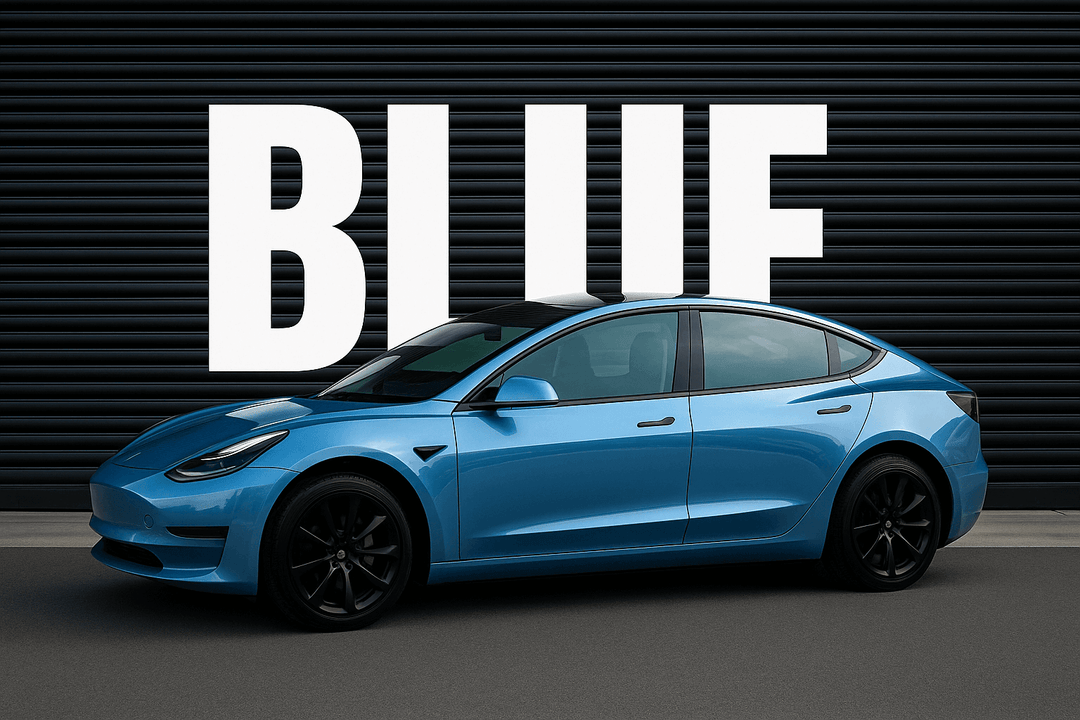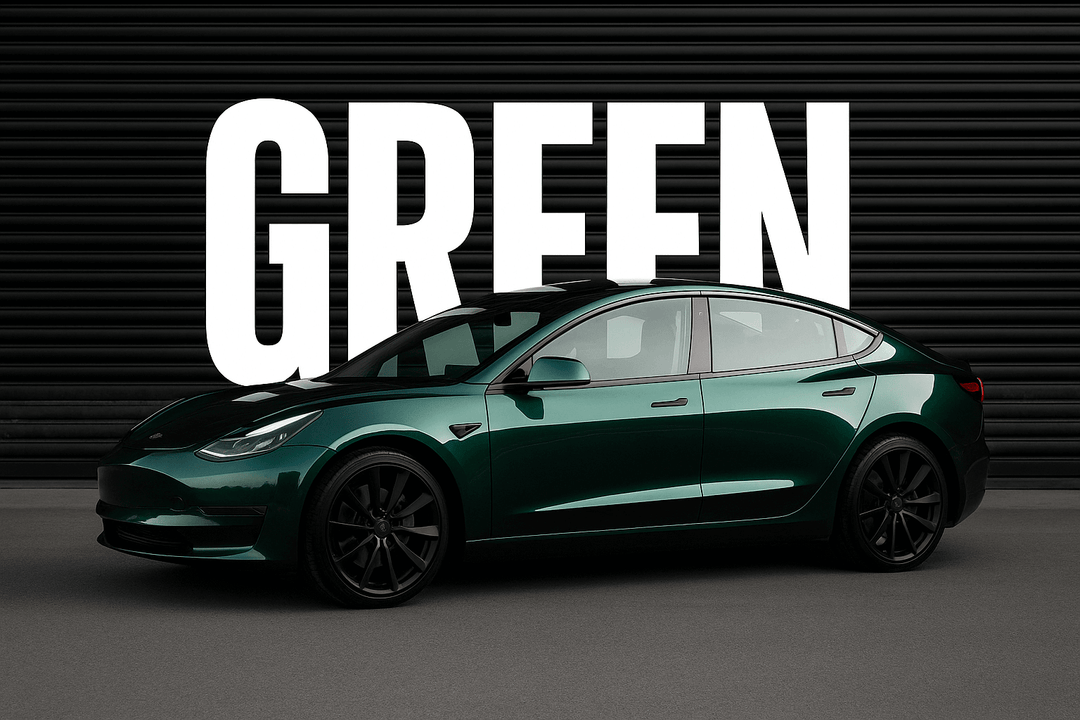

Best Car Wrap Colors for 2026
When you’re choosing the best car wrap colors 2026, you’re not just picking something that looks good today. You’re choosing a color that will stay with your vehicle for years.
As automotive design continues to evolve, car wrap color trends in 2026 are shifting away from loud, high-contrast finishes and toward depth, balance, and long-term visual comfort. You may notice more satin surfaces, warmer neutrals, nature-inspired greens, and refined metallic tones appearing across European and North American roads. These colors feel calmer, more intentional, and easier to live with over time.
Unlike factory paint, car wraps give you the freedom to respond to these changes immediately. You’re no longer limited by slow OEM color cycles. Instead, you can choose a finish and color that reflects how you actually use your car—whether it’s a daily driver, a weekend performance build, or a long-term investment you plan to keep.
This guide breaks down the 10 best car wrap colors for 2026 based on global automotive color research, material innovation, and real-world ownership trends. Rather than chasing short-lived looks, each color on this list is selected to help you create a vehicle that still feels right long after the trend cycle moves on.
The 10 Best Car Wrap Colors for 2026
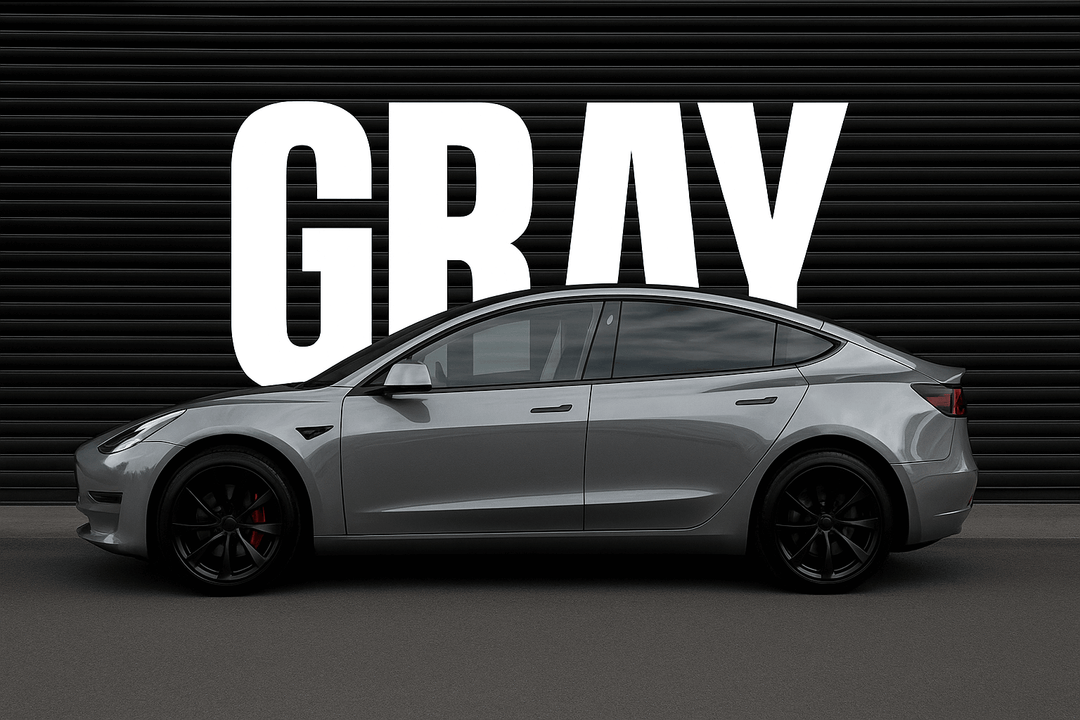
1. Satin Cement Gray
If you’re looking for a color that defines modern automotive taste in 2026, Satin Cement Gray sits at the top of the list.
This shade represents the evolution of gray rather than a completely new color. After years of cooler, industrial grays dominating the market, cement gray introduces a warmer, more human undertone. When paired with a satin car wrap, the result feels refined, intentional, and noticeably more premium than traditional gloss or matte finishes.
Instead of drawing attention through contrast, a cement gray wrap stands out through balance. It absorbs light softly, reduces harsh reflections, and gives your vehicle a calm, architectural presence that feels just as appropriate in an urban environment as it does on the highway.

Why Satin Cement Gray Works So Well in 2026
The appeal of a cement gray wrap comes from how it aligns with current design priorities. As car wrap color trends move toward emotional comfort and long-term usability, this color delivers both.
Satin cement gray avoids the aggressiveness of pure matte while eliminating the mirror-like reflections of high gloss. The finish enhances surface depth and body lines without exaggeration, making it ideal if you want your car to look modern without appearing overstyled.
This color also ages exceptionally well. Even after years of daily driving, satin cement gray remains visually stable and resistant to trend fatigue, which is why it’s increasingly favored for Color PPF applications.
Best Vehicles for Satin Cement Gray
You’ll find this color works especially well if you drive:
-
European sedans and wagons
-
Modern EVs with clean body lines
-
Performance-oriented daily drivers
-
Luxury vehicles where subtlety matters more than flash
On these vehicles, a satin car wrap in cement gray enhances proportions and design intent rather than overpowering them.
2. Pearl White with Depth
White has always been a safe choice—but in 2026, it’s no longer a simple one.
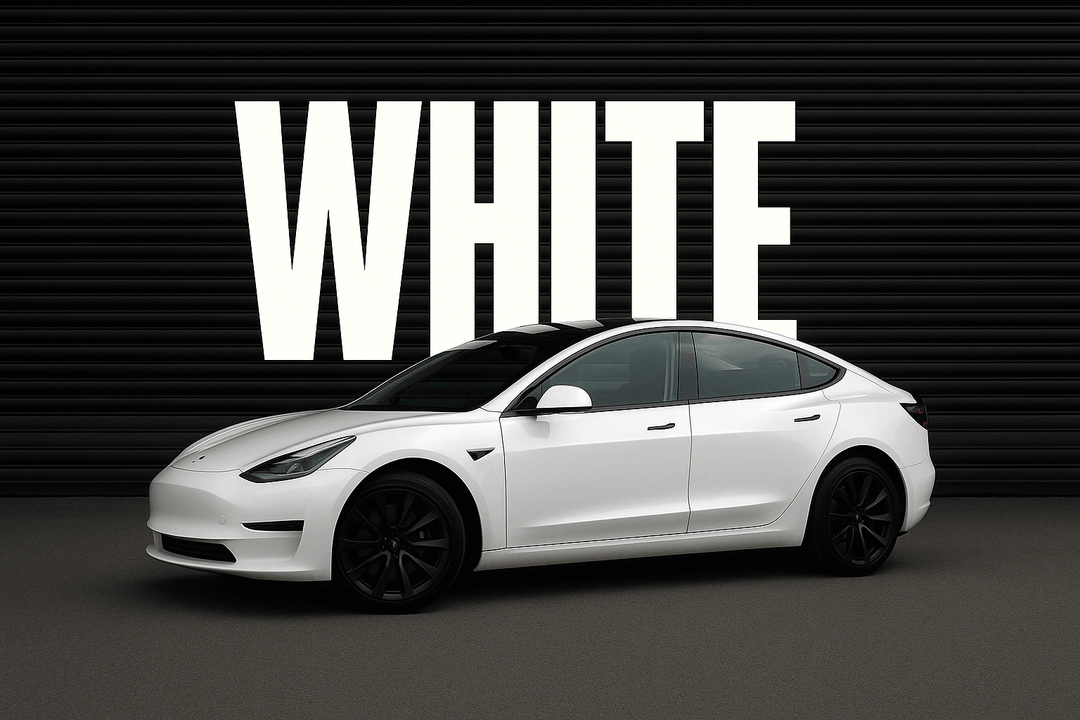
If you’re considering a white wrap this year, the shift is clear: flat, solid whites are giving way to pearl white with depth. This evolution transforms white from a purely functional color into a refined design statement that feels modern, calm, and intentionally premium.
A pearl white car wrap introduces subtle layers beneath the surface. Instead of reflecting light aggressively, it diffuses it. You’ll notice a softer glow, gentle highlights along body lines, and a sense of visual cleanliness that never feels sterile. This is exactly why pearl white continues to dominate white car wrap 2026 choices across luxury and EV segments.

Why Pearl White Feels More Premium in 2026
The strength of pearl white lies in its restraint.
As car wrap color trends 2026 move away from high-contrast finishes, pearl white offers depth without drama. Micro-metallic or pearlescent particles add dimension, allowing the surface to respond naturally to changing light conditions. In direct sunlight, the finish feels bright and airy. In shade or low light, it becomes smooth and composed.
When paired with a satin or soft-gloss finish, pearl white avoids the clinical look associated with traditional gloss white. Instead, it delivers a warm, breathable appearance that aligns with the broader “quiet luxury” movement shaping automotive design.
Best Vehicles for Pearl White with Depth
This color works especially well if you drive:
-
Luxury SUVs and crossovers
-
Premium EVs with sculpted surfaces
-
Modern sedans where surface flow matters
-
Vehicles you want to keep visually timeless
On these platforms, pearl white enhances proportions rather than competing with them. It allows design details to emerge naturally, without relying on contrast or saturation.
3. Sage Green
If there’s one color that clearly signals where automotive design is heading in 2026, it’s Sage Green.
This is not a loud or attention-seeking green. Sage green sits in a calm, balanced space between gray and traditional green tones. When you choose a sage green car wrap, you’re opting for a color that feels grounded, modern, and emotionally stable—qualities that are increasingly valued as vehicles become part of everyday living rather than pure performance statements.
Unlike brighter greens that can feel trend-driven or seasonal, sage green feels intentional. It connects visually to nature without looking rugged or off-road specific, making it one of the most versatile green car wrap options for 2026.

Why Sage Green Is Rising So Quickly
The popularity of sage green is closely tied to broader design shifts toward biophilic aesthetics. As car wrap color trends 2026 move away from industrial coldness, colors inspired by natural environments offer a sense of calm and reassurance.
Sage green performs especially well in satin finishes. A satin sage green wrap softens reflections, enhances surface flow, and gives your vehicle a subtle architectural quality. The color changes gently with light rather than dramatically, which helps it feel consistent and easy to live with across different environments.
This makes sage green particularly appealing if you want a color that feels distinctive without demanding attention.
Best Vehicles for Sage Green Wraps
Sage green works best on vehicles where balance and proportion matter:
-
SUVs and crossovers
-
Lifestyle-oriented EVs
-
Modern wagons and utility-focused builds
-
Daily drivers with clean, simple body lines
On these vehicles, sage green enhances form without overpowering it. It pairs naturally with black trim, brushed metal accents, and minimalist wheel designs.
4. Deep Forest Green
If sage green represents calm and balance, Deep Forest Green represents confidence and depth.
This color moves green firmly into the luxury space. Deep forest green is darker, richer, and more composed, offering a sense of weight and permanence that lighter greens can’t deliver. When you choose this color, you’re signaling intention rather than experimentation.
A deep forest green wrap feels rooted and architectural. It carries a subtle authority without appearing aggressive, which is why it’s increasingly favored on premium vehicles where design maturity matters more than novelty.

Why Deep Forest Green Feels Luxurious in 2026
In 2026, the best car wrap color, luxury is no longer defined by brightness or contrast. It’s defined by restraint, material depth, and how a color behaves over time.
Deep forest green performs exceptionally well in satin and soft-gloss finishes. These finishes allow the color’s richness to come through while avoiding harsh reflections. Under sunlight, the surface reveals depth and subtle variation. In low light, it becomes calm and almost monochromatic, reinforcing its refined character.
This adaptability is key. Deep forest green looks intentional in nearly every environment, from city streets to open roads, making it a strong choice if you want a wrap that doesn’t feel situational.
Best Vehicles for Deep Forest Green Wraps
You’ll find this color works especially well on:
-
Executive SUVs and luxury crossovers
-
Performance sedans with clean proportions
-
High-end EVs with minimalist design language
-
Vehicles where presence matters more than visibility
On these platforms, deep forest green enhances body volume and surface continuity. It pairs naturally with satin black trim, dark wheels, and subtle metallic accents.
5. Midnight Blue
If you want a color that feels expressive without ever feeling risky, Midnight Blue is one of the strongest choices you can make in 2026.
Blue has long been the most widely accepted non-neutral color in automotive design, and midnight blue represents its most refined expression. It delivers depth, seriousness, and subtle emotion without the visual intensity of brighter blues. When applied as a wrap, midnight blue feels composed, confident, and unmistakably modern.
This is a color that doesn’t ask for attention. It earns it.

Why Midnight Blue Remains a Safe but Sophisticated Choice
As car wrap color continues to mature, the demand for colors that balance personality with longevity has grown. Midnight blue fits squarely into that space.
In satin or soft-gloss finishes, the color absorbs light in a controlled way, creating smooth transitions across body panels. Under daylight, it reveals layered depth. At night, especially under street lighting, it becomes darker and more minimal, reinforcing its understated appeal.
This adaptability makes midnight blue particularly effective if you want a wrap that performs well in both physical environments and digital content. It photographs cleanly, avoids color distortion, and maintains consistency across different lighting conditions.
Best Vehicles for Midnight Blue Wraps
Midnight blue works exceptionally well on:
-
Sport sedans and grand tourers
-
Performance-oriented EVs
-
Premium coupes with sculpted lines
-
Daily drivers that need to balance style and subtlety
On these vehicles, midnight blue highlights form and curvature without exaggeration. It pairs naturally with brushed metal details, satin black trim, and minimalist wheel designs.
6. Liquid Metal Silver
Silver has never truly disappeared—but in 2026, it returns with a completely different attitude.
Liquid Metal Silver redefines what silver means on a modern vehicle. Instead of the flat, high-glare finishes that once dominated OEM palettes, this interpretation focuses on fluidity, depth, and material realism. When you choose a liquid metal silver wrap, you’re not choosing a color that looks painted. You’re choosing a surface that feels formed.
This shift reflects a broader move away from decorative shine and toward architectural expression. Liquid metal silver doesn’t compete for attention. It quietly commands it through texture and motion.

Why Silver Feels Relevant Again in 2026
In recent years, silver lost ground as buyers associated it with older vehicle generations and fleet use. But car wrap color trends 2026 show that silver isn’t being abandoned—it’s being refined.
Liquid metal silver uses ultra-fine metallic particles and high alignment consistency to create a smooth, flowing appearance. Light doesn’t bounce sharply off the surface. Instead, it moves across it, emphasizing curves and transitions in a way traditional silver never could.
This makes liquid metal silver especially effective on modern EVs and minimalist vehicle designs, where surface continuity matters more than color contrast.
Best Vehicles for Liquid Metal Silver Wraps
You’ll find this finish works best on:
-
Modern electric vehicles with clean geometry
-
Tech-focused sedans and crossovers
-
Vehicles inspired by industrial or architectural design
-
Builds where material quality is part of the statement
On these platforms, liquid metal silver enhances form without distraction. It pairs naturally with dark trim, gloss black accents, and brushed aluminum details.
7. Satin Warm Beige
If there’s one color that captures the idea of quiet luxury in 2026, it’s Satin Warm Beige.
This is not a color chosen to impress at first glance. It’s a color you grow into. Warm beige sits between white, gray, and sand tones, offering a softness that feels intentional rather than conservative. When paired with a satin car wrap, it creates a surface that feels calm, confident, and distinctly premium.
Unlike colder neutrals, satin warm beige brings warmth without heaviness. It feels modern without leaning futuristic, and elegant without appearing formal. This balance is exactly why it has gained traction among luxury-focused wrap and Color PPF applications.

Why Warm Beige Defines Quiet Luxury in 2026
As car wrap color trends 2026 continue to move away from visual noise, warm beige answers a growing desire for comfort and restraint.
A satin finish is essential here. Satin warm beige softens highlights and minimizes glare, allowing the color to feel breathable rather than flat. The surface responds gently to light, revealing subtle tonal shifts instead of dramatic reflections. This makes the color feel natural in both urban and residential environments.
Warm beige also resists trend fatigue exceptionally well. It doesn’t rely on novelty to stay relevant, which makes it ideal if you value long-term visual satisfaction over short-term impact.
Best Vehicles for Satin Warm Beige Wraps
This color works especially well if you drive:
-
Luxury SUVs and crossovers
-
Executive sedans
-
Premium EVs with minimalist design
-
Vehicles intended for long-term ownership
On these vehicles, satin warm beige enhances proportions and surface flow. It pairs beautifully with satin black trim, bronze or dark silver wheels, and understated chrome details.
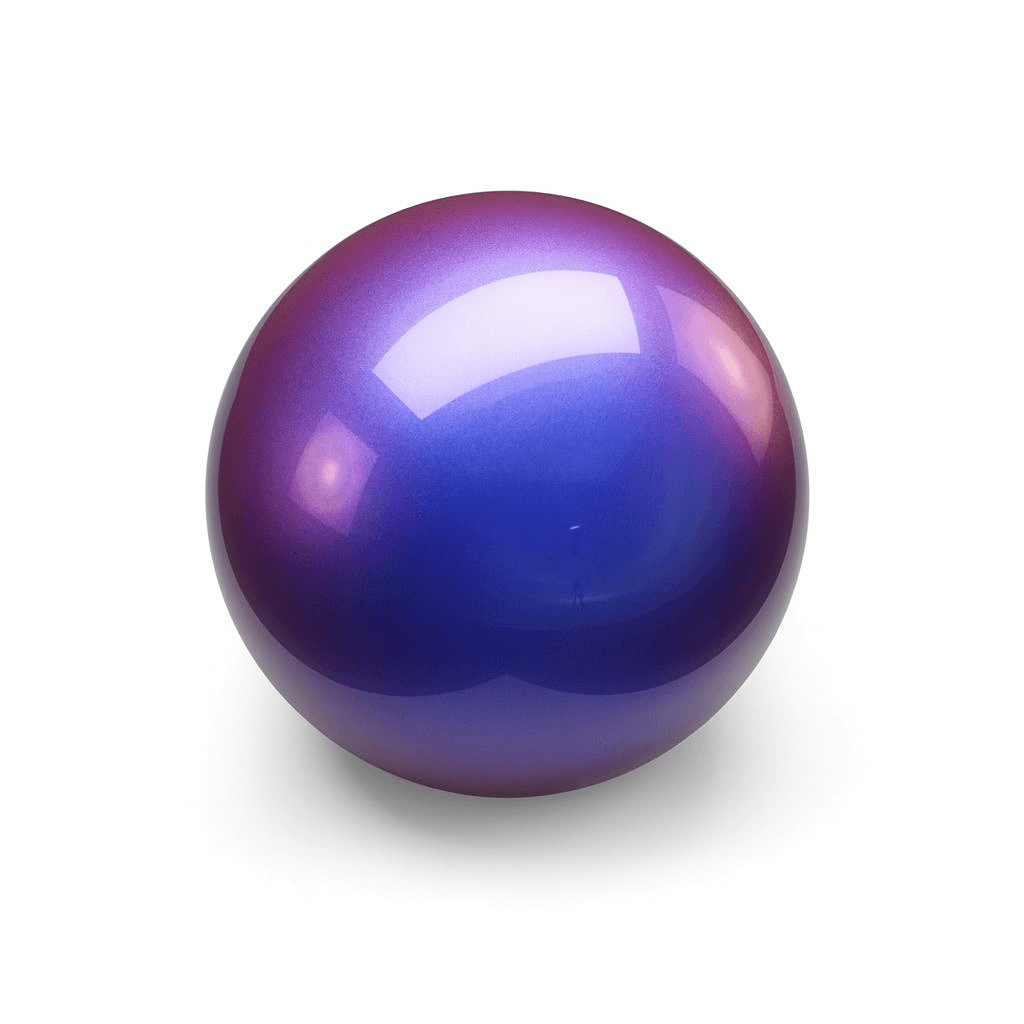
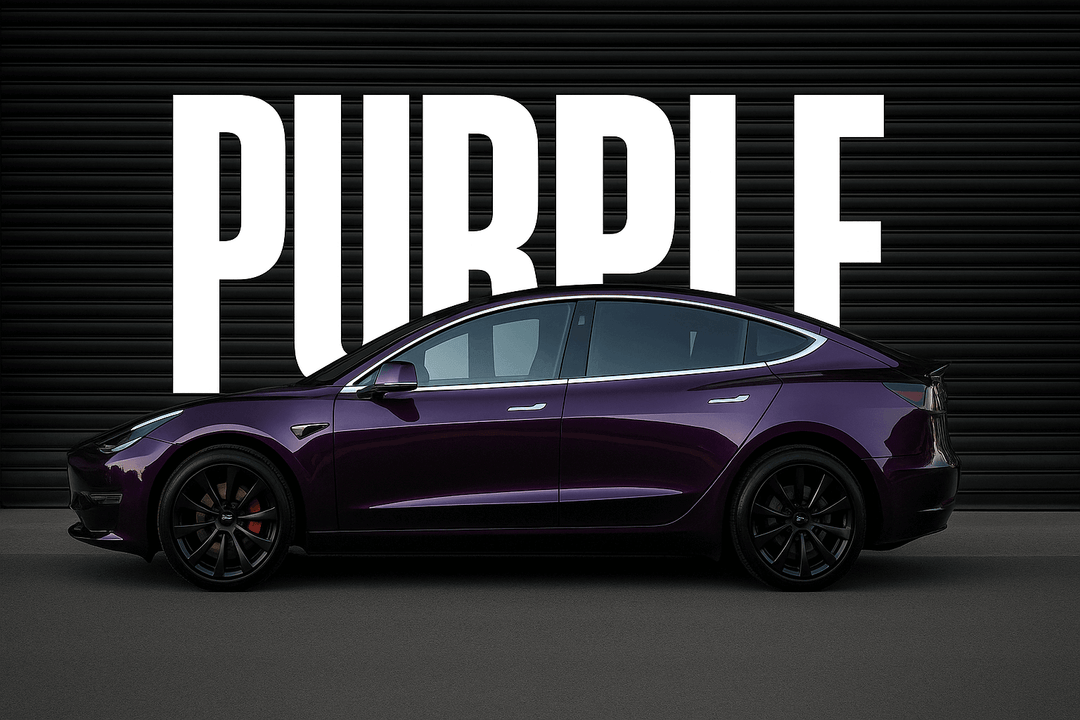
8. Midnight Purple (Low-Chroma)
If you’re drawn to something more expressive, but don’t want a color that feels loud or trend-driven, Midnight Purple offers a refined middle ground.
This isn’t the high-saturation purple often associated with show builds or short-term visual impact. Low-chroma midnight purple is deeper, darker, and more controlled. It carries a subtle sense of drama without overwhelming the vehicle, making it one of the most sophisticated non-neutral choices in the 2026 best car wrap color.
When done correctly, midnight purple feels intentional rather than experimental.

Why Midnight Purple Feels Mature in 2026
The appeal of midnight purple lies in its restraint.
Instead of relying on brightness, this color uses depth and tonal layering to create interest. In daylight, it may read as nearly black with a hint of color. Under evening light or artificial illumination, the purple undertone emerges softly, adding complexity without demanding attention.
This behavior aligns closely with the broader shift toward emotionally intelligent design. Midnight purple offers expression, but it does so quietly. It’s a color you notice more over time, not one that exhausts you after the first impression.
A satin or soft-gloss finish works best here, allowing the color to transition smoothly across surfaces and lighting conditions.
Best Vehicles for Midnight Purple Wraps
Midnight purple works especially well on:
-
Performance sedans and coupes
-
High-end EVs with clean surface language
-
Enthusiast builds that balance daily use and visual presence
-
Vehicles where subtle individuality matters
On these platforms, the color enhances body lines and curvature without overpowering them. It pairs naturally with dark trim, black wheels, and minimal exterior accents.
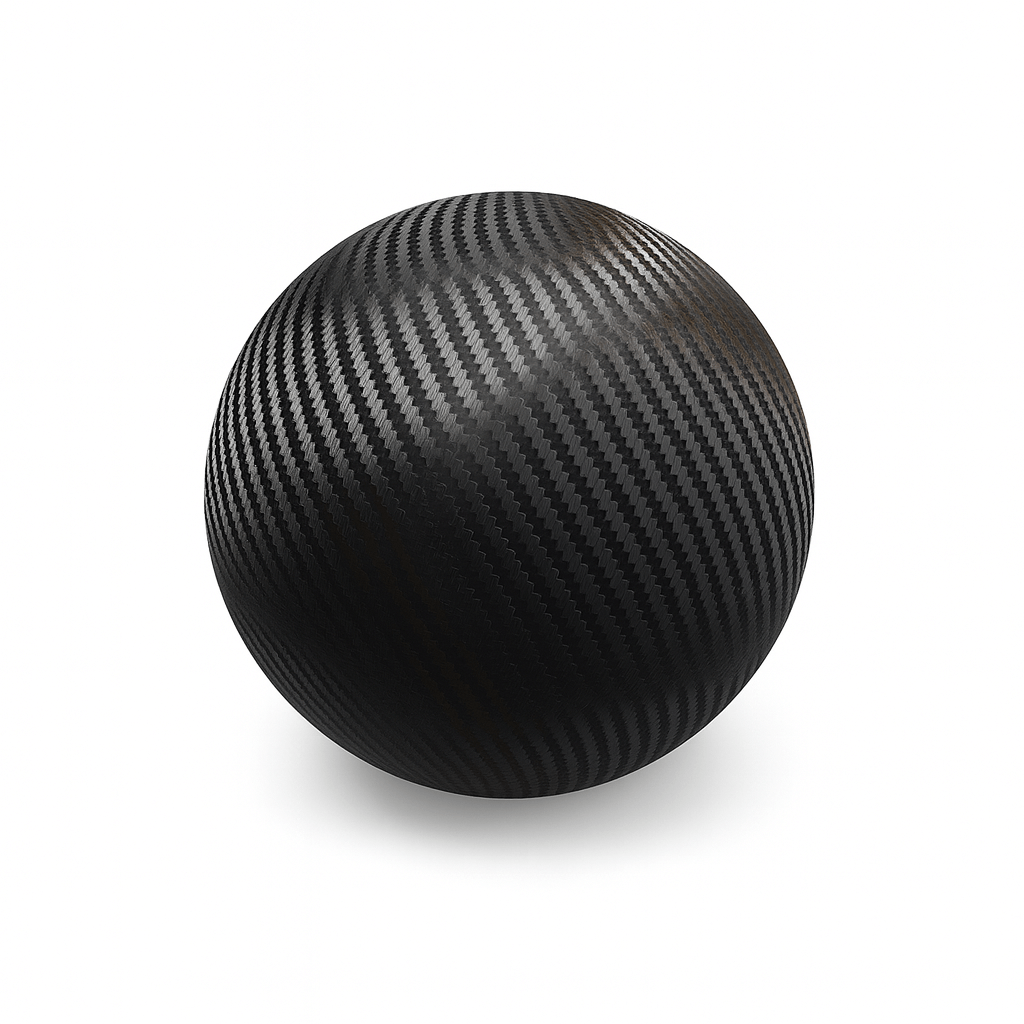
9. Forged Carbon Black
At this point in the list, color alone is no longer the main story. Forged Carbon Black represents a broader shift in how premium automotive surfaces are defined in 2026.
Unlike traditional gloss or matte black wraps, forged carbon black introduces texture as the primary design element. The irregular, marble-like carbon pattern replaces predictable finishes with something more organic, technical, and visually layered. When you choose forged carbon black, you’re not choosing a darker color. You’re choosing a material language.
This approach feels especially relevant as more vehicles adopt minimal body lines and simplified forms. Texture becomes the detail that gives those surfaces character.

Why Forged Carbon Black Signals Premium Design
Forged carbon originated in high-performance manufacturing, where function dictated form. Its random fiber structure communicates strength, engineering integrity, and exclusivity without relying on visual aggression.
In car wrap color trends 2026, this texture-driven aesthetic has moved beyond supercars and into the aftermarket. Advanced wrap and Color PPF technologies now allow forged carbon visuals to be applied with impressive depth and realism, without the cost or permanence of actual carbon components.
The result is a finish that feels technical but refined. It doesn’t shout performance. It suggests it.
Best Applications for Forged Carbon Black
Forged carbon black works best when applied selectively rather than as a full-vehicle wrap. You’ll see the strongest visual impact on:
-
Hoods and roof panels
-
Mirrors and aerodynamic components
-
Trunk lids or accent sections
-
Performance-focused builds
Used in these areas, forged carbon black adds contrast and material richness without overwhelming the overall design. It pairs naturally with satin grays, deep blues, and other restrained primary colors.
10. Satin Thermal Gray
If you’re looking for a wrap color that feels future-proof rather than trend-driven, Satin Thermal Gray is one of the smartest choices you can make in 2026.
This color sits at the intersection of gray, beige, and subtle earth tones. Unlike cooler industrial grays, thermal gray introduces warmth without tipping into brown or sand. The result is a neutral that feels balanced, calm, and quietly sophisticated—especially when applied as a satin finish.
Satin thermal gray doesn’t ask to be noticed. It rewards attention.
Why Satin Thermal Gray Feels Timeless in 2026
As car wrap color trends 2026 continue to favor emotional comfort and visual longevity, satin thermal gray aligns perfectly with those priorities.
The satin surface plays a crucial role here. It reduces glare, softens transitions, and allows the color to respond gently to light. Instead of sharp highlights, you get smooth gradients that emphasize body shape without exaggeration. This makes the vehicle feel cohesive and considered rather than styled for impact.
Thermal gray also resists trend fatigue better than most colors. It doesn’t rely on novelty, contrast, or saturation to stay relevant, which makes it ideal if you plan to keep your vehicle for several years.
Best Vehicles for Satin Thermal Gray Wraps
You’ll find satin thermal gray works especially well on:
-
Premium daily drivers
-
Luxury EVs and crossovers
-
Executive sedans
-
Vehicles designed for long-term ownership
On these platforms, the color enhances proportions and surface continuity. It pairs naturally with satin black trim, dark metallic wheels, and minimal exterior detailing.
Final Thoughts
Choosing a car wrap color in 2026 is no longer about chasing attention. It’s about choosing something you’ll still appreciate long after the initial excitement fades.
As you’ve seen throughout this guide, the best car wrap colors for 2026 share a common thread. They prioritize balance over contrast, depth over brightness, and material quality over novelty. Whether it’s the calm confidence of satin grays, the grounded presence of natural greens, or the refined complexity of liquid metallics, these colors are designed to work with your vehicle—not compete against it.
What matters most is how a color fits into your real ownership experience. How it behaves in different lighting. How it photographs. How it feels after months or years of daily driving. In 2026, the most successful wrap choices are the ones that support long-term satisfaction rather than short-term impact.
Wrap technology has evolved alongside color design. With satin finishes and Color Paint Protection Film becoming more accessible, you now can choose colors that deliver both visual refinement and functional protection. That combination allows you to personalize your vehicle without compromising its value or longevity.
Ultimately, the right wrap color is the one that feels intentional. Not because it follows a trend, but because it aligns with how you use your car and how you want it to age.
Frequently Asked Questions
Are satin car wraps more popular than gloss in 2026?
Yes. In 2026, satin finishes are becoming more popular than high-gloss wraps, especially in Europe and North America. Satin car wraps reduce glare, soften reflections, and add visual depth without looking aggressive. They also photograph more consistently and age better over time, which is why many of the best car wrap colors for 2026 are designed specifically for satin or soft-gloss finishes.
Is green really becoming a mainstream car wrap color?
Green is no longer a niche choice. Muted greens like sage green and deep forest green are now considered mainstream within car wrap color trends 2026. These tones are inspired by nature, feel emotionally balanced, and work well on SUVs, EVs, and daily drivers. Unlike brighter greens from previous years, today’s greens are designed for long-term ownership rather than short-term impact.
Are bold car wrap colors going out of style?
Bold colors aren’t disappearing, but they are evolving. In 2026, highly saturated or flashy colors are being replaced by deeper, more controlled expressions such as midnight blue or low-chroma midnight purple. These colors still offer personality, but in a more refined and mature way. The focus has shifted from standing out instantly to staying visually appealing over time.
Is Color PPF worth it for neutral wrap colors?
Yes, especially in 2026. Neutral colors like satin gray, pearl white, and warm beige benefit greatly from Color Paint Protection Film. Color PPF provides a smoother surface, better depth, self-healing properties, and long-term protection for factory paint. If you plan to keep your vehicle for several years, Color PPF turns a color choice into a long-term surface investment rather than a temporary aesthetic change.
Related Articles: