
2026 Automotive Color & Car Wrap Trends
For more than a decade, automotive color design has been defined by efficiency, precision, and restraint. Clean whites, deep blacks, cool grays, and sharply defined metallic finishes reflected an era shaped by rapid technological progress, electrification, and performance-driven narratives. Color became a visual language of control and engineering confidence.
By 2026, that design logic is changing.
Global automotive color trends are entering a new phase where emotional resonance, visual comfort, and human-centered experience matter as much as innovation itself. This shift is not abrupt. It is structural. It reflects broader cultural forces including climate anxiety, digital fatigue, geopolitical uncertainty, and a growing desire for stability and reassurance in everyday objects.
In this context, vehicle color is no longer expected to simply look advanced. It is expected to feel right.
Car wraps and paint protection films sit at the center of this transition. Unlike OEM paint programs, which evolve slowly, the aftermarket responds rapidly to emotional and cultural change. As a result, wrap design often becomes the first place where new color philosophies appear, long before they are widely adopted by mass production vehicles.
2026 marks a turning point because emotional intent has overtaken industrial minimalism as the primary driver of color choice.
Redefining Innovation in Automotive Color
Emotional Value, Sustainability, and Human-Centered Aesthetics
In earlier automotive design cycles, innovation was closely tied to visible technology. Sharper lines, colder hues, and high-contrast finishes communicated speed, intelligence, and digital precision. While these attributes remain relevant, they are no longer sufficient.
By 2026, innovation in color design is being redefined through three interconnected dimensions.
Emotional Value
Color is increasingly used to create calm, warmth, and familiarity. Soft neutrals, muted greens, warm grays, and layered whites reduce visual tension and offer psychological comfort. These tones feel less performative and more personal, aligning with how vehicles are now experienced as extensions of daily life rather than pure status symbols.
Sustainability as a Visual Language
Environmental responsibility is no longer communicated only through powertrains or materials. It is expressed visually. Earth-inspired tones, natural references, and restrained finishes signal ecological awareness without overt messaging. In the aftermarket, this aligns naturally with the rise of Color Paint Protection Film, which protects original paint and extends vehicle life, reinforcing sustainability through longevity rather than replacement.
Human-Centered Aesthetics
Design is moving away from extremes. Instead of maximal brightness or aggressive contrast, designers are prioritizing balance, softness, and depth. Satin and semi-gloss finishes replace harsh reflections. Colors respond gently to light, evolving subtly across environments rather than demanding constant attention.
Together, these changes mark a transition from color as a statement of technological dominance to color as a form of emotional intelligence.
Insights from BASF, PPG, and Global CMF Research
This paradigm shift is consistently reflected in global CMF research from leading automotive color authorities.
BASF Coatings’ 2025–2026 Automotive Color Trend Report highlights a move away from machine-driven cold aesthetics toward colors that “fill emotional gaps.” Warm grays, layered whites, muted violets, and grounded earth tones are positioned as tools for restoring continuity and reassurance in an increasingly fragmented world.
PPG’s color forecasts reinforce this direction by emphasizing nature-derived hues and complex neutrals with depth and restraint. Rather than pushing novelty through brightness alone, PPG identifies tonal variation, surface depth, and light interaction as the next frontier of automotive color innovation.
Across global CMF research, several consistent themes emerge:
-
Retreat from overly digital, high-contrast color schemes
-
Growing preference for warm, adaptive neutrals
-
Increased importance of surface finish in perceived quality
-
Color systems designed to evolve with light, environment, and usage context
For the aftermarket, this signals a fundamental repositioning. Car wraps are no longer competing with OEM paint by being louder. They are competing by aligning more closely with contemporary emotional expectations.
In 2026, the most successful wrap colors will not be those that shout the loudest, but those that feel the most intentional, balanced, and human.
Global OEM Vehicle Color Baseline
Stability on the Surface, Evolution Beneath
Despite rapid advances in vehicle technology, the global OEM color landscape remains remarkably stable. White, black, and gray continue to dominate mass-produced vehicles across all major markets.
This stability, however, does not imply stagnation.
By 2026, while color categories remain consistent, their formulation, surface treatment, and visual behavior have changed significantly. This distinction is critical to understanding why the aftermarket wrap and Color PPF market is expanding even as OEM palettes appear conservative.
Market Share and Structural Logic
According to long-term global studies from coatings leaders such as Axalta, white remains the most prevalent OEM color worldwide, followed by black and gray. Together, these colors account for more than two-thirds of annual vehicle production.
Their dominance is driven by clear economic logic:
-
Strong resale value
-
Broad cross-segment compatibility
-
Lower perceived risk for manufacturers and buyers
Neutrals function as a universal platform. They minimize complexity and maximize acceptance. Yet focusing only on volume obscures the real evolution, which lies not in which colors are chosen, but in how those colors behave on the surface.
The Evolution of Neutral Colors
White
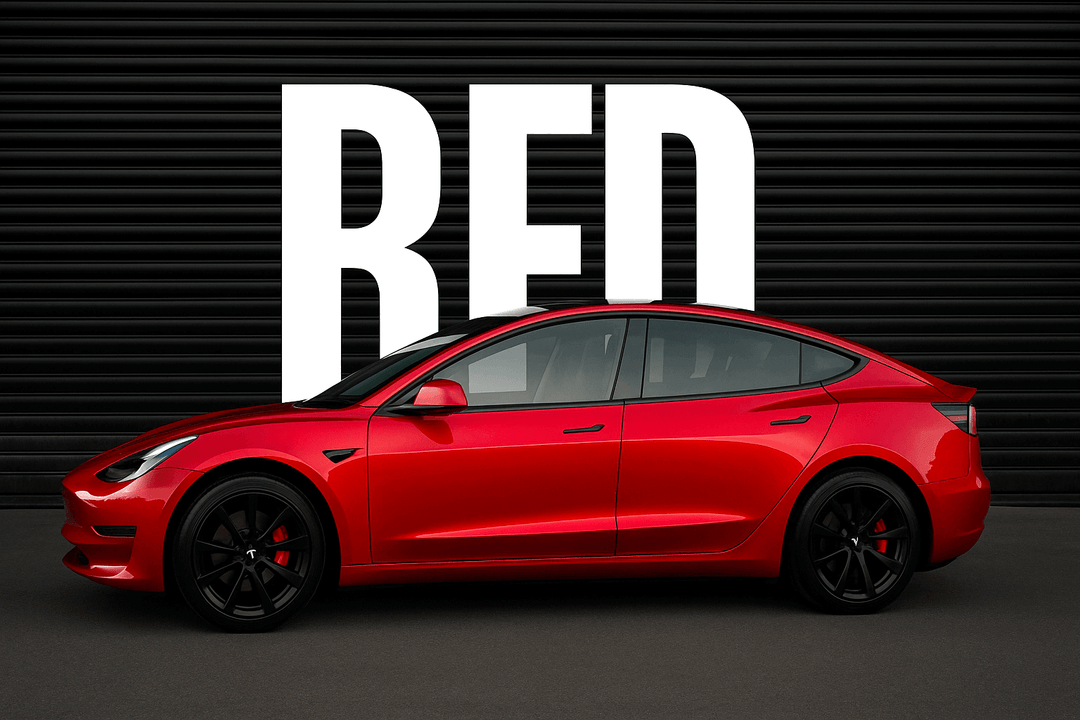
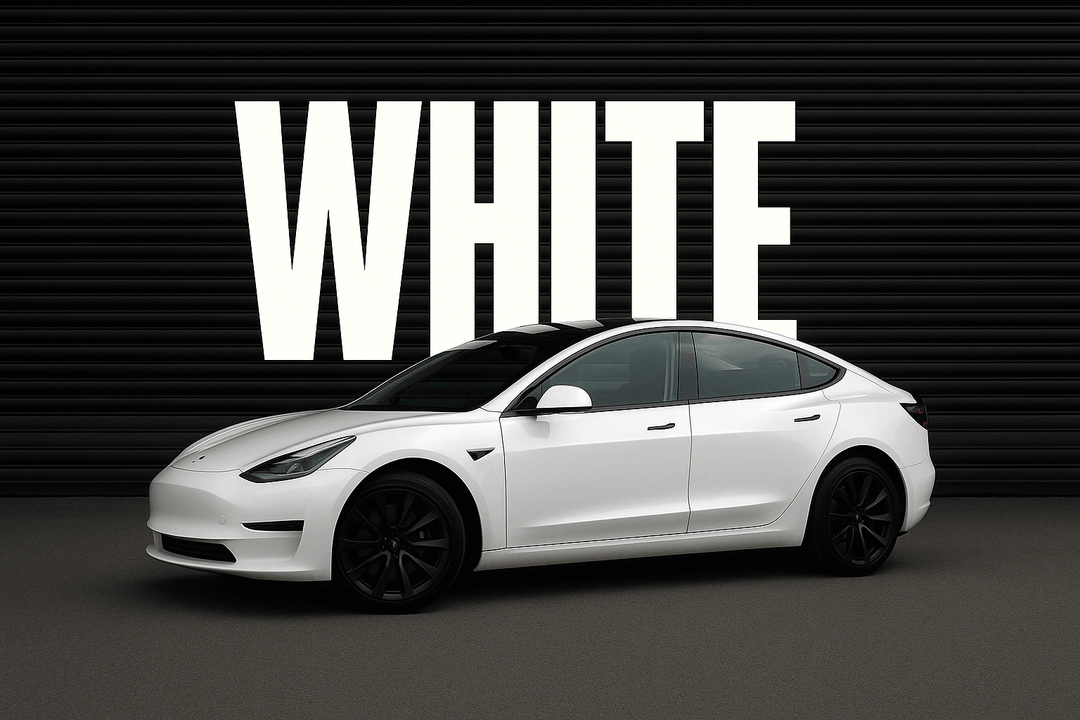
Solid whites are increasingly replaced by pearl and subtly metallic whites designed to improve UV resistance, thermal performance, and perceived quality. These finishes introduce depth without visual excess, making them especially popular in EV and premium segments.
Black
Pure jet black is giving way to layered blacks with fine metallic particles or controlled reflective depth. The objective is no longer maximum contrast, but dimensional richness that remains understated.
Gray
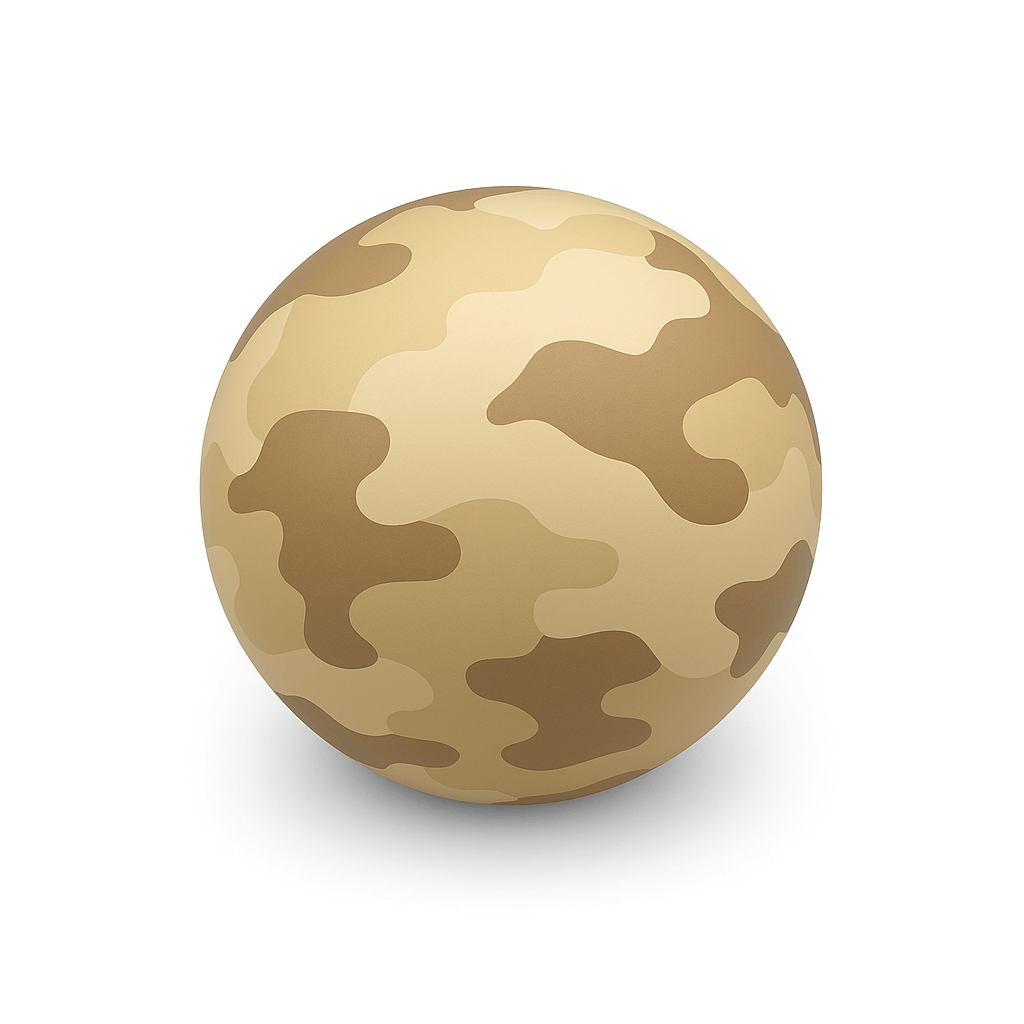
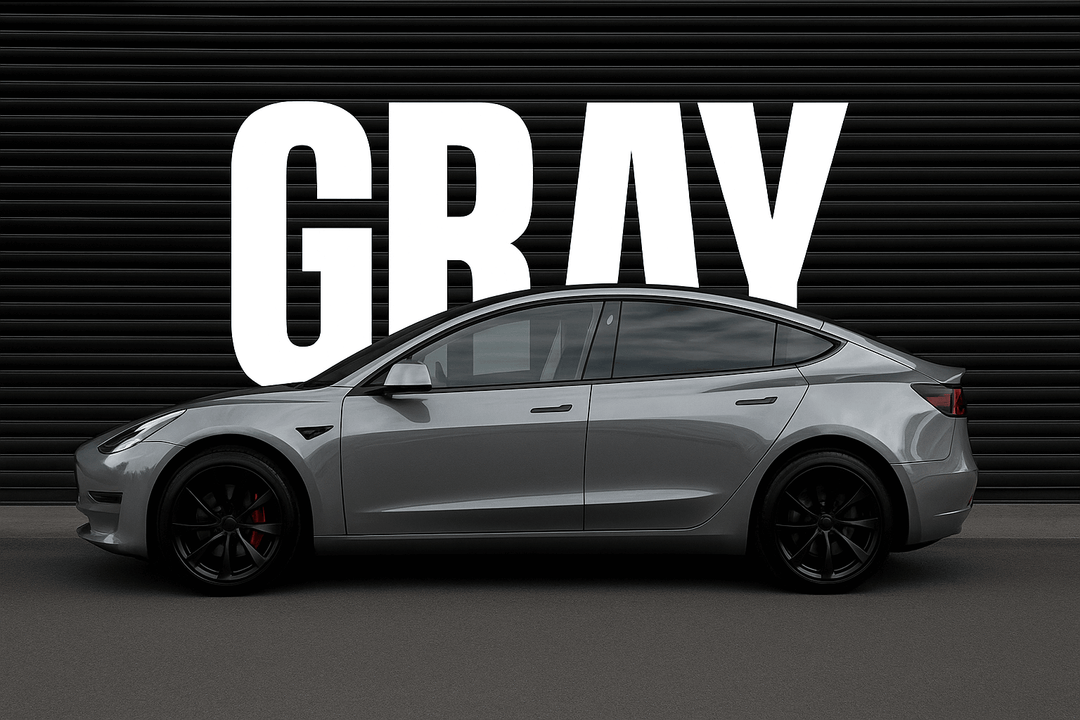
After the global popularity of cooler tones such as Nardo Gray, OEMs are shifting toward warmer, earth-inflected grays. Cement gray, khaki gray, and thermal gray introduce softness while retaining technical credibility.
In all cases, surface treatment has become as important as hue.
Silver, Blue, Red, and Green
Controlled Color Expression
Silver has declined in volume but is being reintroduced through higher-end interpretations such as liquid metal effects, satin silvers, and brushed metallic finishes that emphasize material authenticity.
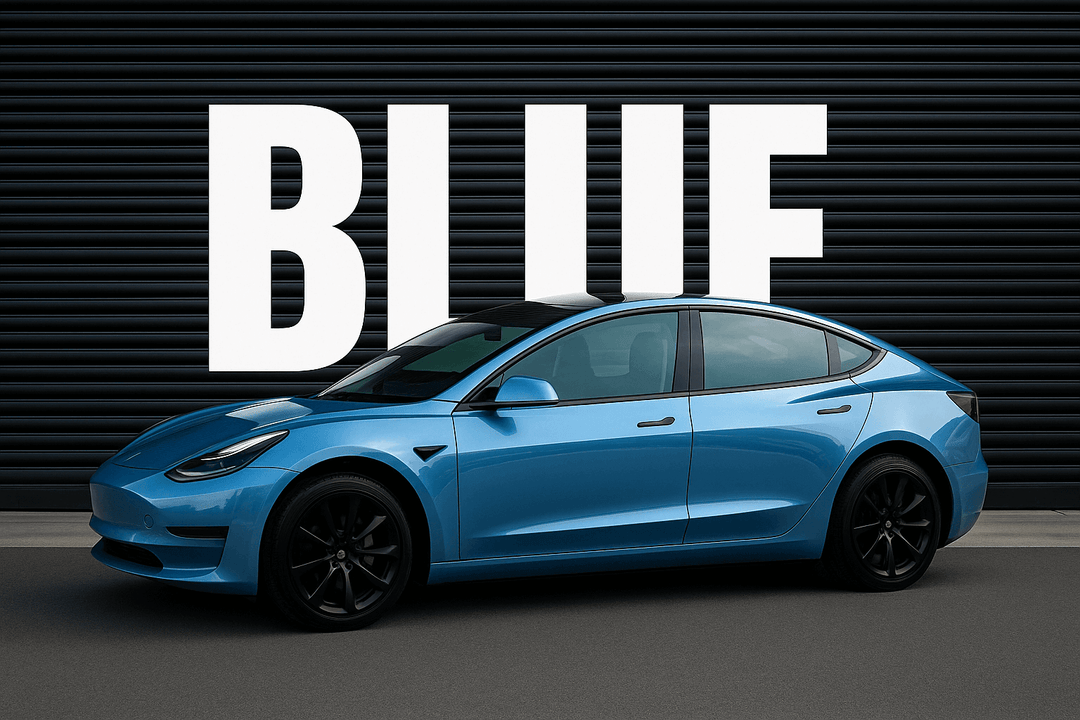
Blue remains the strongest non-neutral color globally, shifting toward deeper, more composed expressions like ocean blue and midnight blue.
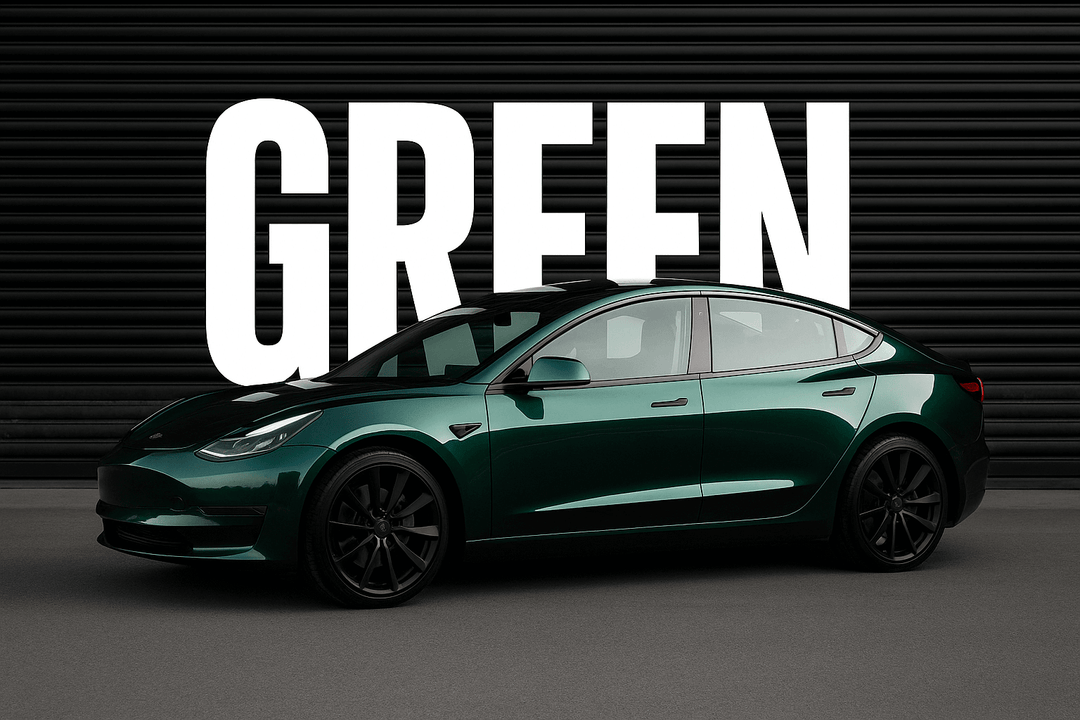
Red and green occupy smaller shares but carry symbolic weight. Rich reds gain traction in North America, while green emerges as the fastest-growing category, driven by sustainability narratives, outdoor lifestyles, and SUV growth.
OEMs introduce these colors cautiously, balancing emotional expression with mass-market acceptance.
Why OEM Stability Fuels the Aftermarket
Neutral dominance creates a paradox. It reassures buyers and stabilizes resale value, yet leaves many owners visually unsatisfied as vehicles become increasingly uniform.
This gap is where the aftermarket thrives.
Car wraps and Color PPF allow owners to access depth, warmth, and individuality that OEM paint programs explore slowly. The aftermarket does not reject OEM direction. It extends it, accelerates it, and personalizes it.
Neutral dominance does not limit creativity. It creates demand for it.
The Aftermarket Opportunity
Beyond Simple Color Change
By 2026, the global wrap industry has matured into a strategic extension of automotive design. Wraps are no longer novelty-driven. They address emotional, temporal, and personal needs that OEM cycles cannot fulfill.
Wraps transform color from a one-time decision into a dynamic design layer that evolves with taste, culture, and ownership strategy.
Consumers increasingly choose color systems rather than isolated shades:
-
Timeless Foundations: matte black, cement gray, pearl white
-
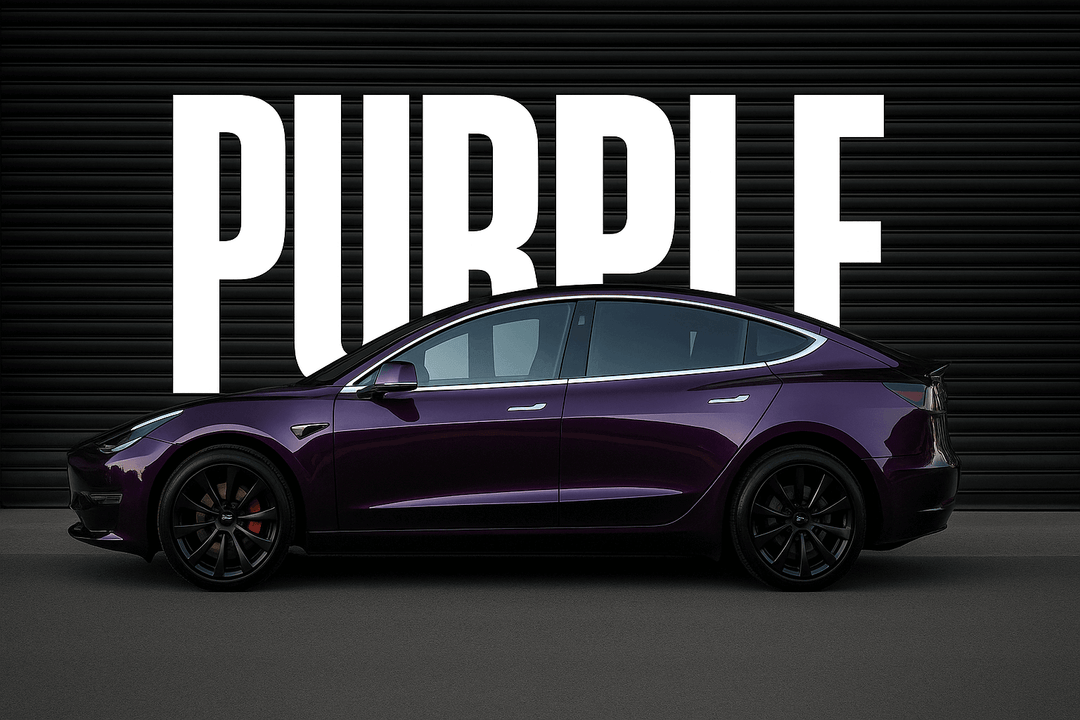
Emotional Accents: emerald green, midnight purple, deep ocean blue
-
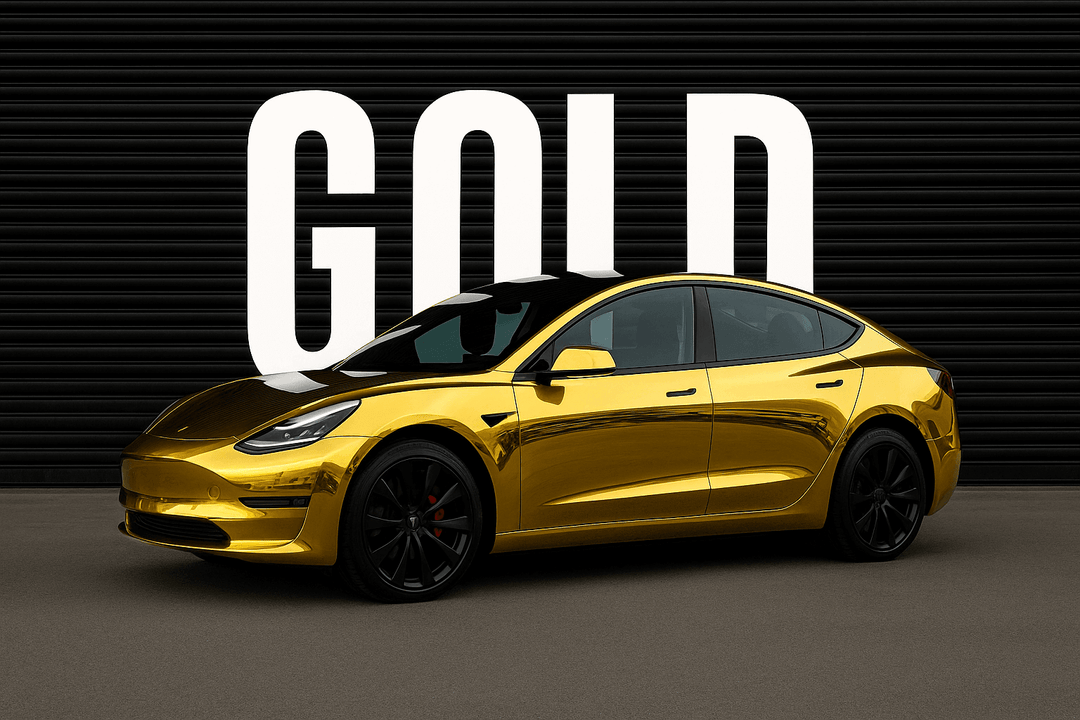
High-Impact Visuals: color-shift, gradients, liquid metal finishes
Finish now matters more than hue. Satin surfaces, two-tone applications, and partial wraps allow personalization without excess.
In this environment, texture becomes a design language rather than an accessory.
From Vinyl to TPU Color Paint Protection Film
A Structural Material Upgrade
Traditional vinyl wraps defined customization for decades. By 2026, their limitations are increasingly apparent.
Color PPF built on TPU represents a structural upgrade. With greater thickness, elasticity, UV stability, and self-healing capability, it merges aesthetic transformation with long-term protection.
Vinyl is cosmetic by nature. Color PPF is functional by design.
Self-healing technology reduces visible wear, lowers maintenance, and preserves factory paint, reframing customization as a long-term value strategy rather than a short-term visual choice.
Wraps are no longer temporary skins. They are intelligent surface layers.
The Three Core Color Systems Defining 2026
Biophilic Revival
Nature-inspired greens and earth tones create emotional grounding, especially in SUVs, EVs, and lifestyle vehicles. Satin finishes enhance their organic character.
Digital Depth & Liquid Surfaces
Deep blues, midnight purples, chromatic blacks, and liquid metallics emphasize dimensionality, motion, and performance in hybrid physical-digital environments.
Quiet Luxury Neutrals
Warm whites, soft grays, beiges, and taupes paired with satin finishes communicate confidence through restraint and longevity.
The most compelling designs sit between these systems, balancing emotion, technology, and subtlety.
Regional Market Focus
Europe & North America vs Asia
Europe and North America favor refined neutrals, functional finishes, and protection-driven customization aligned with long-term ownership.
Asia acts as a trend accelerator, embracing expressive colors, gradients, and digital-first aesthetics driven by EV growth and social visibility.
Global trends increasingly circulate between regions. Innovation often emerges in Asia and is refined through Western preferences for balance and usability.
Regional differences are not barriers. They are sources of insight.
Texture as a Premium Differentiator
By 2026, texture defines premium surfaces.
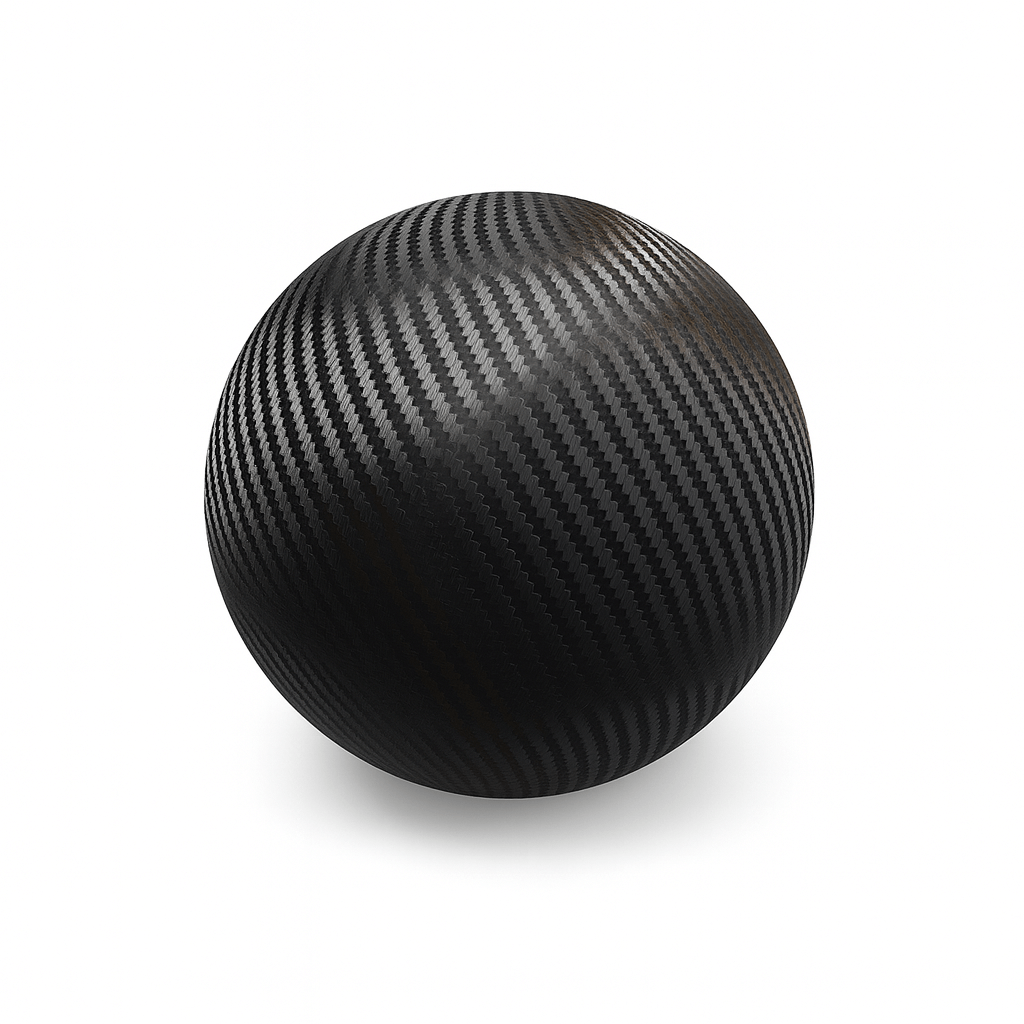
Forged carbon fiber, brushed metals, anodized finishes, and organic textures introduce material authenticity and depth. Texture elevates perceived craftsmanship, conceals wear, and justifies premium positioning.
Color becomes experience through texture.
Conclusion
Car Wraps as the Vehicle’s Second Skin
The global shift in automotive color reflects a deeper transformation in how vehicles are perceived.
Cars are no longer defined solely by performance or technology. They are emotional objects, personal spaces, and long-term investments. Their surfaces must express intelligence, responsibility, and comfort as much as speed.
In this context, car wraps and Color Paint Protection Film have evolved into a second skin.
One that protects, enhances, and adapts over time.
By 2026, the future of automotive color belongs not to the loudest finish, but to the most thoughtful one.
Color is no longer just what a car looks like. It is how a car lives with its owner.
Related Resources
BASF Coatings – 2025–2026 Automotive Color Trends