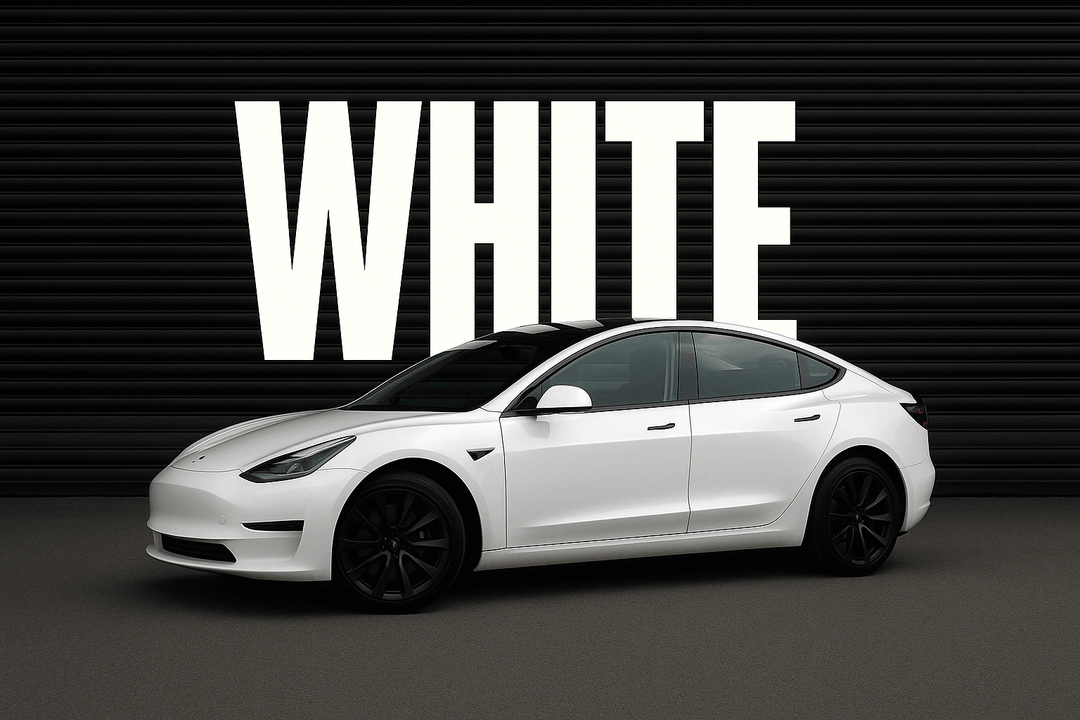

Best White Car Wrap Colors
White is often treated as the safest option in car wrapping, but in practice, it is also one of the most misunderstood colors. Many people assume that choosing white is simple, only to realize later that different white finishes can look and feel dramatically different once applied to a real vehicle.
Gloss white, matte white, pearl white, satin white, off-white, metallic white, and color-shift white may appear similar on a screen, yet they behave very differently under natural light, daily use, and long-term ownership. The purpose of this guide is not to convince you to choose white, but to help you choose the right white car wrap for how you actually use your vehicle.

Gloss White Car Wrap
Gloss white car wrap remains the most widely chosen white finish, largely because it delivers a clean, familiar appearance that closely resembles factory paint. The high-reflective surface allows light to flow smoothly across body lines, which enhances curves and makes the vehicle appear well-defined and freshly detailed.
From a practical standpoint, gloss white is also one of the most forgiving finishes available. Minor dust, water spots, and small installation imperfections are less noticeable compared to matte or specialty finishes. This makes it particularly suitable for daily drivers, first-time wrap buyers, and anyone looking for a timeless appearance without high maintenance demands.
If your priority is a white wrap that feels safe, versatile, and easy to live with over time, gloss white remains the most reliable choice.
Matte White Car Wrap
Matte white car wrap creates a completely different visual effect compared to gloss white, even though the base color may appear similar at first glance. Without surface reflections, matte white shifts attention away from shine and toward shape, proportion, and surface consistency.
This finish often feels more modern and architectural, especially on performance-oriented vehicles or minimalist builds. However, the lack of reflectivity also means that stains, fingerprints, and environmental marks are more visible. Matte white requires careful cleaning and more attention to maintenance in order to retain a consistent appearance.
For drivers who prioritize visual character and are comfortable with added care, matte white can be highly rewarding. For those seeking convenience and flexibility, it may require more commitment than expected.
Satin White Car Wrap
Satin white vinyl wrap sits between gloss and matte, offering a soft sheen that reflects light gently without producing strong glare. This balance creates a refined, premium appearance that feels intentional without being overly dramatic.

In real-world use, satin white often appeals to drivers who want something more elevated than standard gloss but less demanding than matte. It highlights body contours smoothly while maintaining a calm, controlled surface finish.
For luxury vehicles and modern designs, satin white delivers a sense of quiet sophistication that tends to age well over time.
Pearl White Car Wrap
Pearl white car wrap introduces subtle depth through soft iridescent particles embedded in the vinyl. Under direct sunlight, these particles create gentle highlights that add dimension without shifting into bold colors. In shaded conditions, pearl white appears calm and elegant.
One of the most common reactions to pearl white is that it looks understated in photos but far more impressive in person. The layered effect becomes visible as the vehicle moves, giving the surface a richness that plain white lacks.
If you want white to feel more premium without becoming flashy, pearl white is often the most balanced option.
Metallic White Vinyl Wrap
Metallic white vinyl wrap uses fine metallic flakes to produce a sharper, more dynamic surface effect. Compared to pearl white, metallic white feels more technical and energetic, particularly under strong lighting.
This finish is well suited to performance builds and modern vehicles where you want white to stand out slightly more while still remaining tasteful. Metallic white adds visual movement without overwhelming the base color.
Drivers who find pearl white too subtle often gravitate toward metallic white for its clearer light response.
Championship White Car Wrap
It carries a subtle warm tone, often described as creamy or slightly yellowed when compared side by side with neutral whites. This color gained its iconic status from Honda Type R models, where Championship White became closely associated with motorsport heritage and performance culture.
Unlike bright or neutral whites, Championship White feels organic and character-driven. Under sunlight, the warmth becomes more noticeable, giving the surface a softer, more classic appearance. Indoors or in shade, it still reads as white, but never sterile or cold.
This finish works especially well on performance cars, JDM builds, and heritage-inspired projects where history and emotion matter as much as visual cleanliness. Championship White pairs naturally with red accents, black wheels, carbon fiber elements, and racing-style graphics.
If you are drawn to white because of motorsport culture rather than minimalism, Championship White delivers personality that pure white simply cannot replicate.
Racing White Car Wrap
Racing White, sometimes referred to as pure white or neutral white, is a clean and balanced white without noticeable warm or cool undertones. It is visually crisp, highly reflective in gloss finishes, and extremely consistent under different lighting conditions.

Compared to Championship White, Racing White appears brighter and more clinical. It emphasizes sharp body lines, decals, and contrast elements with maximum clarity. This makes it a popular choice for modern performance cars, track-focused builds, and vehicles where visibility and contrast are priorities.
Racing White also serves as an excellent base for stripes, sponsor graphics, and color accents because it does not shift in tone. What you see in daylight is very close to what you see under artificial lighting.
If your goal is a white that feels precise, modern, and uncompromisingly clean, Racing White is the most straightforward and predictable option.
Off-White and Cream White Car Wrap
Off-white vinyl wraps shift slightly toward warmer tones, such as cream or ivory. These finishes soften the visual impact of white and often feel more natural in certain environments, especially on classic vehicles or lifestyle builds.
Off-white tends to hide dirt better than bright white and can feel less sterile in daily use. It pairs well with bronze wheels, wood accents, and vintage-inspired styling.
For drivers who find pure white too harsh or clinical, off-white offers a more relaxed alternative.
White Carbon Fiber Wrap
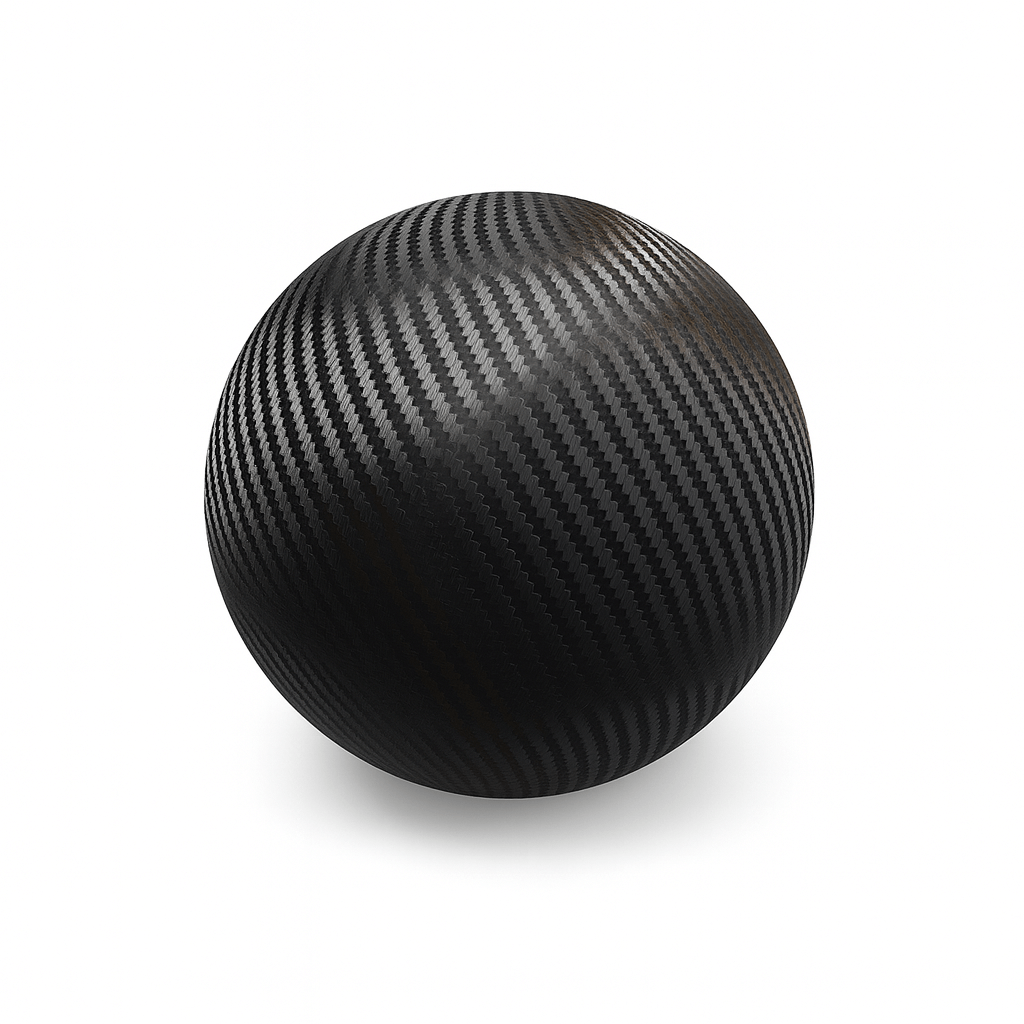
White carbon fiber wrap combines a textured weave pattern with a white color base, creating depth without introducing additional color. The texture breaks up the surface visually, making it ideal for accent applications rather than full vehicle wraps.
Common uses include hoods, roofs, mirrors, spoilers, and interior trim. White carbon fiber adds a technical, performance-oriented feel while staying within a neutral palette.
It is best suited for drivers who want detail and contrast without departing from white entirely.
White Glitter and Sparkle Vinyl Wrap
White glitter vinyl wrap introduces reflective particles that remain subtle in low light but become highly visible under direct illumination. This finish is designed for visual impact and is most often used on show cars, promotional vehicles, and creative builds.
While not suited for understated designs, white glitter offers a dramatic way to keep a white base color while adding energy and personality.
This finish works best when the goal is to stand out rather than blend in.
Color-Shift and Chameleon White Wrap

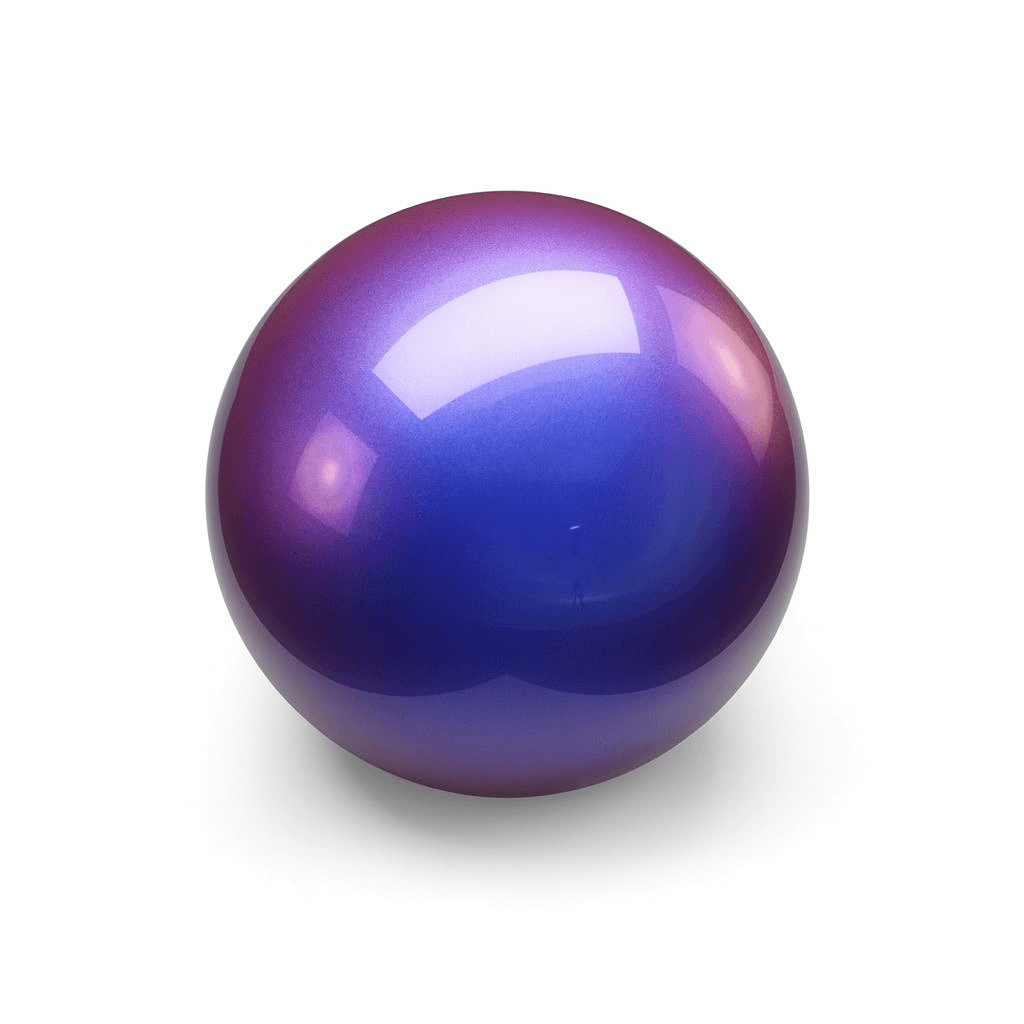
Color-shift white vinyl wrap is built on a white base layer combined with controlled optical pigments that react to changes in lighting and viewing angle. Rather than producing a soft glow like pearl white, chameleon white introduces clearer tonal transitions, commonly revealing subtle blue, pink, or gold undertones as the surface moves through light.
These secondary hues never overpower the white foundation. Instead, they appear momentarily, giving the wrap a dynamic, modern character while preserving the overall neutrality of white. This makes chameleon white especially appealing to drivers who want visual variation and depth without committing to a fully colored wrap.
White Car Wrap Cost
White car wrap pricing varies based on finish type, vehicle size, and installation method. Professional installations typically range from $2,500 to $5,000 for a full vehicle, with pearl, metallic, and color-shift finishes increasing costs due to material and labor complexity.
DIY installation significantly reduces expense. A full roll of white vinyl wrap is usually sufficient for most sedans and costs around $600 when purchased as material only.
White color paint protection film costs more, often ranging from $5,000 to $8,000 for professional installation due to thicker TPU material and higher labor requirements.
How Long Does a White Car Wrap Last?
Most high-quality white vinyl wraps last between 3 and 5 years when properly maintained. Lifespan depends on sun exposure, climate, and care routines.
Regular cleaning and shaded parking help extend durability, particularly for lighter colors such as white.
Does White Vinyl Wrap Turn Yellow Over Time?
White vinyl wrap can yellow over time, but this is not inevitable. Yellowing typically occurs with low-quality films, prolonged UV exposure, or harsh cleaning chemicals.
Premium polymeric vinyl with UV inhibitors resists discoloration far more effectively. Proper maintenance and timely replacement also help preserve color clarity.
White Vinyl Wrap vs White Paint vs White Color PPF
White paint is permanent and expensive to change. White vinyl wrap offers flexibility and reversibility while protecting factory paint. White color PPF provides superior impact protection but at a higher cost.
For most drivers, vinyl wrap provides the best balance between appearance, protection, and value.
Is White Vinyl Wrap Suitable for DIY Installation?
White vinyl wrap is one of the most beginner-friendly colors, particularly in gloss and satin finishes. These surfaces are forgiving and easier to reposition during installation.
Matte and specialty finishes require more experience and precision. New installers are generally advised to start with gloss or satin white.
Where to Buy White Vinyl Wrap That Lasts
The quality of white vinyl wrap depends heavily on material consistency, adhesive stability, and UV resistance. Choosing a supplier that prioritizes these factors reduces installation issues and long-term degradation.
High-quality polymeric vinyl installs smoother, lasts longer, and removes more cleanly.
Frequently Asked Questions
Which white finish is easiest to maintain?
Gloss white.
Which white looks most premium in person?
Pearl and satin white.
Which white hides dirt best?
Off-white and satin white.
Is white a good resale color?
Yes, particularly gloss and satin finishes.
Final Thoughts
Choosing a white car wrap is not about avoiding risk, but about understanding nuance. White can be minimal or expressive, calm or bold, traditional or futuristic. Once the differences are clear, white becomes one of the most versatile and intentional choices available.