
Vinyl Wrap vs Color PPF: What’s the Right Choice for Your Car?
If you have spent any time researching car wraps, you have likely seen two terms appear again and again: vinyl wrap and color PPF. Both have become mainstream options for changing a vehicle’s appearance without committing to permanent paint. At first glance, they may seem similar. After all, both involve wrapping the exterior of a car with a film. But in reality, they serve very different purposes.
This is where confusion often starts. Many car owners assume that color PPF is simply a more expensive version of vinyl wrap, or that vinyl wrap offers the same level of protection as paint protection film. Neither assumption is fully correct. While both options can transform how a car looks, the way they perform, protect, and age over time is not the same.
Choosing between vinyl wrap and color PPF is not just a style decision. It affects how well your paint is protected, how long the finish lasts, how the surface looks up close, and how much value your vehicle retains over the years. A choice that makes sense for a short-term color change may be a poor fit for a new or high-value vehicle meant to be kept long term.
In this guide, we break down the real differences between vinyl wrap and color paint protection film. You will learn how each material works, what they are best at, where their limitations lie, and which option makes the most sense based on how you drive, how long you plan to keep your car, and what you expect from the finish.
What Is Vinyl Wrap?
A vinyl wrap is a thin, flexible film designed primarily to change the exterior appearance of a vehicle without repainting it. It is made from PVC-based material and applied directly over the factory paint using pressure-sensitive adhesive. Once installed, the wrap acts as a removable skin that alters color, finish, or design while leaving the original paint underneath intact.
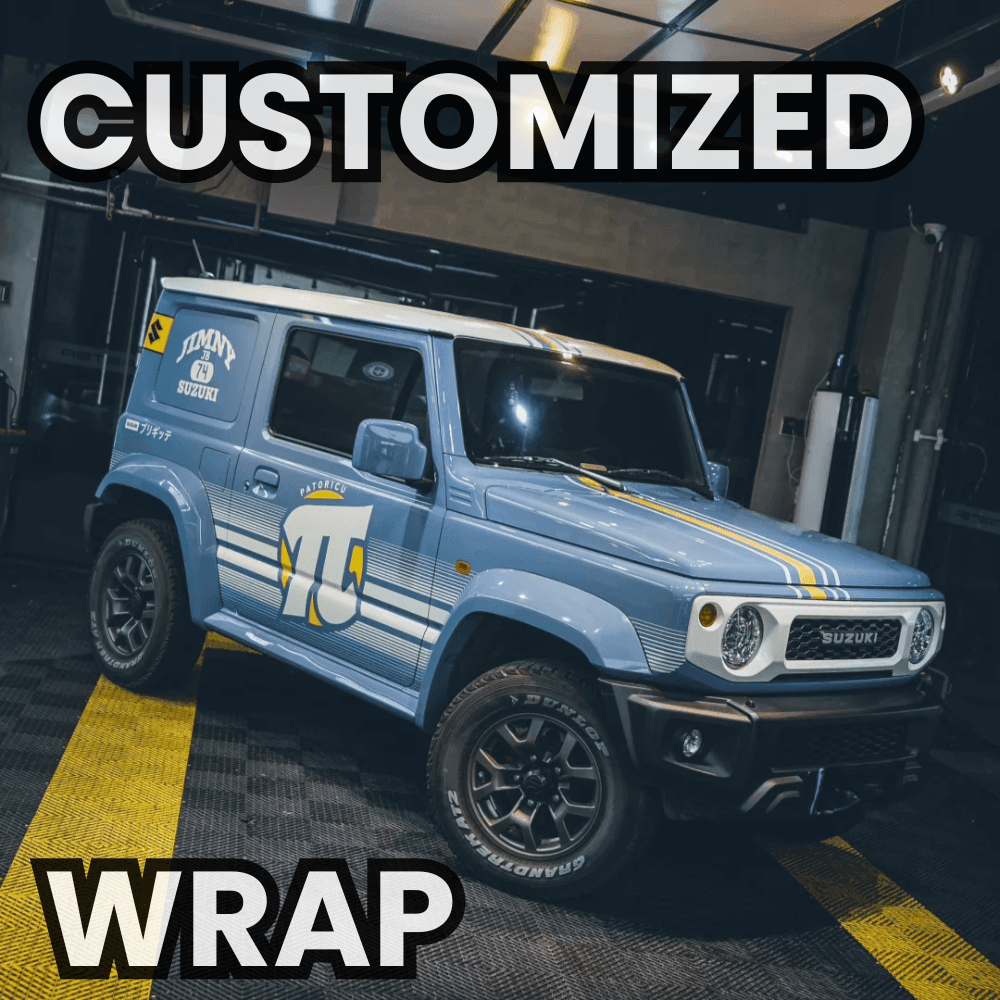
Vinyl wraps are widely used because of their versatility. They are available in a massive range of colors and finishes, including gloss, matte, satin, metallic, carbon fiber, brushed textures, and even chrome. Custom graphics, patterns, and commercial branding can also be printed directly onto vinyl, which is why wraps are commonly used for advertising fleets and promotional vehicles.
From a structural standpoint, vinyl wrap is relatively thin. Most automotive vinyl films are designed with air-release channels in the adhesive layer. These microscopic channels allow air to escape during installation, making the film easier to reposition and helping installers avoid visible bubbles. While this design improves installability, it also contributes to the slight surface texture often seen on vinyl wraps when viewed closely.
The primary purpose of vinyl wrap is visual transformation, not paint protection. While it can provide light shielding from UV exposure and minor surface scuffs, vinyl is not engineered to absorb impacts or resist abrasion. Rock chips, scratches, and road debris can still pass through the film and damage the paint underneath. Once the surface is scratched or torn, vinyl does not self-repair and usually needs to be replaced.
Another defining characteristic of vinyl wrap is its temporary nature. With proper care, most high-quality vinyl wraps last between three and five years before showing signs of fading, gloss loss, or edge wear. When removed correctly, vinyl wrap can restore the vehicle to its original paint condition, making it a popular option for leased vehicles or owners who like to change styles frequently.
What Is Color PPF?
Color PPF, short for color paint protection film, is a newer category of automotive film that combines exterior color transformation with true paint protection. Unlike vinyl wrap, which is designed mainly for appearance, color PPF is built on the same foundation as traditional clear PPF. Its primary role is to protect the vehicle’s paint, with color added as an integrated feature rather than the main purpose.
Color PPF is made from thermoplastic polyurethane (TPU), a flexible yet highly durable material engineered to absorb impact and resist wear. This is the same material used in premium clear paint protection films. The difference is that color pigments or finishes are infused into the film, allowing the vehicle’s appearance to change while maintaining the protective qualities of PPF.
One of the most noticeable characteristics of color PPF is how it looks once installed. Because it does not rely on air-release channels like vinyl, the film sits directly against the paint surface. This creates a smoother, more uniform finish with minimal surface texture. The result is a deeper gloss or a more consistent matte appearance that closely resembles factory paint rather than a wrapped surface.
Protection is where color PPF truly separates itself. The film is significantly thicker than vinyl wrap and is designed to shield the paint from rock chips, road debris, light scratches, bug splatter, and environmental contaminants. Many color PPF products also feature self-healing top coats, allowing light swirl marks or fine scratches to disappear when exposed to heat from the sun or warm water.
Color PPF is also engineered for longevity. With proper installation and maintenance, it typically lasts seven to ten years, far outlasting most vinyl wraps. Its resistance to UV exposure, staining, and chemical etching helps preserve both the appearance of the film and the condition of the paint underneath.
In practical terms, color PPF is best viewed as a paint protection solution first and a color change second. It is designed for owners who want a paint-like finish, long-term durability, and real protection without committing to permanent paint. For newer vehicles, high-value cars, or owners planning to keep their vehicle long term, color PPF offers a level of performance that vinyl wrap cannot match.
Vinyl Wrap vs Color PPF: What’s the Difference
At a glance, vinyl wrap and color PPF may appear to serve the same role. Both can change how a car looks without permanent paint. But once you look beyond color and finish, the differences become significant. These differences affect not only appearance, but also protection, durability, and long-term ownership cost.
Purpose: Appearance vs Appearance Plus Protection
The core difference starts with intent. Vinyl wrap is designed primarily for visual change. Its goal is to alter color, texture, or graphics as quickly and affordably as possible. Any protection it provides is secondary and limited.
Color PPF is built with protection as the foundation. The color is added to a film that already exists to defend paint from damage. This means every design decision, from material thickness to surface coating, is centered on durability first, aesthetics second.
If your priority is style alone, vinyl fulfills that role. If you expect real protection along with the color change, color PPF operates on a completely different level.
Material: PVC vs TPU
Vinyl wrap is made from PVC-based plastic. This material is lightweight, flexible, and easy to produce in a wide variety of colors and finishes. It is optimized for stretch and installability, not impact resistance.
Color PPF uses thermoplastic polyurethane (TPU), a far stronger and more elastic material. TPU is engineered to absorb energy rather than tear, which is why it is used for protective films. This material choice is what allows color PPF to resist chips, scratches, and abrasion in ways vinyl cannot.
Thickness and Impact Resistance
Thickness directly affects how a film handles real-world driving conditions. Vinyl wrap is relatively thin and offers minimal resistance to impacts. Small rocks, road debris, and sharp contact can easily cut through the film and reach the paint.
Color PPF is substantially thicker. This added mass allows it to absorb and disperse impact energy, reducing the chance of paint damage. Many color PPF films also include self-healing layers that repair light surface scratches with heat, something vinyl wrap cannot do.
Surface Finish and Visual Depth
Vinyl wraps rely on air-release channels in the adhesive layer to make installation easier. While effective, these channels can create subtle surface texture, often described as orange peel, especially noticeable on glossy finishes.
Color PPF adheres directly to the paint without air channels. Combined with a high-quality top coat, this produces a smoother, more uniform surface. The finish tends to look deeper, clearer, and closer to factory paint, whether gloss or matte.
Longevity
Vinyl wrap is best viewed as a short- to mid-term solution. Most high-quality vinyl wraps last 3 to 5 years before fading, losing gloss, or showing edge wear.
Color PPF is designed for long-term use. With proper care, it commonly lasts 7 to 10 years. Its resistance to UV exposure, staining, and chemical damage allows it to maintain its appearance far longer than vinyl.
Maintenance Difficulty
Vinyl wrap requires careful maintenance. Harsh chemicals, automatic car washes, and prolonged sun exposure can accelerate deterioration. Stains and scratches are permanent once they occur.
Color PPF is easier to live with. Its surface is typically more resistant to staining and easier to clean. Self-healing properties reduce the appearance of fine scratches, and many films feature hydrophobic top layers that simplify washing.
Removal and Paint Safety
When properly installed and removed within its service life, vinyl wrap can be taken off without damaging paint. However, older or degraded vinyl can leave adhesive residue or pull clear coat if removal is rushed or poorly executed.
Color PPF is designed to be paint-safe. Because it is engineered for long-term protection, it generally removes more cleanly when handled by a professional, often leaving the paint underneath in better condition than before installation.
Vinyl Wrap vs Color PPF Cost Comparison
When comparing the cost of vinyl wrap and color PPF, it’s essential to look at both the upfront price and long-term value. The exact cost depends on factors like vehicle size, film quality, and whether you choose full coverage or partial application.
Vinyl Wrap Costs
Vinyl wrap is typically more affordable initially, especially for partial coverage or simple colors.
-
Partial Vinyl Wrap: Starting around $600–$1,200 (e.g., hood, roof, mirrors, or accents)
-
Full Vehicle Vinyl Wrap: Starting around $2,500–$5,000. For larger vehicles or premium finishes like satin, matte, metallic, or textured films, pricing can go up to $4,500+.
These figures are general estimates. Luxury models or vehicles with complex curves and body lines can increase installation time and cost.
Because most vinyl wraps last about 3 to 5 years before showing fading, lifting, or edge wear, some owners choose to rewrap more than once during long-term ownership. That adds to the total lifetime expense.
Color PPF Costs
Color PPF is more expensive upfront because the film itself is thicker, engineered for protection, and requires precise installation.
-
Partial Color PPF (High-Impact Areas): Around $1,500–$3,000. This typically includes the front bumper, hood, fenders, and other vulnerable sections.
-
Full Vehicle Color PPF: Starting at $6,000–$8,000+. For full coverage on larger vehicles or premium finishes (e.g., high gloss, satin, or custom color PPF), costs may extend beyond $8,000–$10,000 depending on installer rates and region.
Color PPF is designed to last 7 to 10 years or more with proper care, which means a single application might outlast two or three vinyl wrap cycles.
Putting Numbers Into Perspective
|
Option |
Typical Initial Cost |
Estimated Lifespan |
|
Partial Vinyl Wrap |
$600–$1,200 |
~3–5 years |
|
Full Vinyl Wrap |
$2,500–$4,500+ |
~3–5 years |
|
Partial Color PPF |
$1,500–$3,000 |
~7–10+ years |
|
Full Color PPF |
$5,000–$8,000+ |
~7–10+ years |
When you consider cost per year of service, color PPF often becomes more competitive:
-
A $3,000 partial vinyl wrap lasting 4 years costs about $750 per year.
-
A $3,000 partial color PPF lasting 8 years effectively costs about $375 per year while also providing real paint protection.
This simplified example shows how the upfront premium for color PPF can translate into lower overall cost and higher value over time, especially if you plan to keep your vehicle long term.
Which One Is Right for You?
Choosing between vinyl wrap and color PPF is less about which option is “better” and more about which one aligns with how you use your vehicle, how long you plan to keep it, and what you expect from the finish.
Choose Vinyl Wrap If
Vinyl wrap is the right choice when appearance and flexibility matter more than long-term protection.
You should consider vinyl wrap if you want to change your car’s color or style without a large upfront investment. It works well for owners who enjoy experimenting with different looks or plan to update the design every few years.
Vinyl wrap also makes sense for leased vehicles. Since the film is removable and less expensive, it allows you to personalize the car while still returning it in its original color. Business owners often choose vinyl wrap for advertising or branding, where custom graphics, logos, and text are more important than paint protection.
If your vehicle is older or already has cosmetic imperfections, vinyl wrap can be a practical way to refresh its appearance without the cost of repainting or premium protective films.
Choose Color PPF If
Color PPF is the better option when protection, longevity, and finish quality are top priorities.
You should choose color PPF if you own a new or high-value vehicle and want to preserve the paint while still changing its appearance. The film provides real defense against rock chips, scratches, and environmental damage, which is especially important for daily drivers or vehicles exposed to highway use.
Color PPF is also well suited for owners planning to keep their car for many years. Its longer lifespan means fewer replacements, and the protected paint underneath often looks better at resale or trade-in time.
If you care about surface quality and want a finish that looks closer to factory paint, color PPF delivers a smoother, deeper, and more uniform appearance than vinyl wrap. The added self-healing and stain resistance also make it easier to maintain over time.
Final Verdict: It’s Not About Better. It’s About Fit.
Vinyl wrap and color PPF are often compared side by side, but they are not competing products in the traditional sense. They are solutions designed for different needs, different ownership timelines, and different expectations.
Vinyl wrap is a styling tool. It offers flexibility, creative freedom, and a lower upfront cost. It works best for short-term transformations, leased vehicles, commercial branding, or owners who enjoy changing their car’s look every few years. If visual impact is your primary goal and long-term protection is not a concern, vinyl wrap does exactly what it is meant to do.
Color PPF is a protection-first solution with aesthetics built in. It delivers a paint-like finish while actively defending the surface underneath. For newer vehicles, high-value cars, or long-term ownership, color PPF provides durability, easier maintenance, and peace of mind that vinyl simply cannot match. Over time, it often proves to be the smarter investment despite the higher initial cost.
The right choice depends on how you use your car, how long you plan to keep it, and what you expect from the finish.
Related Articles:
How Much Does a Color PPF Wrap Cost