
The Ultimate Guide to TPU Car Wraps
Want to protect your car’s paint and make it look better at the same time? That’s exactly why more car owners are turning to TPU car wraps.
TPU stands for thermoplastic polyurethane. It’s a flexible, high-performance material built to handle real-world driving. Compared to traditional vinyl wraps, it offers stronger protection and a more refined finish that actually enhances your car instead of just covering it.

Here’s where it gets interesting.
TPU wraps can heal themselves. Light scratches and swirl marks don’t stay visible for long. With a bit of heat, the surface gradually returns to its original condition. That means less worry about daily wear and fewer trips fixing minor damage.
But protection is only part of the story.
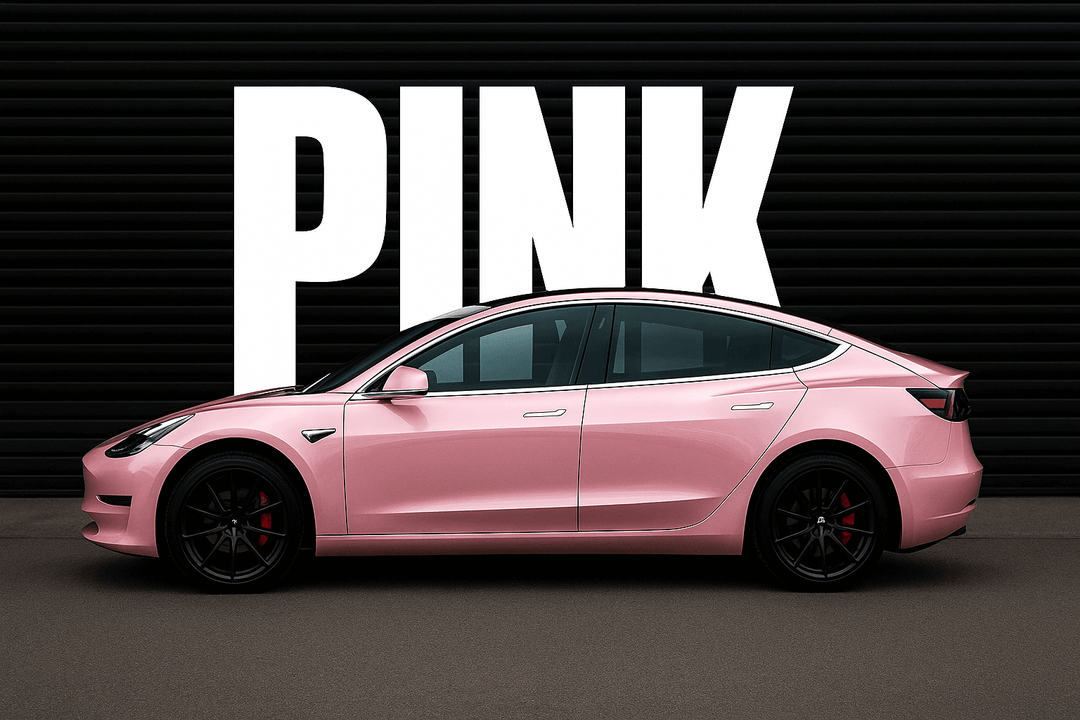
TPU wraps also improve how your car looks. Whether you prefer a deep gloss that makes the paint pop or a softer satin finish, you get styling flexibility without sacrificing durability.
So what should you expect if you’re considering one?
In this guide, you’ll learn how TPU car wraps work, why they’re different, what they cost, and how they compare to vinyl wraps and paint protection film. By the end, you’ll know if it’s the right investment for your car.
What Is TPU Car Wrap?
TPU car wrap is one of the most advanced ways to protect your car’s paint today. It’s made from thermoplastic polyurethane, a material designed to absorb impact, resist damage, and keep your vehicle looking new for years.
Here’s the simple way to think about it. A TPU wrap acts like an invisible shield. It sits on top of your paint and takes the hit from road debris, scratches, and UV exposure so your original finish doesn’t have to.
What makes it stand out is how smart the material is. TPU has self-healing properties, which means light scratches and swirl marks can fade away with heat. Park your car in the sun or rinse it with warm water, and the surface begins to restore itself. That’s something traditional vinyl wraps simply can’t do.
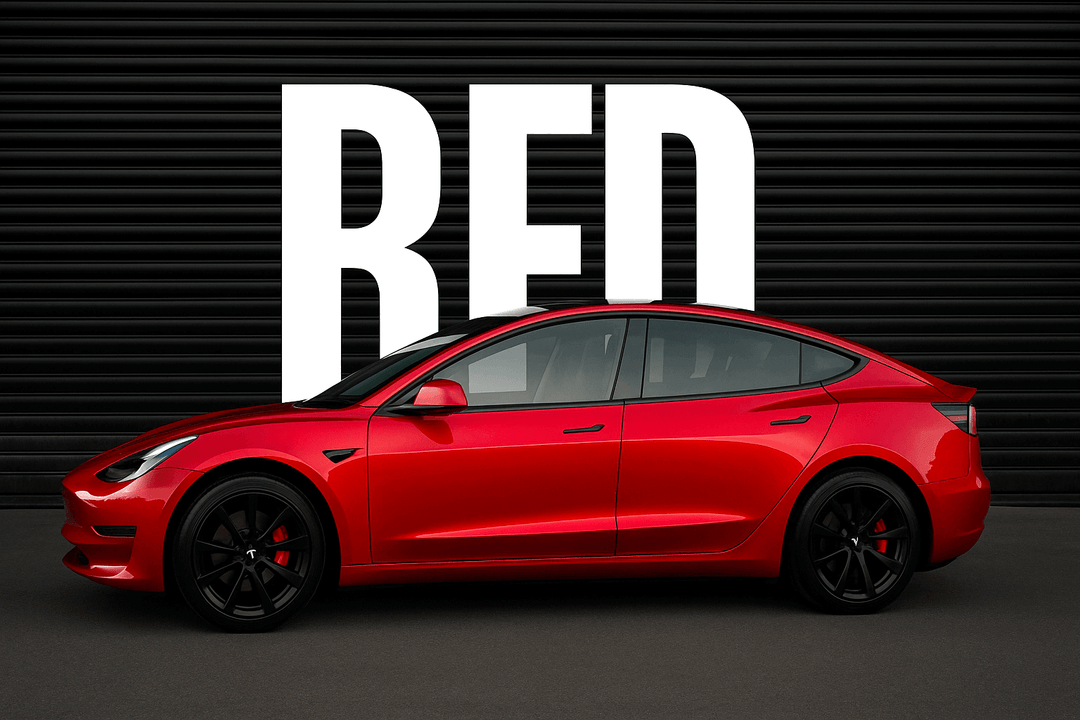
It also looks better than you might expect from a protective film. TPU wraps are known for their deep, glossy finish that enhances the original paint instead of covering it up. The result is a clean, premium look that doesn’t feel artificial.
In terms of durability, you’re looking at around 7 to 10 years with proper care. That makes it a long-term solution, not a temporary upgrade.
So if you want something that protects your car, improves how it looks, and reduces maintenance over time, TPU car wrap checks all three boxes.
Key Features and Benefits of TPU Wraps
So why are more people choosing TPU over other wrap materials?
It comes down to performance. TPU wraps don’t just sit on your car for looks. They actively protect it and make ownership easier over time.
Here’s what you’re really getting.
Self-Healing Surface
Light scratches and swirl marks are inevitable. The difference is how your car deals with them.
With TPU, minor imperfections can fade away with heat. Sunlight or warm water helps the material return to its original state, so your car keeps that smooth, just-detailed look without constant correction.
Superior Protection
Your paint faces a lot every day. Road debris, bug splatter, chemical stains, and UV exposure all take a toll.
TPU wraps act as a barrier. They absorb the impact from small stones, resist staining from harsh contaminants, and help prevent yellowing caused by long-term sun exposure. That means your original paint stays protected underneath.
Long Lifespan
Not all wraps are built to last.
TPU typically holds up for 7 to 10 years with proper care. Compare that to PVC wraps, which may only last 1 to 3 years, or TPH films that average around 2 to 5 years. Over time, that durability can make a big difference in both cost and convenience.
Enhances Your Car’s Look
Protection doesn’t mean sacrificing style.
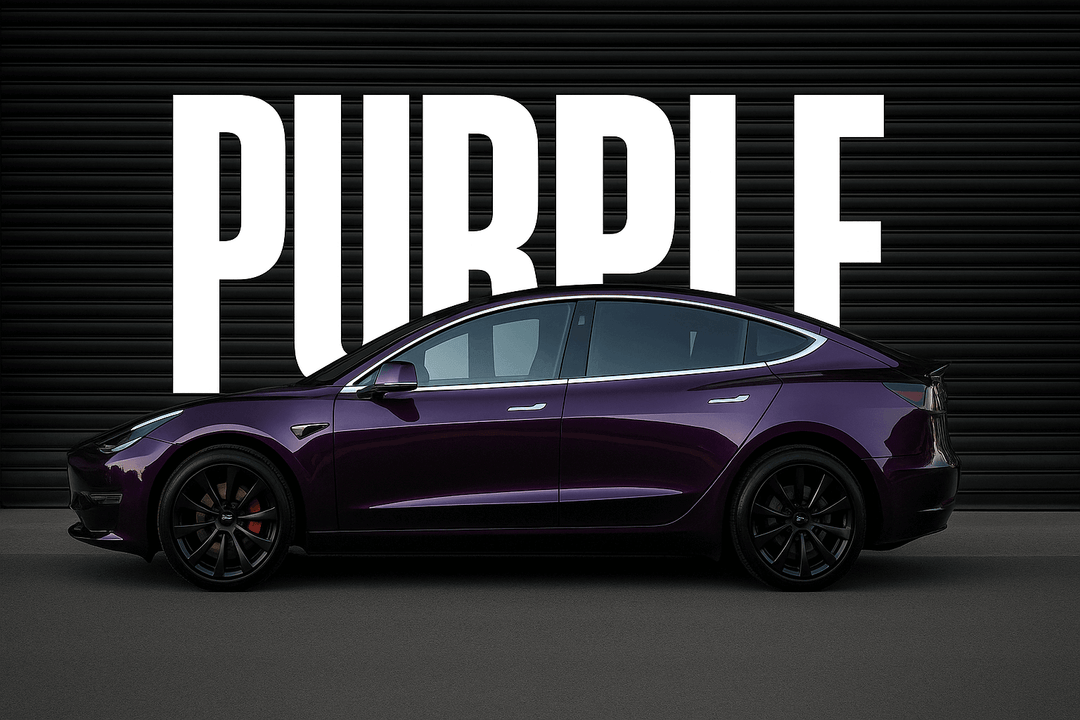
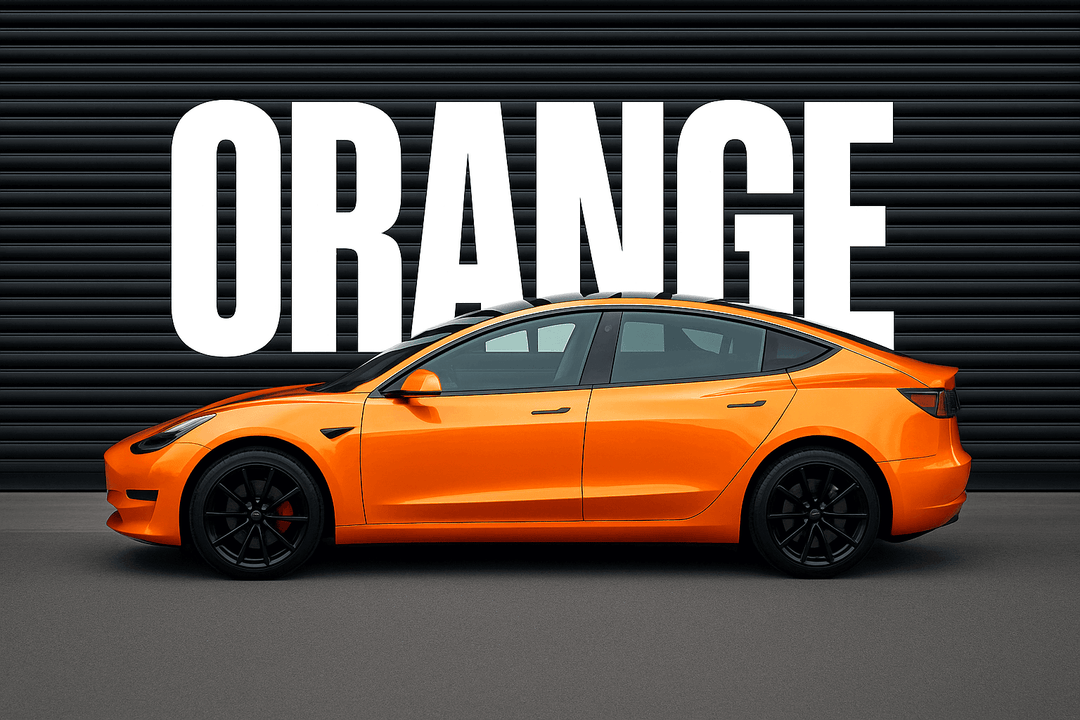
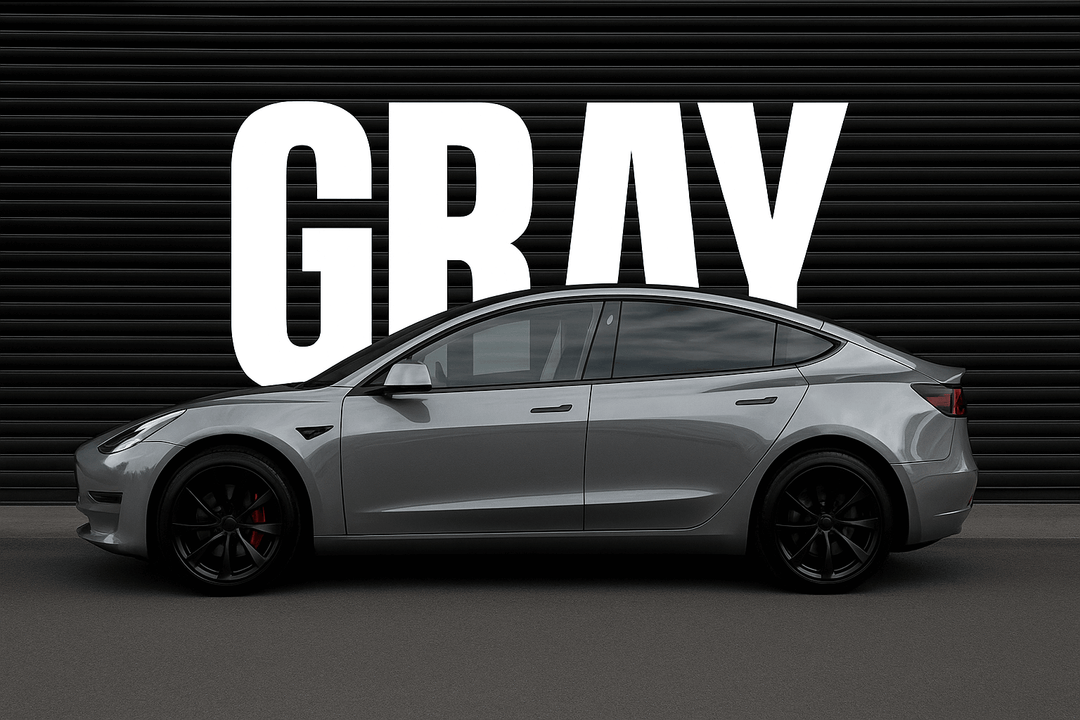
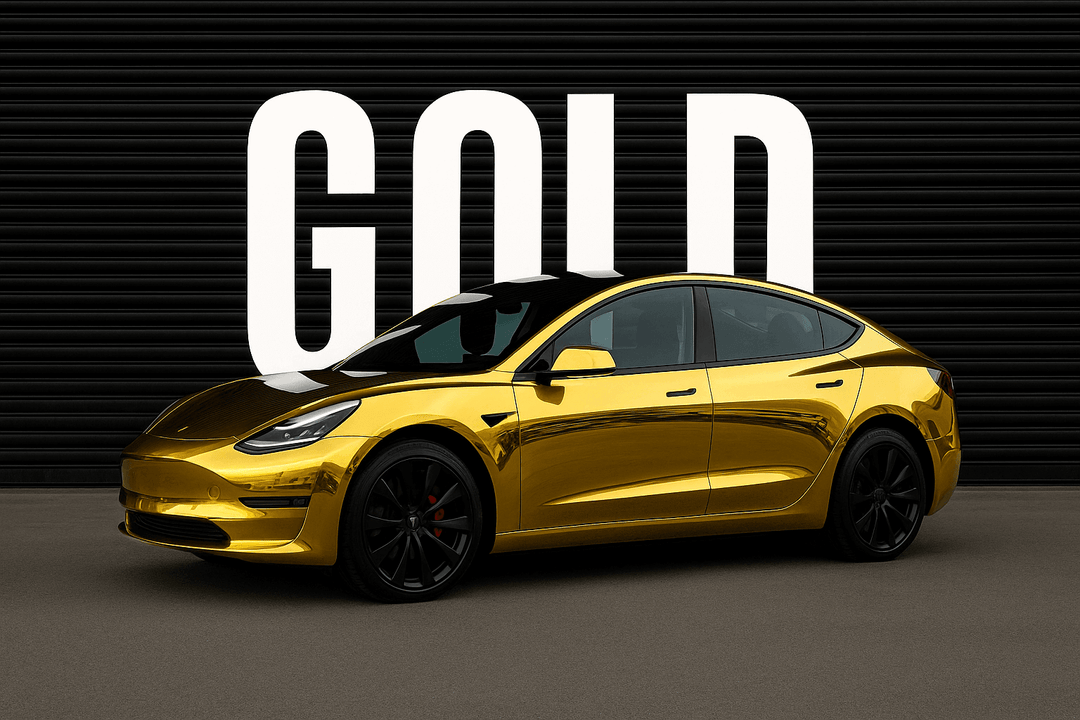
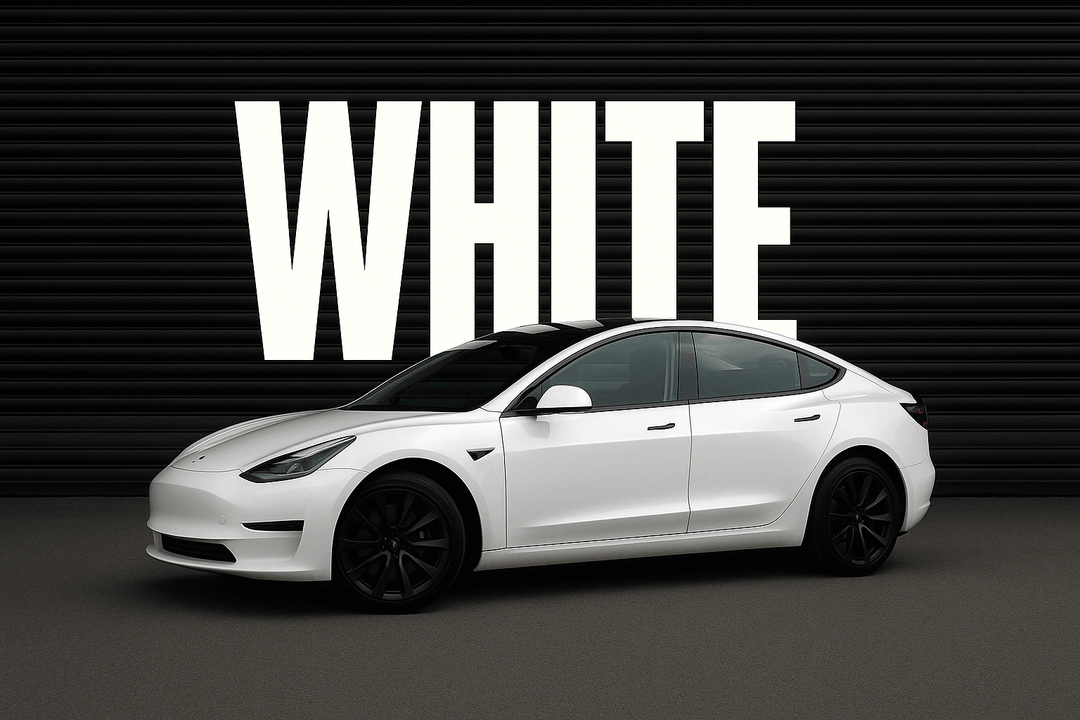
TPU wraps are available in clear finishes that preserve your factory color, as well as gloss, matte, and even color-shifting options. You can upgrade your car’s appearance while still keeping the paint safe underneath.
Easier to Maintain
Keeping your car clean shouldn’t feel like a chore.
TPU surfaces are designed to resist dirt, water spots, and grime. Most of the time, a simple wash is enough to bring back that clean finish. You spend less time maintaining the car and more time enjoying how it looks.
TPU vs Other Wrap Materials
Not all car wraps are built the same. If you’re trying to decide between TPU, TPH, and PVC, the real difference comes down to how much protection you want and how long you expect it to last.
Here’s the quick breakdown.
TPU (Thermoplastic Polyurethane)
This is the premium option.
TPU is soft, highly elastic, and designed to absorb impact rather than just sit on the surface. It has true self-healing properties, so light scratches can disappear with heat. It also resists UV damage, chemical stains, and yellowing much better than other materials.
In terms of lifespan, TPU typically lasts 7 to 10 years, making it a long-term solution for both protection and appearance.
Best for: car owners who want maximum protection and a high-end finish.
TPH (Modified PVC)
TPH sits somewhere in the middle.
It’s a modified version of PVC, so it offers slightly better flexibility and limited self-healing compared to standard vinyl. However, it’s still more rigid than TPU and doesn’t perform as well over time.
You can expect a lifespan of around 2 to 5 years, depending on usage and conditions.
Best for: those who want better performance than vinyl without paying for full TPU.
PVC (Vinyl Wrap)
This is the most common and budget-friendly option.
PVC wraps are mainly used for visual customization rather than protection. They don’t have self-healing properties and offer limited resistance to UV rays and environmental damage. Over time, they are more prone to fading, cracking, or peeling.
Most PVC wraps last around 1 to 3 years before needing replacement.
Best for: short-term style changes or lower-budget projects.
Types of TPU Car Wraps
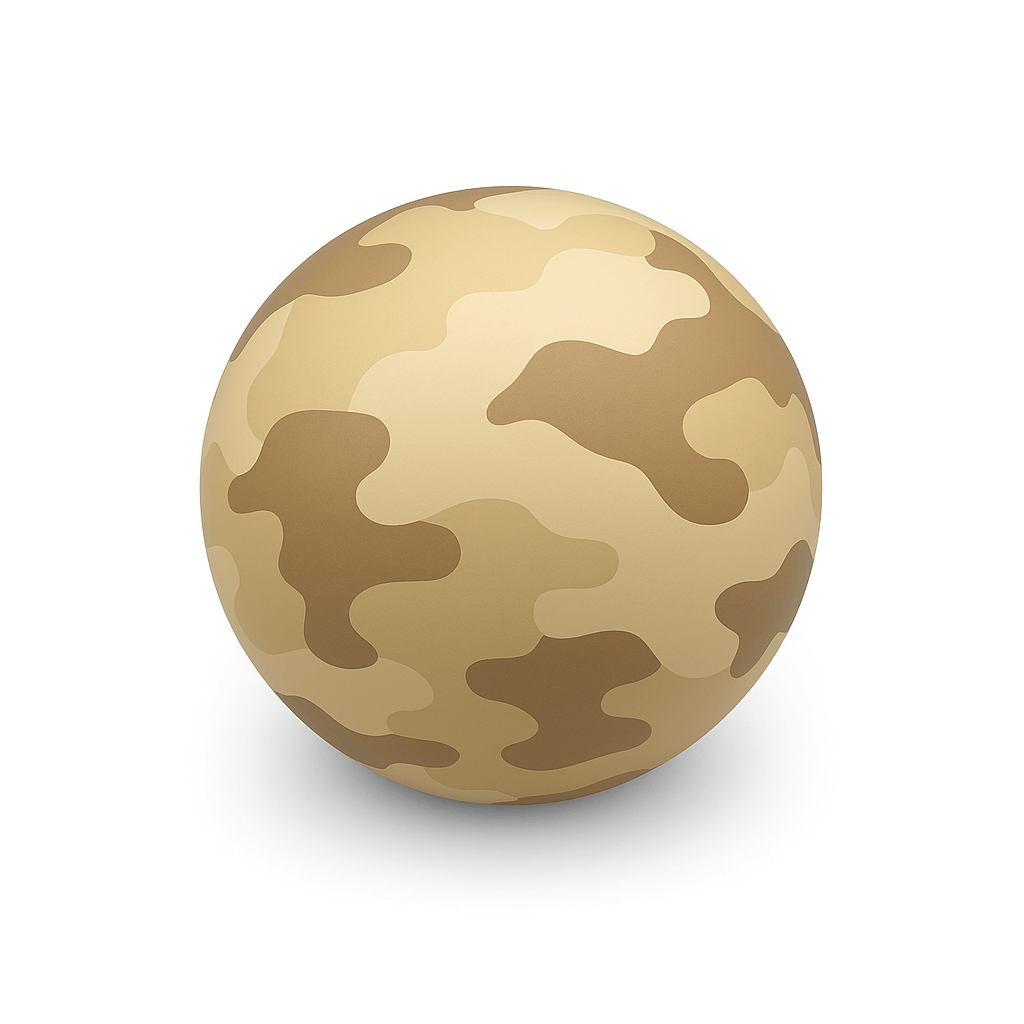
Not all TPU wraps look the same. While they share the same protective core, the finish you choose can completely change how your car looks on the road.
Here’s how to think about your options.
Clear TPU PPF
If you love your factory paint and just want to keep it that way, this is the go-to.
Clear TPU paint protection film is fully transparent. It adds a protective layer without changing your car’s original color. You still get the self-healing and impact resistance, just without any visual transformation.
Best for: preserving OEM paint and resale value.
Color TPU PPF
Want protection and a color change at the same time?
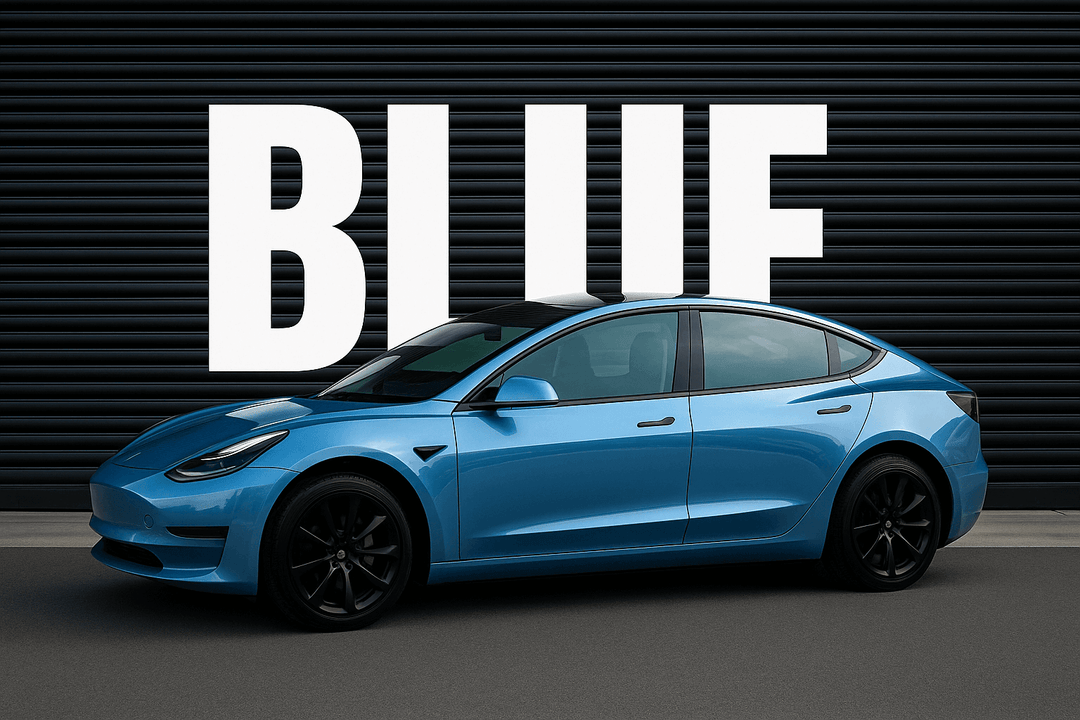
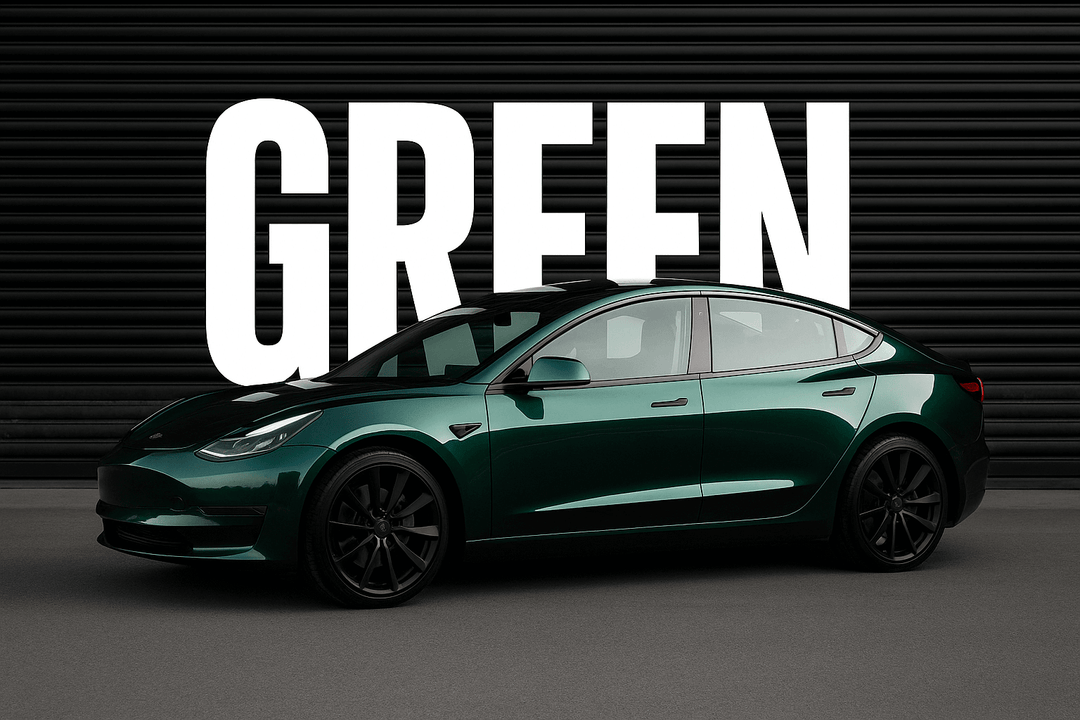
Color TPU combines the thickness and durability of paint protection film with built-in pigments. That means you can restyle your car while still getting self-healing and long-term protection, something traditional vinyl wraps can’t offer.
Best for: drivers who want both customization and protection in one step.
Gloss TPU
This finish is all about shine.
Gloss TPU enhances the depth and clarity of your paint, giving it a wet, polished look. It’s one of the most popular choices because it makes the car look freshly detailed all the time.
Best for: a clean, showroom-style finish.
Matte TPU
Matte changes the personality of your car instantly.
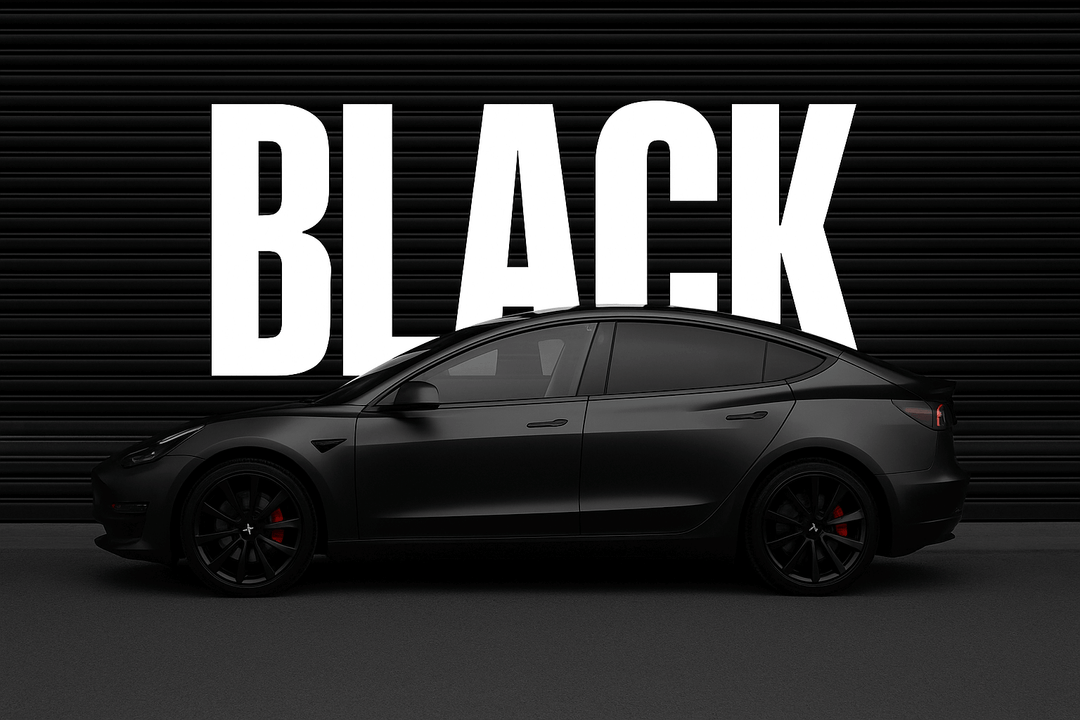
It removes reflections and gives the surface a flat, understated look. At the same time, it still protects your paint underneath, which is something a traditional matte repaint can’t easily do.
Best for: a modern, stealth appearance.
Satin TPU
Satin sits right between gloss and matte.
You get a soft sheen without the high reflection of gloss or the flatness of matte. It’s subtle, refined, and works well on both luxury and performance vehicles.
Best for: a balanced, premium look.
Iridescent TPU
This is where things get more eye-catching.
Iridescent TPU shifts colors depending on light and viewing angle, creating a dynamic, almost fluid effect. Your car won’t look the same twice throughout the day.
Best for: standing out without going over the top.
Color Shift TPU
Similar to iridescent, but often more dramatic.
Color shift TPU transitions between distinct colors as you move around the car. It delivers a bold, custom look while still offering the protection TPU is known for.
Best for: bold styling and unique builds.
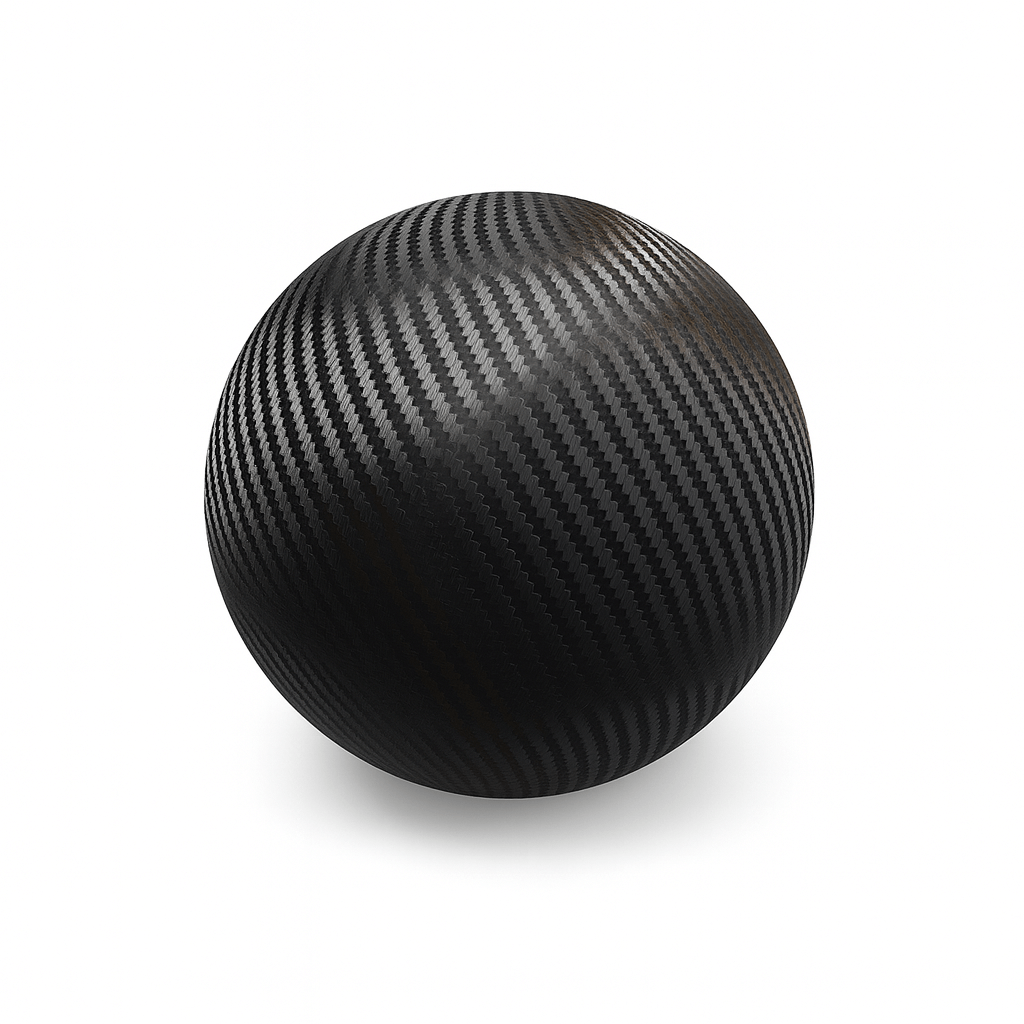
Carbon Fiber TPU
Love the performance look?
Carbon fiber TPU mimics the texture and pattern of real carbon fiber while adding a protective layer. It gives your car a sporty edge without the cost of actual carbon components.
Best for: accent panels, hoods, roofs, and performance-inspired styling.
How Much Does TPU Car Wrap Cost?
Let’s get straight to it.
TPU car wraps are not the cheapest option on the market. But they’re not designed to be. You’re paying for durability, protection, and long-term value.
Average Cost Breakdown
For a full TPU wrap, most car owners can expect:
-
Full car wrap: $3,500 – $8,000+
-
Partial wrap (front end, hood, bumper): $800 – $2,500
High-end installations, especially on luxury or larger vehicles, can go even higher depending on complexity and finish.
For comparison, standard vinyl wraps usually fall between $2,000 and $5,000, depending on vehicle size and quality.
What Actually Affects the Price?
Here’s what drives the cost up or down.
1. Vehicle Size
A compact sedan will cost less than an SUV or truck. More surface area means more material and more labor.
2. Wrap Coverage
A full wrap costs significantly more than wrapping just high-impact areas like the hood or front bumper.
3. Material Quality
TPU is more expensive than PVC or TPH because of its self-healing properties and longer lifespan.
4. Installation Skill
This one matters more than most people think. TPU is harder to install than vinyl, so experienced installers charge more, but the results last longer and look better.
5. Design and Finish
Special finishes like matte, satin, or color-shift TPU can increase the total price.
Is TPU Worth the Higher Cost?
Here’s the real question.
At first glance, TPU costs more than vinyl. But when you factor in lifespan, it starts to make sense.
-
TPU lasts 7 to 10 years
-
Vinyl may only last 1 to 3 years
That means you might replace a vinyl wrap two or three times in the same period.
So instead of asking “How much does it cost?”, the better question is:
How much does it cost over time?
In many cases, TPU ends up being the smarter long-term investment, especially if you care about protecting your paint and maintaining resale value.
TPU Wrap Pros and Cons
Before you decide, it helps to look at both sides.
TPU wraps offer some of the best protection available today, but they’re not perfect for everyone. Here’s how to think about the trade-offs.
Pros of TPU Wrap
1. Self-healing surface
Light scratches and swirl marks don’t stay visible for long. With heat, the surface can recover on its own, which keeps your car looking cleaner over time.
2. Strong paint protection
TPU acts as a barrier against rock chips, road debris, UV rays, and chemical stains. It helps preserve your original paint and reduces long-term damage.
3. Long lifespan
With proper care, TPU wraps typically last 7 to 10 years. That’s significantly longer than most vinyl options.
4. Premium finish
Whether you choose gloss, matte, or satin, TPU delivers a smooth, high-end look that enhances your vehicle rather than covering it up.
5. Lower maintenance
The surface resists dirt and grime, making it easier to clean. You spend less time worrying about keeping your car in good condition.
Cons of TPU Wrap
1. Higher upfront cost
TPU is more expensive than PVC or TPH wraps. The material itself costs more, and installation requires higher skill.
2. Professional installation recommended
Unlike vinyl, TPU is harder to work with. DIY installation can lead to poor results, so most people rely on experienced installers.
3. Limited extreme styling options
While TPU offers color and finish options, it still doesn’t match the full range of designs available with vinyl wraps, especially for highly customized graphics.
4. Not ideal for short-term use
If you only want a temporary style change for a year or two, TPU may not make financial sense compared to cheaper alternatives.
Conclusion
By now, you’ve probably realized that TPU car wraps are not just another styling option. They’re a long-term solution for protecting your paint while upgrading how your car looks.
If you want something that can handle daily wear, resist damage, and still keep a clean, premium finish, TPU stands out. It lasts longer than traditional vinyl, offers self-healing benefits, and helps maintain your vehicle’s value over time. That combination is what makes it worth considering.
Of course, it’s not for everyone. If your goal is a quick, low-cost color change, other materials may make more sense. But if you’re thinking long term and want both protection and aesthetics in one upgrade, TPU is hard to ignore.
Ready to Upgrade Your Car?
If you’re ready to protect your paint and give your vehicle a fresh new look, now is the time to explore your options.
Browse our collection of premium TPU wraps and find the finish that fits your style. Whether you prefer a clean gloss, a subtle satin, or a bold color shift, there’s a solution that matches your vision.
Upgrade your car with confidence and give it the protection it deserves.
FAQs
How long does TPU wrap last?
In most cases, a TPU wrap lasts 7 to 10 years with proper care. Factors like climate, driving conditions, and maintenance all play a role. Cars exposed to strong sun or harsh weather may see slightly shorter lifespans, while well-maintained vehicles can stay protected for years without noticeable wear.
Does TPU wrap yellow?
High-quality TPU wraps are designed to resist yellowing, even with long-term UV exposure. That said, lower-quality films or poor installation can still lead to discoloration over time. Choosing a premium product and proper installation makes a big difference.
Can you remove TPU wrap safely?
Yes, TPU wraps can be removed safely without damaging the original paint, as long as the paint is in good condition before installation. Professional removal is recommended to avoid adhesive residue or unnecessary risk.
Is TPU the same as PPF?
Not exactly.
TPU is a material, while PPF (paint protection film) is a category of product. Most high-end PPF today is made from TPU, which is why the terms are often used interchangeably. So when people say TPU wrap, they’re usually referring to TPU-based PPF.
Which is better, PPF or TPU?
In most cases, TPU is the better option because it’s the material used in modern, high-quality PPF. Compared to older materials, TPU offers better flexibility, stronger protection, and true self-healing properties.
Is TPU material better than vinyl?
If your goal is protection, then yes.
TPU is more durable, offers self-healing, and provides better resistance to UV rays and damage. Vinyl, on the other hand, is more affordable and offers more design flexibility, but it doesn’t provide the same level of protection.
What is the difference between TPU wrap and PET wrap?
The main difference is performance.
TPU is soft, flexible, and self-healing, which makes it ideal for long-term paint protection. PET wraps are more rigid and typically used as a top coating or budget alternative. They lack true self-healing and don’t perform as well under impact or long-term exposure.