
Color PPF vs Paint: Which Is Better for Your Car?
Changing your vehicle’s color can completely transform its appearance, but choosing between Color PPF and automotive paint involves more than picking a finish you like. The two options differ in cost, durability, protection, maintenance, installation time, and how easily you can return your vehicle to its original appearance.
Color Paint Protection Film (Color PPF) combines color customization with a protective layer over your factory paint. Made with flexible TPU, it can help protect against rock chips, scratches, UV exposure, and everyday road contaminants while offering finishes ranging from gloss and matte to metallic and color-shifting. Automotive paint, on the other hand, creates a permanent new finish and can be an excellent choice for restoration or long-term customization.
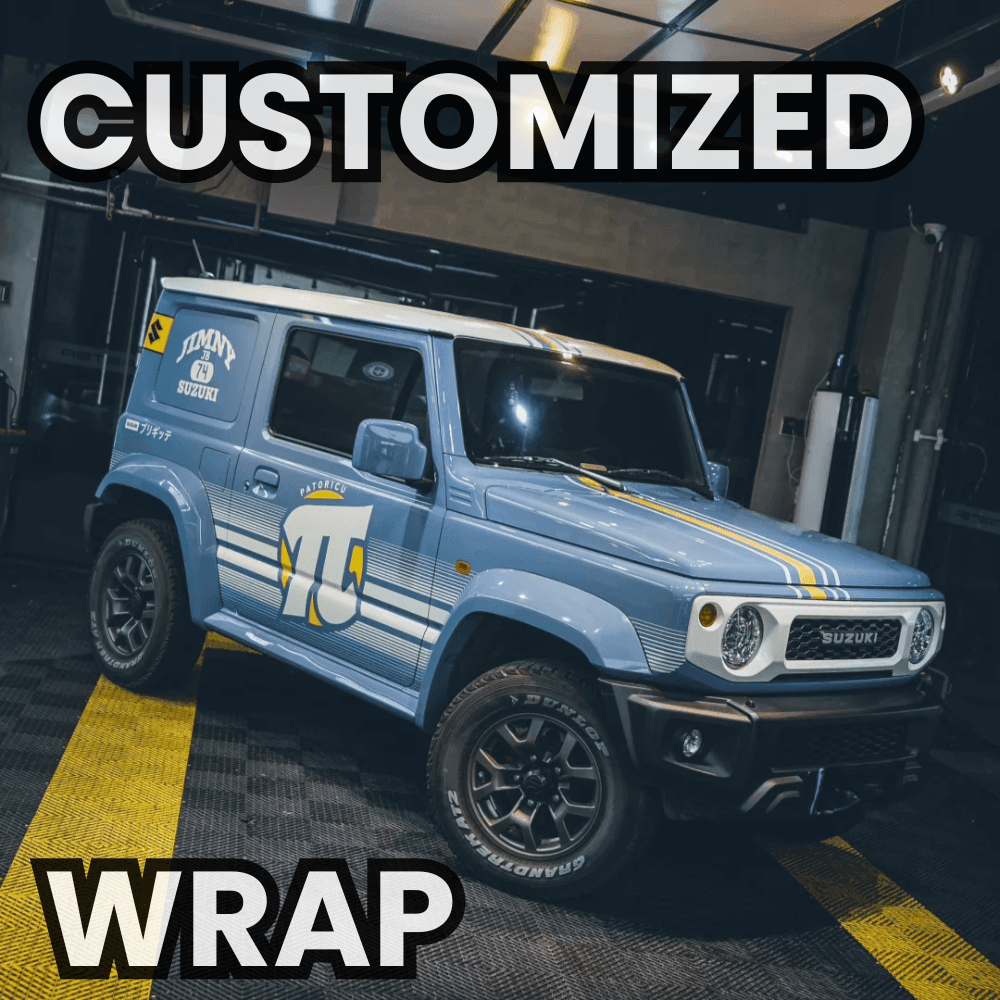
So, is Color PPF better than paint? For drivers who want to change their car’s color while preserving the original paint underneath, Color PPF offers a versatile alternative to a traditional paint job. In this guide, we’ll compare Color PPF vs paint by cost, appearance, protection, lifespan, maintenance, installation time, reversibility, and resale considerations to help you choose the right option for your vehicle.

Color PPF vs Paint: What's the Difference?
The main difference between Color PPF and automotive paint is how they change and protect your vehicle’s finish. Automotive paint is applied directly to the vehicle’s body and becomes a permanent part of the exterior finish. Color PPF, or Color Paint Protection Film, is a removable protective layer installed over the existing paint, letting you to change your car’s appearance while helping protect the original finish underneath.
Color PPF is typically made from thermoplastic polyurethane (TPU), a flexible material designed to absorb everyday impacts and resist surface damage. Unlike traditional vinyl wrap, TPU-based Color PPF combines color customization with paint protection, making it suitable for drivers who want both a new look and added protection for their vehicle.
Paint offers greater permanence and is often preferred for restoration, body repairs, or permanent custom finishes. However, once a vehicle is repainted, returning to the original factory finish requires another paint job. Color PPF provides greater flexibility because the film can be removed when you want to change the color or reveal the original paint.
|
Feature |
Color PPF |
Automotive Paint |
|
Changes vehicle color |
Yes |
Yes |
|
Protects original paint |
Yes |
No |
|
Rock chip protection |
High |
Limited |
|
Scratch resistance |
High |
Depends on paint system |
|
Removable |
Yes |
No |
|
Installation time |
Generally faster |
Generally longer |
|
Finish options |
Gloss, matte, satin, metallic, color-shifting |
Extensive custom options |
|
Preserves factory paint |
Yes |
No |
|
Reversible |
Yes |
No |
|
Best suited for |
Color change + paint protection |
Permanent refinishing and restoration |
In short, paint permanently changes the vehicle’s finish, while Color PPF changes the appearance while adding a protective layer over the factory paint.
Color PPF vs Paint: Cost Comparison
Cost is one of the biggest factors when deciding between Color PPF and automotive paint. At first glance, a professional Color PPF installation and a high-quality paint job can fall within a similar price range, but each option offers different long-term value. When comparing Color PPF vs paint cost, consider not only the initial installation price but also paint preservation, maintenance, durability, reversibility, and potential resale benefits.
How Much Does Color PPF Cost?
A full professional Color PPF installation typically costs around $5,000 to $8,000, depending on the vehicle’s size, body shape, film type, finish, coverage, and installation complexity.
Color PPF can cost more than a standard vinyl wrap, which may range from approximately $2,500 to $4,000, but Color PPF provides an additional layer of protection that traditional vinyl does not offer to the same extent. The film changes the vehicle’s color while helping shield the factory paint from everyday road hazards such as rock chips, scratches, and environmental contaminants.
The final price can also vary based on whether you choose a standard gloss finish, matte or satin finish, metallic film, or a specialty color-shifting option.
How Much Does It Cost to Paint a Car?
The cost of painting a car varies dramatically depending on the quality of the paint system, preparation work, vehicle size, color change, and body shop. A basic or budget paint job may cost around $2,000 or less, while a professional, high-quality repaint can reach $5,000 to $20,000 or more for extensive preparation and custom work.
A quality repaint can involve substantial labor, including sanding, surface preparation, masking, primer application, base coat, clear coat, curing, and removal or reinstallation of exterior trim. A complete color change can become even more expensive when areas such as door jambs or the engine bay also need to be refinished.
Unlike Color PPF, the money spent on a repaint does not provide a removable protective layer over the original finish. Once the vehicle is repainted, returning to the previous color requires another refinishing process.
Long-Term Ownership Cost
The initial price is only part of the Color PPF vs paint cost comparison. Long-term ownership can also include maintenance, repairs, refinishing, and the value of preserving the vehicle’s original paint.
Color PPF can provide additional value because it is removable and designed to protect the factory finish underneath. If the film becomes worn after years of use, it can be replaced without requiring the entire vehicle to be repainted. This can also be beneficial for owners of luxury, performance, or collectible vehicles who want to preserve their original paint.
Paint, by comparison, can last for many years when properly maintained, but damage such as deep scratches, rock chips, fading, or clear-coat failure may eventually require localized repairs or refinishing. A repaint is also permanent, making future color changes more involved.
Color PPF vs Paint: Appearance & Finish
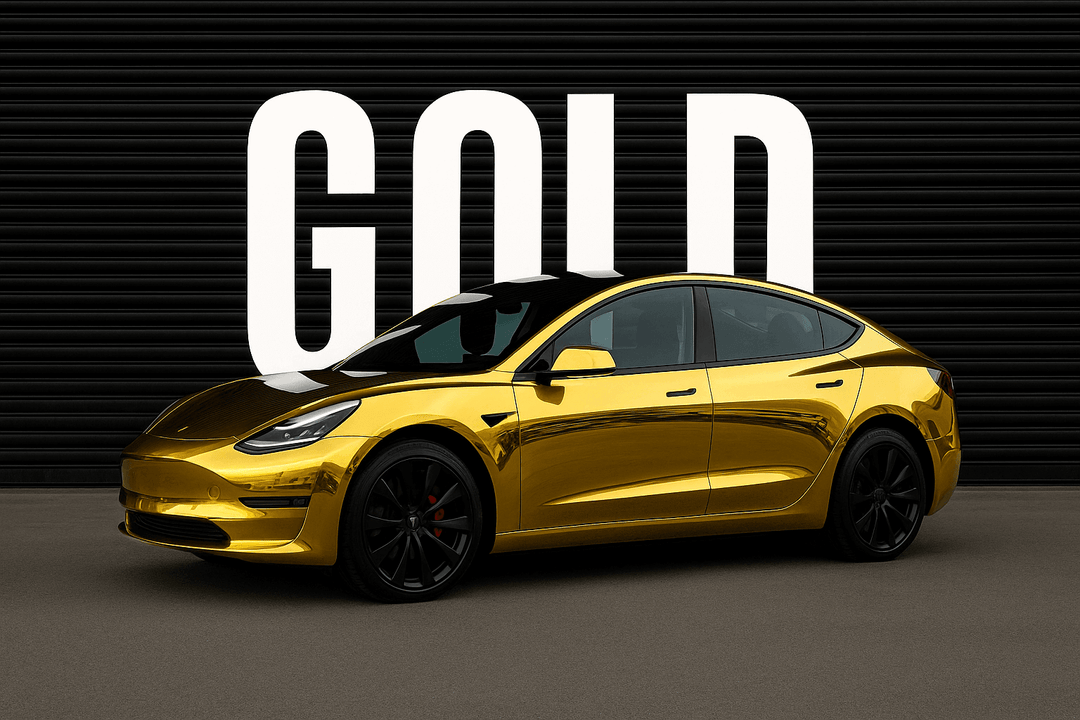
Modern Color PPF has evolved far beyond the basic protective films of the past, offering rich color, high gloss, smooth surfaces, and specialty finishes that can create a visual effect similar to a professionally painted vehicle.
Does Color PPF Look Like Paint?
Yes. High-quality Color PPF can closely replicate the depth, gloss, and visual impact of automotive paint, particularly when professionally installed. A smooth, properly applied film can create a clean, reflective surface while eliminating many of the visual imperfections associated with an aging or poorly maintained paint finish.
Color PPF is also available in a growing range of colors and surface effects, making it possible to achieve everything from understated OEM-style colors to bold custom finishes.
Gloss Color PPF
Gloss Color PPF is one of the closest alternatives to a traditional glossy paint finish. Its highly reflective surface can create the deep, wet-look appearance many vehicle owners want from a high-end paint job.
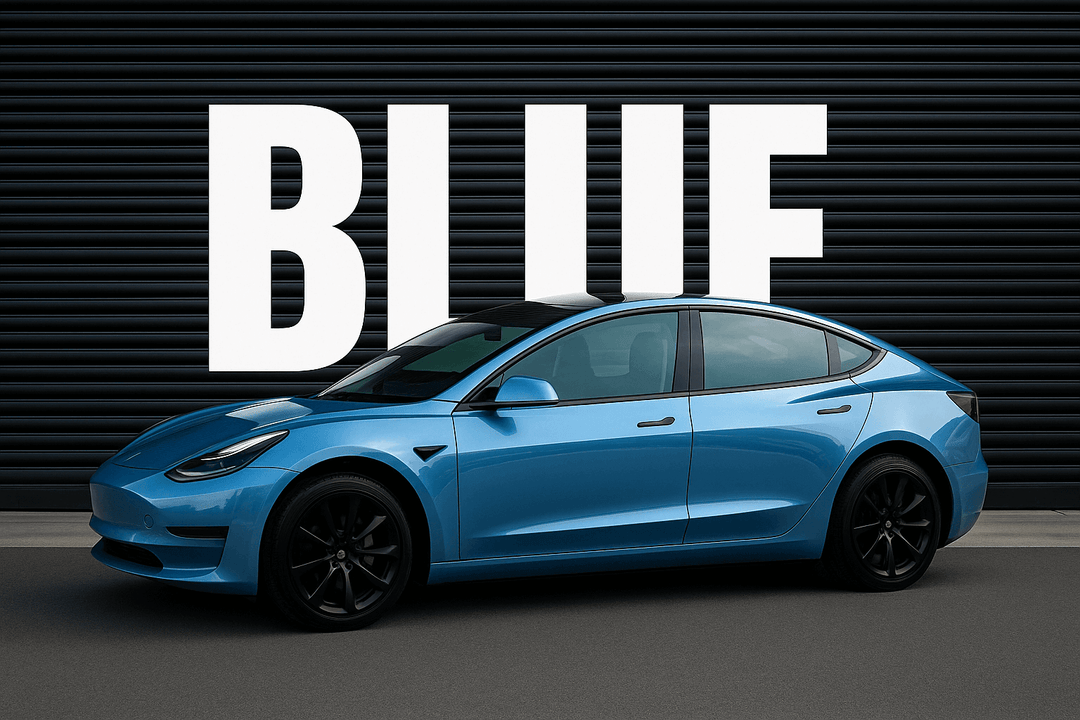
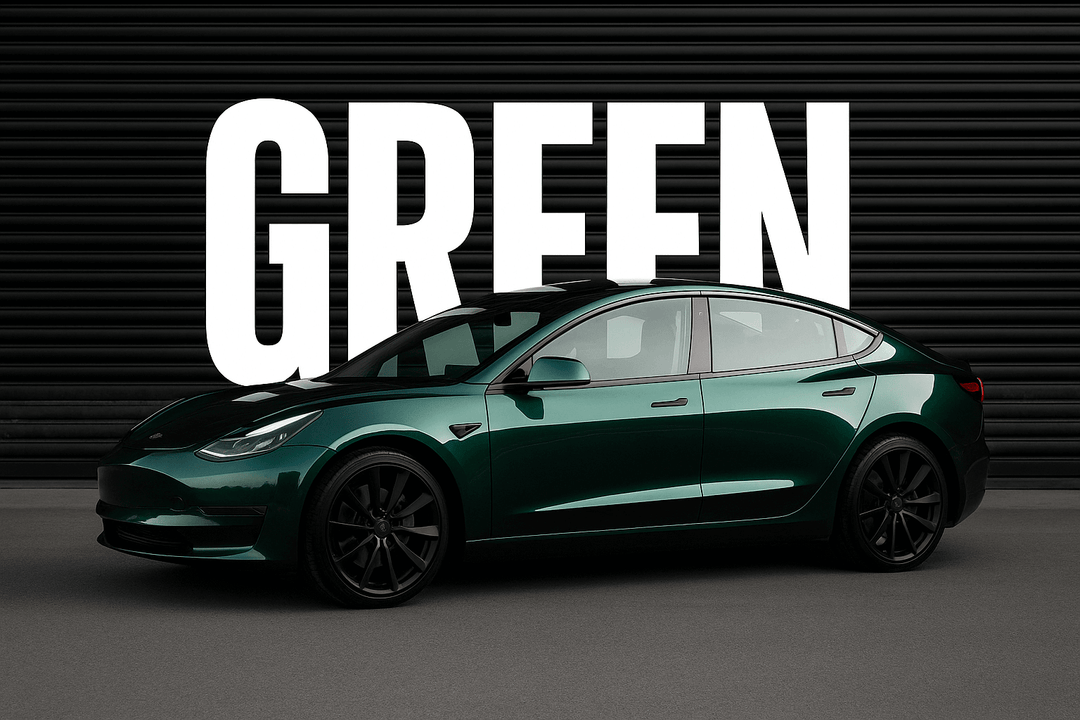
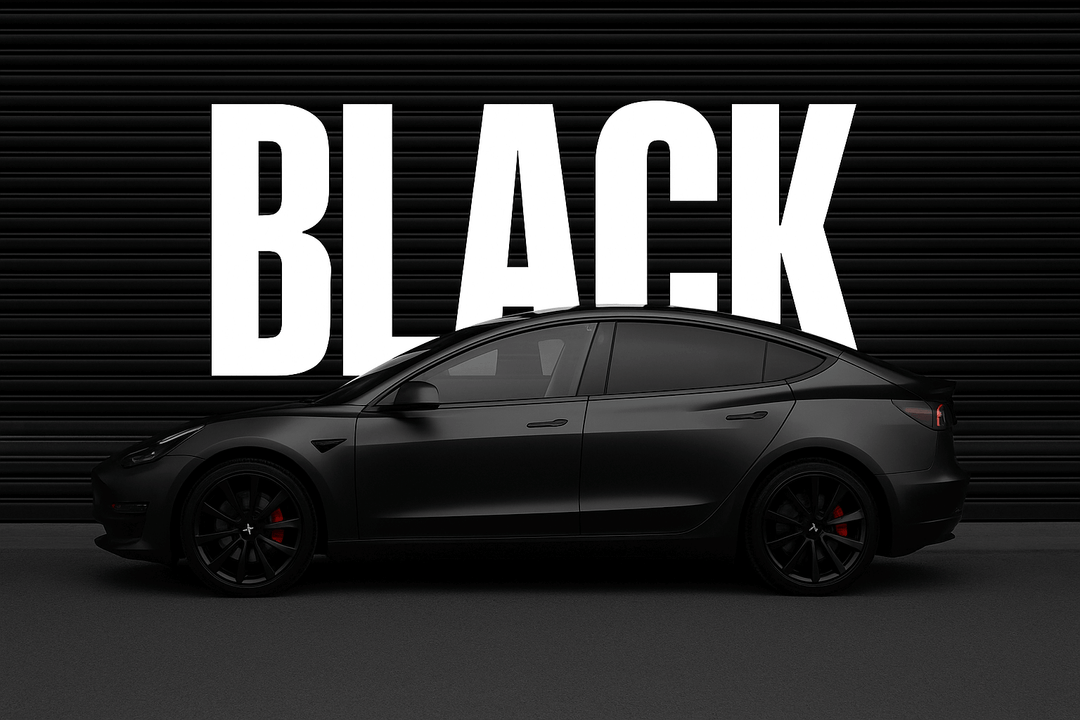
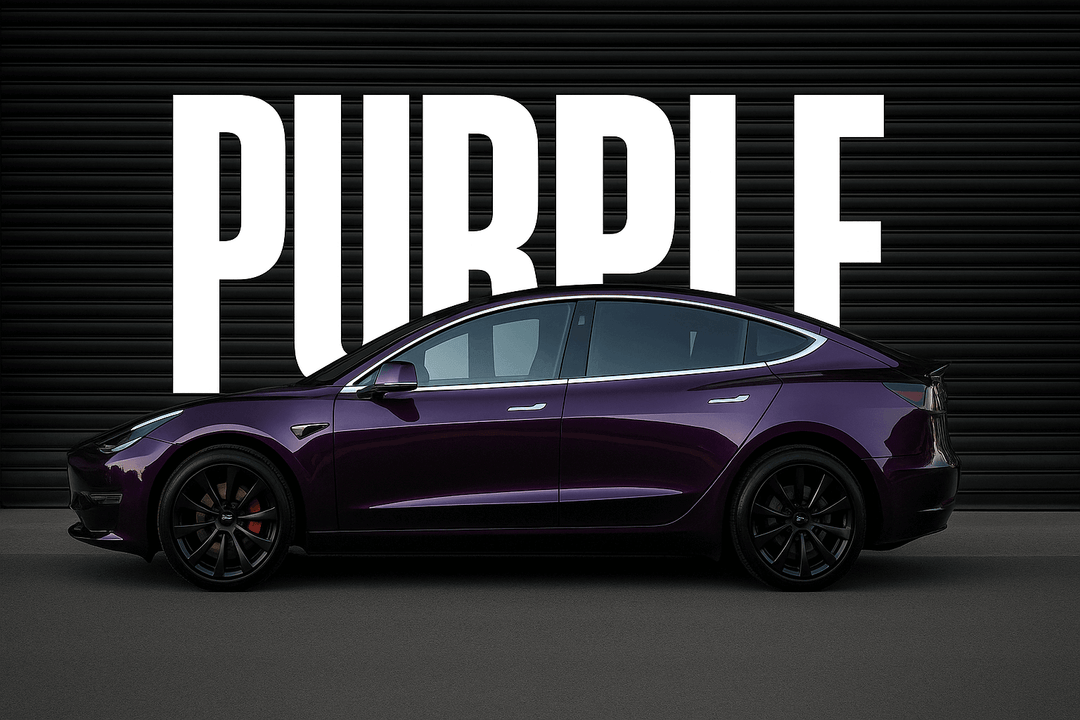
Gloss Color PPF is available in a wide variety of colors, from classic black and white to vibrant reds, blues, purples, greens, and specialty shades.
For drivers who want high shine, strong color depth, and paint-like reflections while adding paint protection, gloss Color PPF offers an attractive alternative to gloss paint.
Matte Color PPF
Matte Color PPF creates a completely different visual effect from gloss finishes. Instead of reflecting light like a traditional glossy surface, its low-sheen appearance gives the vehicle a more understated, modern, and aggressive aesthetic.
Matte paint can achieve a similar appearance, but Color PPF offers an important advantage: the matte finish is removable and can help protect the original paint underneath.
Matte and satin Color PPF can also be easier to maintain than trying to restore a damaged matte paint finish, where localized repairs may create visible differences in texture or sheen.
Metallic & Color-Shifting Finishes
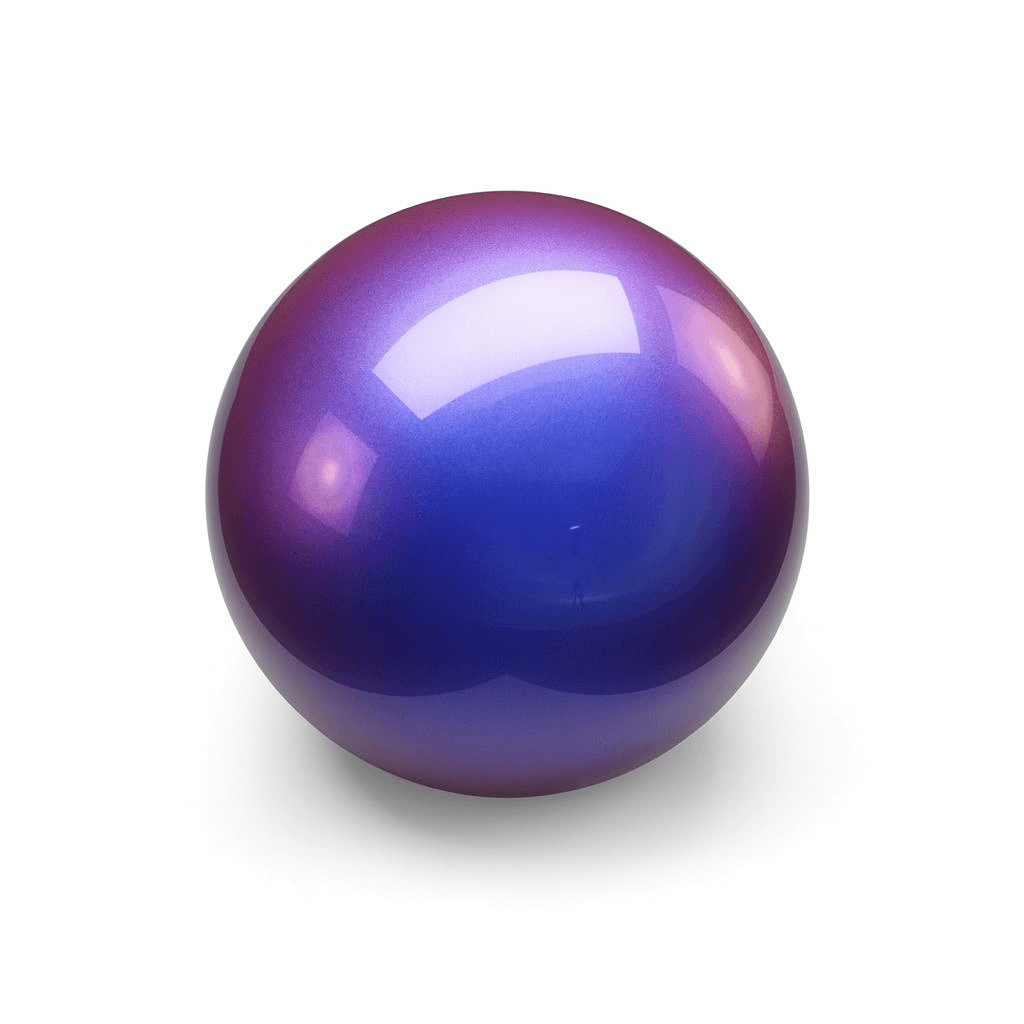
For owners looking for something more distinctive, metallic and color-shifting Color PPF can create effects that go beyond a conventional paint color. Metallic films use reflective particles or specialized finishes to add depth and visual dimension, while color-shifting films change their perceived color depending on the viewing angle and lighting conditions.
Yeswrap’s Color PPF is available in a wide selection of finishes, including gloss, matte, satin, metallic, and color-shifting effects. Giving you the freedom to create a highly customized appearance while retaining the underlying factory paint.
Color PPF vs Paint: Protection
Paint provides the vehicle’s primary exterior finish, but it remains exposed to road debris, scratches, UV rays, and environmental contaminants. Color PPF adds a sacrificial layer over the paint that is designed to absorb everyday surface damage while helping preserve the finish underneath.
Rock Chip Protection
Rock chips are one of the most common causes of damage to a vehicle’s front bumper, hood, fenders, and side mirrors. Automotive paint can be chipped when stones and other road debris strike the surface, potentially exposing the layers underneath.
Color PPF provides a thicker protective layer between the road and the vehicle’s original paint. Its flexible TPU construction can absorb and distribute the force of minor impacts, helping reduce the risk of rock chips and other surface damage.
This makes Color PPF particularly useful for daily drivers, performance cars, and vehicles frequently driven on highways or roads with loose gravel and debris. While no film can prevent every type of damage, Color PPF offers substantially more impact protection than relying on paint alone.
Scratch Protection
Everyday contact with road debris, car-wash equipment, keys, branches, and other objects can leave scratches or swirl marks on automotive paint. Once the clear coat is damaged deeply enough, repairing the affected area may require polishing, touch-up work, or refinishing.
Color PPF acts as a sacrificial surface layer, taking much of this everyday wear instead of the factory paint. Minor surface marks can often be less noticeable on a quality film, while the original paint remains protected underneath.
For vehicle owners who want to maintain a clean finish with less concern about everyday surface damage, Color PPF can provide an important advantage over paint alone.
UV Protection
Long-term exposure to sunlight can gradually affect automotive finishes, contributing to fading, oxidation, and deterioration of the surface over time. The level of UV resistance depends on the quality of the paint system and the protective products applied to it.
Color PPF adds another layer between the vehicle’s original paint and environmental exposure. High-quality films are designed to resist UV-related degradation while helping maintain their color and finish during normal use.
Self-Healing Properties
Modern Color PPF products feature self-healing top coats designed to reduce the appearance of minor surface scratches and swirl marks. When exposed to heat from sunlight or warm water, the top layer can soften and recover from certain light surface imperfections.
utomotive paint does not have the same self-healing film technology, so light scratches typically require polishing or other corrective detailing.
However, self-healing technology has limitations. It is designed for minor surface marks rather than deep scratches, punctures, or significant impact damage.
Color PPF vs Paint: Durability & Lifespan
How Long Does Color PPF Last?
High-quality Color PPF can typically last around 7 to 10 years with proper installation and routine care. The actual lifespan depends on the quality of the film, climate, exposure to sunlight, maintenance habits, and how the vehicle is used.
Because Color PPF is a protective film, it is expected to experience normal wear over time. Prolonged UV exposure, harsh chemicals, frequent exposure to road debris, and improper washing can gradually affect the film’s appearance and performance.
How Long Does Car Paint Last?
Automotive paint can also remain in good condition for many years, particularly when the vehicle is properly washed, protected, and stored away from harsh environmental conditions. However, its lifespan varies significantly depending on the quality of the original paint, climate, UV exposure, maintenance, and previous repairs or refinishing.
Unlike Color PPF, paint does not have a separate sacrificial film layer protecting the finish from everyday impacts. Rock chips, deep scratches, oxidation, and clear-coat deterioration can permanently affect the painted surface and may require polishing, touch-up work, or professional refinishing.
What Affects PPF Lifespan?
Several factors can influence how long Color PPF lasts:
-
Film quality: High-quality TPU films are generally engineered for greater durability, color stability, and resistance to environmental exposure.
-
Installation quality: Proper surface preparation and professional installation can help prevent premature edge lifting, contamination, and other installation-related issues.
-
UV exposure: Constant exposure to intense sunlight can accelerate the aging of any exterior automotive material.
-
Climate: Extreme heat, cold, humidity, and frequent temperature changes can affect the film over time.
-
Washing habits: Regular cleaning with appropriate automotive products helps prevent contaminants from accumulating on the film.
-
Chemical exposure: Harsh cleaners, aggressive solvents, and prolonged contact with acidic contaminants can damage the film’s finish.
-
Driving conditions: Frequent highway driving, gravel roads, and heavy road debris can increase the amount of wear the film experiences.
-
Maintenance: Promptly removing bird droppings, bugs, tree sap, and road tar can help maintain the film’s appearance and protective properties.
Color PPF vs Paint: Maintenance
Both Color PPF and paint require regular cleaning to preserve their appearance, but Color PPF is designed with a protective top layer that can make routine care more straightforward. Its non-porous and hydrophobic surface helps water, dirt, and many common contaminants remain on the surface rather than becoming deeply embedded.
Automotive paint can also be relatively easy to maintain with proper care, but preserving a high-quality finish may require more frequent detailing, polishing, waxing, or paint protection treatments as the surface ages.
Color PPF Maintenance
Maintaining Color PPF starts with regular, gentle washing. A hand wash using a pH-neutral automotive soap and a clean microfiber wash mitt is ideal for removing dirt without unnecessarily stressing the film.
Touchless automatic car washes can also be suitable for many Color PPF applications, provided they do not use aggressive chemicals or excessive pressure. For pressure washing, keep the nozzle at a safe distance from the surface and avoid spraying directly at film edges, as excessive pressure can potentially lift or damage the edges.
Common contaminants such as bird droppings, bug splatter, tree sap, and road tar should be removed as soon as practical. Although quality Color PPF is designed to resist staining and environmental damage, prolonged exposure to acidic or aggressive contaminants can eventually affect the film’s finish.
Paint Maintenance
Automotive paint also benefits from regular washing and proper protection. Routine washing helps remove dirt, road salt, bird droppings, bugs, and other contaminants before they can affect the finish.
Depending on the condition of the paint, owners may also use wax, paint sealants, ceramic coatings, or polishing products to maintain gloss and protect the clear coat. Minor scratches and swirl marks can often be corrected through paint polishing, but deeper damage may require touch-up paint or professional refinishing.
As paint ages, exposure to UV rays, environmental contaminants, improper washing, and road debris can gradually affect its appearance. Maintaining an older painted finish may therefore require more intensive detailing than simply keeping a protective film clean.
Color PPF vs Paint: Installation Time
Both options require careful preparation and skilled work, but a Color PPF installation generally involves less extensive disassembly and surface preparation than a complete vehicle repaint. This can significantly reduce the amount of time your vehicle spends off the road.
How Long Does Color PPF Installation Take?
A full-vehicle Color PPF installation typically takes around 1 to 3 days for a professional installer, although the exact timeframe depends on the vehicle’s size, body design, coverage, film type, and installation complexity.
Before installation, the vehicle needs to be thoroughly cleaned and prepared to ensure the film bonds properly to the surface. The installer then carefully applies the Color PPF to each panel, aligns the film, works out air or application fluid, and finishes the edges for a clean appearance.
How Long Does a Full Car Paint Job Take?
A professional full-car paint job can take anywhere from several days to several weeks, depending on the condition of the vehicle and the quality of the desired finish. A high-quality color change generally requires considerably more preparation than simply applying a new exterior layer.
The process may include:
-
Thorough vehicle inspection and surface preparation
-
Sanding and removal of imperfections
-
Bodywork or dent repair when necessary
-
Removal or masking of exterior trim and components
-
Primer application
-
Base-coat application
-
Clear-coat application
-
Curing and drying
-
Sanding and polishing
-
Reassembly and final finishing
A simple repaint may be completed relatively quickly, while a high-end custom color change can take much longer, particularly when door jambs, interior edges, engine bays, or other areas also need to be refinished.
Color PPF vs Paint: Pros and Cons
Comparing the advantages and disadvantages of each option can make it easier to determine which solution fits your priorities.
Color PPF Pros
Protects Original Paint
Color PPF adds a protective layer over the vehicle’s factory finish, helping shield the original paint from rock chips, scratches, UV exposure, and everyday road contaminants.
Removable
Unlike paint, Color PPF can be removed when you want to change the vehicle’s appearance or return to the original factory color, provided the underlying paint is in suitable condition and the film is removed correctly.
Rock Chip Protection
The TPU film provides an additional barrier against road debris and minor impacts, making Color PPF particularly useful for vehicles frequently driven on highways or roads with loose gravel.
Scratch Resistance
Color PPF acts as a sacrificial surface layer that can help protect the paint from light scratches, swirl marks, and everyday surface wear.
Multiple Colors
Color PPF is available in a wide range of colors and finishes, including gloss, matte, satin, metallic, and color-shifting options. This allows owners to customize their vehicles without committing to a permanent repaint.
Faster Installation
A full Color PPF color change can generally be completed faster than a high-quality full-car repaint because it does not require the same extensive painting, curing, and refinishing process.
Easy Maintenance
Quality Color PPF can be relatively easy to maintain with regular washing and proper cleaning products. Hydrophobic top coats can also help water and dirt roll off the surface more easily.
Self-Healing Options
Some Color PPF products feature self-healing top coats that can reduce the appearance of minor surface scratches and swirl marks when exposed to appropriate levels of heat.
Color PPF Cons
Higher Upfront Cost Than Vinyl
Color PPF generally costs more than a standard vinyl wrap because it combines color customization with the protective properties of TPU-based paint protection film.
Requires Professional Installation for Best Results
Color PPF is thicker and requires careful application, alignment, and edge finishing. Professional installation can help achieve a smoother appearance and reduce issues such as bubbles, contamination, and edge lifting.
Film Has a Finite Lifespan
Unlike automotive paint, Color PPF is not intended to last indefinitely. Depending on film quality, installation, climate, exposure, and maintenance, quality Color PPF can typically provide several years of service before replacement may be necessary.
Installation Quality Matters
The final appearance and durability of Color PPF depend heavily on proper surface preparation and installation. Poor application can result in visible edges, lifting, contamination, or premature wear.
Some Complex Repairs May Require Panel Replacement
If the film is severely damaged by a significant impact, the affected section may need to be removed and replaced. Deep damage to the underlying vehicle panel can also require conventional body repair before new film is installed.
Paint Pros
Permanent
Automotive paint provides a permanent color change without the need for a removable film layer. This makes it suitable for owners who want their chosen color to remain on the vehicle long-term.
Excellent Customization Possibilities
Paint offers extensive possibilities for custom colors, finishes, graphics, and specialized effects. Professional custom paintwork can be tailored to highly specific design requirements.
Suitable for Restoration
For vehicles requiring significant refinishing or restoration, paint can be the appropriate solution. It can restore damaged panels and create a new, uniform finish across the vehicle.
No Film Edges
Because paint is applied directly to the vehicle’s body, there are no film edges, seams, or areas where a protective film may lift or require replacement.
Paint Cons
Expensive
A high-quality full-car repaint can involve extensive preparation and labor, making professional paintwork a significant investment, particularly for complete color changes or custom finishes.
Permanent
The permanence of paint can also be a disadvantage. Once the vehicle is repainted, changing back to the previous color requires another paint process.
Does Not Provide a Separate Protective Layer Against Rock Chips
Paint provides the vehicle’s exterior finish, but it does not add a sacrificial film layer comparable to Color PPF. Rock chips and other impacts can therefore directly damage the painted surface.
Longer Installation Time
A quality repaint can require extensive preparation, multiple coating stages, curing, sanding, polishing, and reassembly. A complete color change may therefore keep the vehicle in a body shop significantly longer than a Color PPF installation.
Factory Paint Is Removed or Altered
Repainting changes the vehicle’s original finish. For owners of luxury, performance, or collector vehicles where factory paint and originality are important, this can be an important consideration.
More Difficult to Reverse
A painted color change is not easily reversible. Returning the vehicle to its previous color generally requires another repaint rather than simply removing a film.
Color PPF vs Paint: Which Is Better?
The better choice between Color PPF and paint ultimately depends on what you want to achieve with your vehicle. If your goal is to change the color while also protecting and preserving the original factory finish, Color PPF is generally the more versatile option. It combines color customization with a protective layer, offers a wide range of finishes, and can be removed when you want to return to the original paint.
Paint remains the better choice when you want a permanent color change, professional refinishing, or restoration work. It becomes part of the vehicle’s exterior finish and offers extensive options for custom colors and paint effects without the presence of a film layer.
Choose Color PPF If You Want:
-
Color change + paint protection in one solution
-
Protection against rock chips, scratches, and everyday road wear
-
To preserve your original factory paint
-
A removable and reversible color change
-
Gloss, matte, satin, metallic, or color-shifting finishes
-
A faster installation process than a complete repaint
-
Self-healing properties with applicable films
-
Greater flexibility to change your vehicle’s appearance again later
Choose Paint If You Want:
-
A permanent color change
-
Professional restoration or refinishing
-
A traditional painted finish without film edges
-
To repair significant body or paint damage as part of a larger restoration
Frequently Asked Questions
Does Color PPF protect against rock chips?
Yes. Color PPF is designed to provide an additional layer of protection against rock chips and other road debris. Its TPU construction helps absorb and distribute the force of minor impacts, reducing the likelihood of chips reaching the original paint. However, no PPF can prevent all damage from severe impacts.
Can Color PPF be removed?
Yes. High-quality Color PPF is designed to be removable. When properly installed and removed using appropriate techniques, the film can be taken off without permanently changing the vehicle’s original appearance. Professional removal is recommended, especially when the film has been installed for several years.
Does removing PPF damage car paint?
Properly installed, maintained, and professionally removed PPF should not damage healthy factory paint. In fact, one of the primary benefits of Color PPF is protecting the original finish underneath. However, the condition and quality of the underlying paint matter. Repainted, damaged, or poorly bonded surfaces may behave differently during removal.
Is Color PPF better than vinyl wrap?
It depends on your priorities. Color PPF generally provides more paint protection than standard vinyl wrap because it is designed as a protective film and typically uses a thicker TPU construction. Vinyl wrap can be a more budget-friendly option when color customization is the main goal, while Color PPF is better suited to drivers who want both a color change and added protection.
Can you ceramic coat Color PPF?
Yes. A PPF-compatible ceramic coating can be applied over Color PPF to enhance hydrophobic properties and make the film easier to clean. Always confirm that the coating is specifically suitable for PPF and follow the manufacturer’s application instructions.
Can you pressure wash Color PPF?
Yes, but pressure washing should be done carefully. Keep the pressure washer at a safe distance from the film and avoid directing high-pressure water directly at the film edges or seams. Excessive pressure can potentially lift or damage the edges of the film. A gentle wash method is generally the safest approach for maintaining Color PPF.
Is Color PPF good for leased cars?
Color PPF can be a practical option for a leased vehicle because it is removable and can help protect the original paint from everyday road damage. At the end of the lease, the film can potentially be removed to reveal the original finish. Before installation, check your lease agreement and confirm that aftermarket film or modifications are permitted.
Is Color PPF worth it?
Color PPF can be worth it if you want to change your vehicle’s color while also protecting the factory paint. It offers the combined benefits of color customization, rock chip and scratch protection, reversibility, and multiple finish options. The higher upfront cost compared with vinyl wrap may be justified for owners who value paint preservation and long-term protection.
For drivers who only want an inexpensive color change, vinyl wrap may provide better value. For permanent refinishing or restoration, traditional automotive paint may be the more appropriate choice.
Shop Color PPF from Yeswrap
Ready to change your vehicle’s appearance while helping protect the factory paint underneath? Yeswrap Color PPF combines vibrant color customization with the protective performance of TPU-based paint protection film, giving you a practical alternative to traditional repainting.
Choose from a wide range of gloss, matte, satin, metallic, and specialty Color PPF finishes to create the look you want without permanently changing the original paint. With protection against everyday road hazards and the ability to remove the film when you want a different style, Color PPF gives you greater flexibility than a permanent paint job.
Whether you are upgrading a daily driver, customizing a performance car, or preserving a luxury vehicle’s factory finish, explore Yeswrap’s Color PPF collection and find the right color and finish for your next transformation.
Shop Yeswrap Color PPF today and transform your vehicle with color, protection, and flexibility in one film