
Best Carbon Fiber Wrap Buying Guide
Carbon fiber has long been synonymous with performance and precision. The woven texture reflects light in a way that feels technical and purposeful, which is why it often appears on sports cars and performance builds. The challenge is that real carbon fiber parts are expensive and permanent, making them impractical for many drivers who simply want the look.
Carbon fiber vinyl wrap offers a smarter alternative. Today’s films are far more refined than earlier versions. The weave patterns look sharper, gloss finishes have greater depth, and matte or satin options provide a clean, factory-inspired feel. Forged carbon styles add a more aggressive edge for those who want something different.

Still, quality varies widely. A good wrap should deliver realistic texture, strong yet safe adhesive, air-release technology for smooth installation, and clean removal without damaging paint. The difference between a premium film and a budget roll becomes obvious once it is on the car.
This 2026 buying guide will help you understand the types available, how to evaluate quality, what to expect in durability and cost, and which finish best fits your build.
What Is Carbon Fiber Wrap?
Carbon fiber wrap is a vinyl film designed to replicate the distinctive woven pattern of real carbon fiber. Instead of replacing parts with expensive composite materials, you apply this film directly over existing surfaces to achieve a similar visual effect. It delivers the performance-inspired look without the cost, weight, or permanent modification.
Most carbon fiber wraps are made from high-grade PVC or similar flexible materials. The surface may be printed, embossed, or layered to create texture and depth. Higher-end versions add a glossy top layer that mimics the resin coating found on real carbon fiber panels, giving the finish a more realistic, dimensional appearance.
In 2026, the range of styles is broader than ever. You will find 3D, 4D, 5D, and 6D variations that differ in gloss and visual depth, along with matte, satin, forged carbon, and even specialty patterns like honeycomb. Each offers a slightly different personality, from subtle OEM-inspired trim to bold show-car detailing.
Unlike rigid carbon fiber panels, vinyl wrap conforms easily to curves, edges, and complex shapes. It can be applied to hoods, roofs, spoilers, dashboards, motorcycle fairings, helmets, and interior trim pieces. Thanks to air-release adhesive technology, it is accessible for DIY users while still meeting professional installation standards.
Why Choose Carbon Car Wrap Instead of Real Carbon Fiber?
Real carbon fiber has undeniable performance value. It reduces weight and adds structural strength, which is why it is common in motorsport and high-end builds. But for most vehicle owners, the goal is visual impact rather than performance gains. In that case, carbon fiber wrap is often the smarter choice.
Striking Motorsport-Inspired Appearance
A quality carbon wrap recreates the signature woven texture and layered depth that make real carbon fiber so recognizable. From high-gloss finishes with a resin-like shine to subtle matte and forged carbon styles, modern films deliver a convincing performance look without replacing factory panels.
More Cost-Effective Customization
Real carbon fiber parts require manufacturing, paint matching, and professional installation, which can quickly become expensive. Vinyl wrap allows you to upgrade a hood, roof, spoiler, or interior trim at a fraction of the cost. Just as important, it gives you the freedom to change styles later without committing permanently.
Added Surface Protection
Beyond aesthetics, carbon wrap provides an extra layer of defense. It helps shield paint from UV exposure, minor scratches, road debris, and everyday wear. While it is not a replacement for dedicated paint protection film, it still adds meaningful protection in daily driving conditions.
Reversible and Resale-Friendly
One of the biggest advantages is flexibility. When properly installed, carbon fiber wrap can be removed without damaging the original paint. This makes it ideal for leased vehicles or owners who want to preserve resale value.
Types of Carbon Fiber Vinyl Wraps
Carbon fiber vinyl wraps are no longer limited to one standard weave and finish. Over the years, manufacturers have developed multiple variations that differ in depth, shine, texture, and overall character. Choosing the right type depends on how bold you want the finish to appear and where you plan to apply it.
3D, 4D, 5D, and 6D Carbon Fiber Wraps
The “D” levels refer to visual depth and surface realism.
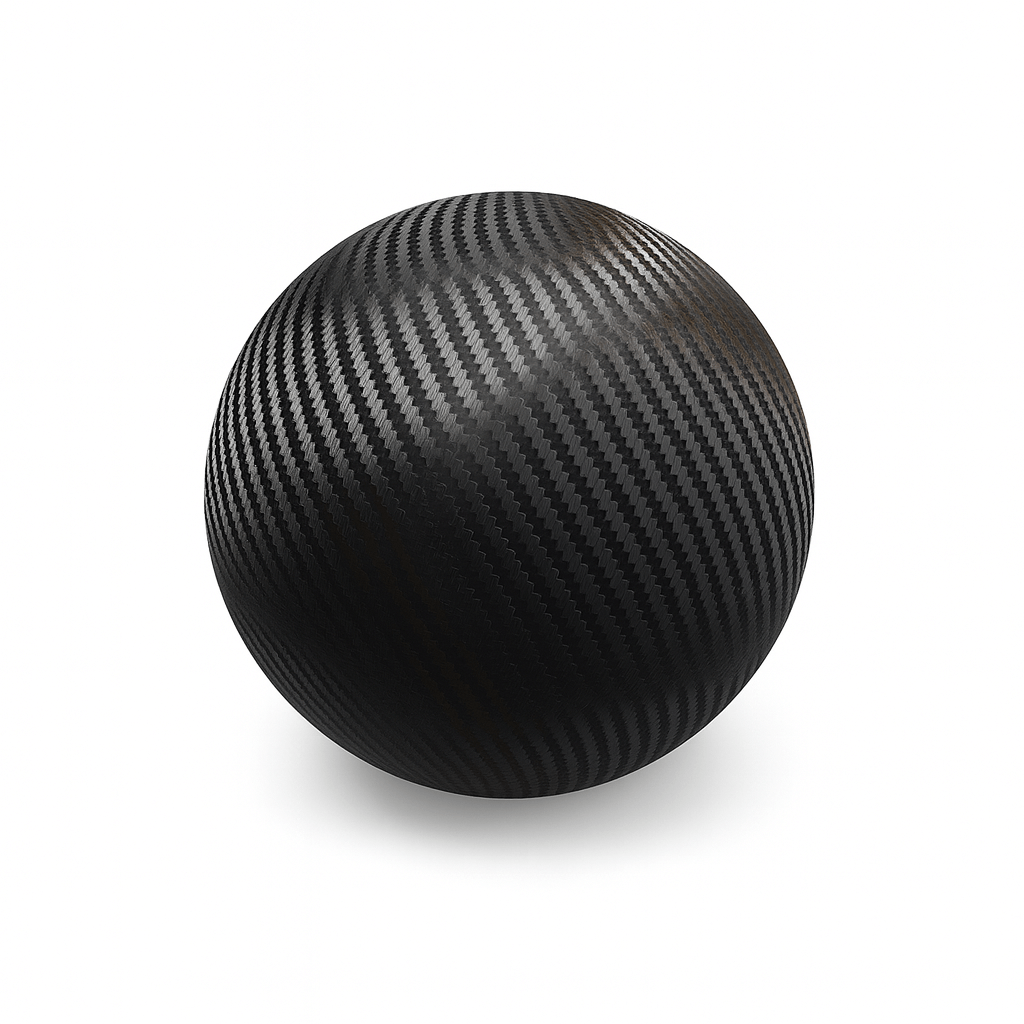
3D carbon fiber wrap typically features an embossed weave pattern. It gives you the recognizable carbon look with a light texture, but the surface is usually more matte and less reflective.
4D carbon fiber wrap builds on that by adding subtle gloss. The weave appears more defined, and the finish reacts better to light.
5D carbon fiber wrap introduces a deeper, resin-like shine. The surface feels smoother and more refined, closely resembling clear-coated carbon panels.
6D carbon fiber wrap is the most dramatic option. It delivers a high-gloss, almost glass-like finish with enhanced depth that shifts under different lighting angles. It is often chosen for show builds or statement pieces.
Glossy Carbon Fiber Wrap
Glossy carbon fiber wrap emphasizes shine and visual depth. The reflective surface highlights body lines and contours, making it especially popular for hoods, roofs, spoilers, and accent panels. It works well when you want a bold, modern performance look.
Matte Carbon Fiber Wrap
Matte carbon fiber wrap offers a more understated appearance. The woven texture remains visible, but without reflective glare. It is ideal for full-body applications or interior trims where you want a subtle, technical aesthetic without drawing too much attention.
Forged Carbon Wrap
Forged carbon wrap is inspired by real forged carbon composite, which features a random, marbled pattern rather than a uniform weave. The result feels more aggressive and exotic. It is often used for interior accents or custom exterior details where uniqueness matters.
Honeycomb Carbon Wrap
Honeycomb carbon wrap replaces the traditional weave with a hexagonal pattern. It creates a more futuristic and geometric appearance, making it suitable for sport-inspired builds or creative design projects.
Holographic Carbon Wrap
Holographic carbon wrap combines the carbon weave with color-shifting or rainbow-reflective effects. Under sunlight or artificial lighting, the surface produces subtle spectrum highlights. This type is typically chosen for bold customization rather than factory-style refinement.
Carbon Fiber PPF
Carbon fiber PPF combines the carbon look with the protective benefits of paint protection film. Unlike standard vinyl, PPF is thicker and designed primarily for impact resistance. It offers better protection against rock chips, scratches, and road debris while maintaining a carbon-style appearance. This option is ideal for high-impact areas such as front bumpers, hoods, and side skirts where both aesthetics and durability matter.
Factors You Should Consider Before Buying Carbon Fiber Vinyl
Beyond appearance, several technical factors determine how well the film conforms, how long it lasts, and how it protects your vehicle.
Material Type: Cast vs Calendared
Cast vinyl is manufactured through a casting process that results in a thinner, more flexible film. It conforms better to curves, edges, and complex body lines. It also tends to have a longer lifespan and greater dimensional stability, making it ideal for full wraps and professional installations.
Calendared vinyl is produced by rolling and stretching the material into sheets. It is usually thicker and less flexible. While it works well for flat or mildly curved surfaces, it is more prone to shrinkage over time. The main advantage is cost, making it a practical option for small accents or short-term projects.
Thickness and Durability
Most carbon fiber vinyl wraps fall within the 3 to 6 mil thickness range. Thicker films may offer slightly better resistance to minor scratches and surface wear, but flexibility should not be compromised.
Look for films with built-in UV protection to prevent fading and discoloration, especially if the vehicle is frequently parked outdoors. Durability is not just about thickness. Surface coating quality and manufacturing standards also matter.
Adhesive Technology
Vinyl wraps rely on advanced adhesive systems for easier installation and long-term reliability.
Air-release channels allow trapped air to escape during application, reducing bubbles and wrinkles.
Repositionable adhesive gives you flexibility during installation, making alignment easier before applying full pressure.
Strong edge sealing performance is critical for preventing lifting, especially around corners, panel gaps, and high-stress areas.
Heat Resistance
Areas near the engine bay, hood vents, or exhaust components experience higher temperatures. Interior trim pieces exposed to direct sunlight can also heat up significantly. A quality carbon fiber film should maintain adhesion and color stability under elevated temperatures.
Lifespan Expectations
Intense sunlight, extreme heat, freezing winters, and high humidity can all reduce longevity. Under controlled indoor conditions, high-quality carbon fiber vinyl can last up to seven years. For vehicles exposed to regular outdoor driving, 3-4 years is a realistic expectation.
Best Carbon Fiber Wrap Brands in 2026
Choosing the right brand matters because quality varies widely in terms of finish options, longevity, and how the wrap behaves during installation and everyday use. Below are some of the most trusted names in carbon fiber and automotive vinyl films in 2026.
3M
3M remains one of the most respected brands worldwide for vinyl wrap materials. Their products are known for strong air-release adhesive systems, durability against UV and wear, and a wide range of finishes that include textured and deep gloss options. Many professional installers prefer 3M for long-term applications and high-end builds.
Avery Dennison
Avery Dennison’s Supreme Wrapping Film series is celebrated for excellent conformability, easy repositioning, and a broad palette of finishes including gloss, matte, and carbon fiber styles. Its slideable adhesive technology makes it particularly friendly for beginners while still delivering professional-grade results.
Orafol
Orafol is another well-established name in the vinyl wrap industry, offering consistent quality and reliable performance. Their films are often praised for being easy to work with and versatile across vehicle surfaces, including carbon fiber patterns.
KPMF
KPMF stands out for premium finishes and vibrant color options. Their vinyl films are designed for superior conformability and long-lasting performance, making them a popular choice for wraps with visual impact and complexity.
Yeswrap
Yeswrap offers a strong balance of quality and value, with a growing reputation among wrap enthusiasts. Their carbon fiber films are available in various textures and finishes, making them a good alternative for those seeking performance without premium pricing.

How to Choose the Right Carbon Fiber Wrap for Your Vehicle
Choosing a carbon fiber wrap is not only about appearance. It is a balance between realism, durability, ease of installation, and long-term value. Here is how to think through the decision in a practical way.
Texture & Finish
This is where most buyers hesitate. The “D” level generally refers to how realistic and deep the surface looks.
2D or 3D wraps usually have a printed or lightly textured pattern with a more matte appearance. They work well for interior trim or subtle accents but may look flatter under strong sunlight.
4D and 5D options introduce more gloss and sharper weave definition. The surface reacts better to light, creating a more convincing carbon effect.
6D or ultra-gloss wraps offer the deepest shine. They feature a thick, smooth top layer that resembles the clear resin coating found on real carbon panels. These are ideal if you want maximum visual impact.
Material Quality
Cast vinyl is more flexible and handles curves, edges, and heat more effectively. It is less likely to shrink over time and is recommended for bumpers, mirrors, and complex body panels.
Calendared vinyl is thicker and more affordable. It works well on flatter surfaces like roofs or hoods but may struggle on deep curves.
Color & Aesthetics
Classic black carbon remains the most popular choice, but there are now more options.
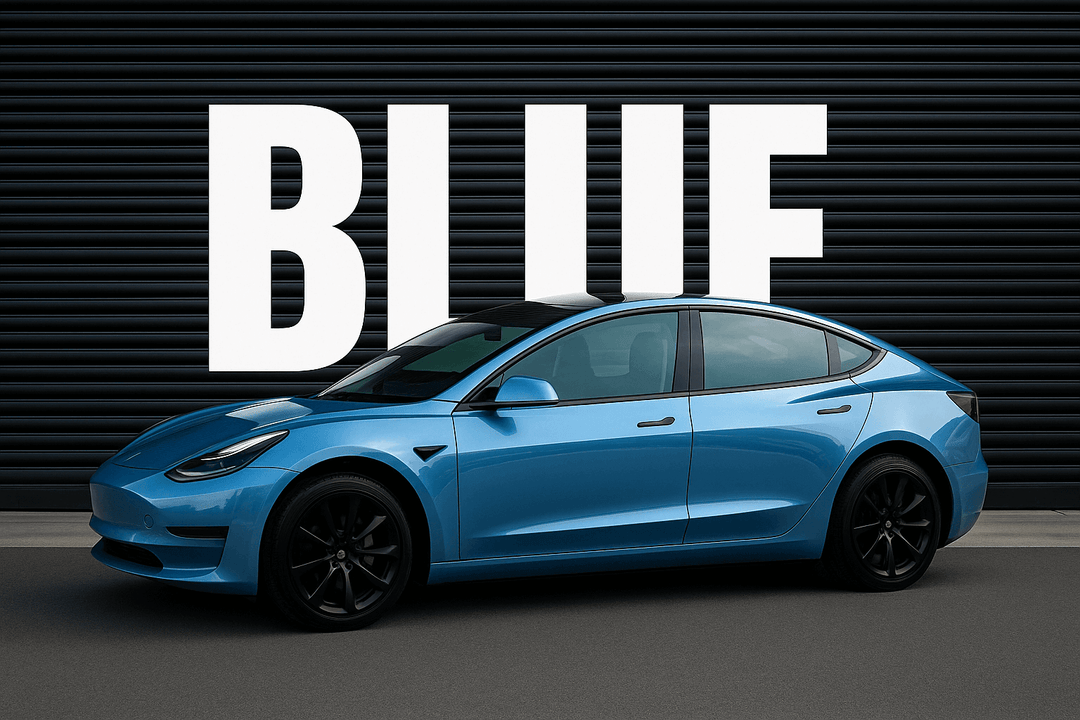
Forged carbon offers a marbled, irregular pattern for a more aggressive look. Colored carbon, such as red or blue, adds personality and stands out more than traditional black.
Budget & Longevity
Look beyond the roll price. Entry-level films may last only 1 to 2 years before fading or cracking. Higher-grade films often last 5 to 7 years and include air-release technology for easier installation.
Brand Reputation
Established brands typically provide more consistent quality and clearer warranty terms. Reliable adhesive performance and predictable finish quality matter more than marketing claims.
Durability & Warranty
Check UV resistance, scratch tolerance, and warranty coverage. A manufacturer-backed warranty usually signals confidence in long-term performance.
Application Areas
Consider where the wrap will be installed. Exterior panels exposed to sun and road debris require higher durability carbon fiber PPF. Interior trim pieces allow more flexibility in finish choice since they face less environmental stress.
Where Can You Apply Carbon Fiber Wrap?
Carbon fiber vinyl film is not limited to one specific part of a vehicle. From exterior body panels to interior trim and even personal gear, it can be applied to almost any smooth, clean surface.
Exterior Applications
Carbon fiber wrap is especially popular on exterior panels because it instantly adds a motorsport-inspired touch.
Hood
Wrapping the hood creates a bold focal point. It gives the impression of a lightweight performance upgrade without replacing the actual panel.
Roof
A carbon fiber roof wrap adds contrast and visual depth, especially on lighter-colored vehicles. It can subtly enhance the car’s profile without overwhelming the design.
Spoiler
Spoilers are natural candidates for carbon finishes. A wrapped spoiler delivers a performance look while keeping the original part intact.
Side Mirrors
Mirror caps are a simple but effective upgrade. They add detail and tie together other carbon accents on the vehicle.
Interior Applications
Carbon fiber wrap can completely change the feel of a cabin.
Dashboard
Applying wrap to dashboard inserts gives the interior a more modern, performance-focused appearance.
Center Console
The center console is a high-visibility area. A carbon finish here creates a refined, cohesive look.
Door Panels
Door trims and accent strips can be wrapped to match the rest of the interior details, creating a factory-inspired result.
Partial vs Full Wrap
A partial wrap focuses on key areas such as the hood, roof, or trim pieces. It is more affordable and allows you to test the look without committing to a full transformation.
A full wrap covers the entire vehicle in carbon fiber style. This creates maximum impact but requires a higher budget and professional installation for best results.
Motorcycles, Bikes, Helmets, Laptops
Carbon fiber wrap is not limited to cars. Motorcycle tanks, fairings, and frames are common applications. Helmets benefit from both the aesthetic upgrade and added surface protection. Even laptops, gaming consoles, and accessories can be wrapped for a sleek, durable finish.
Carbon Fiber Wrap Cost Guide (2026 Pricing Update)
Carbon fiber car wrap prices can vary widely based on material quality, finish type, brand, and whether you install it yourself or hire a professional. Below is an overview of typical costs you can expect in 2026.
Average Price per Roll
Budget Range
Budget carbon fiber wraps are usually made from calendared vinyl. These films often carry a printed pattern with limited texture and shorter expected lifespan. In 2026, entry-level carbon fiber wraps typically range from about $15 to $30 per foot or $150 to $250 per roll, depending on width and finish.
Premium Range
High-quality carbon fiber films, especially cast vinyl from reputable brands, offer better conformability, stronger adhesives, UV resistance, and deeper texture. Premium wraps with 4D, 5D, or 6D finishes generally range from $500 to $800 per roll, with specialty patterns such as forged or holographic carbon sometimes costing more.
Cost by Application
Mirror Caps
Mirror caps are small areas and one of the most cost-effective places to start. The material required is minimal, so the total wrap cost (material only) is often under $30, even with premium film. If installed professionally, expect added labor.
Hood Wrap
Wrapping a hood requires more film and careful application for curves and vents. Material alone for a premium carbon wrap hood project can run $150 to $350, depending on film quality. Professional installation typically adds $150 to $300 or more.
Full Vehicle Wrap
A full carbon fiber vehicle wrap represents the most significant investment. Material costs alone for a full premium wrap usually fall in the $800 to $1,800 range. When you need professional installation, the total project cost in 2026 often lands between $2,500 and $5,000, with top-tier shops charging more based on complexity and location.
Maintenance & Care Tips
A carbon fiber wrap can look sharp for years, but only if it is maintained properly. Good care is not complicated, yet small habits make a noticeable difference in how long the finish stays clean, glossy, and free from damage.
How to Wash Carbon Fiber Wrap
Washing wrapped surfaces is similar to caring for paint, but with a bit more caution.
Avoid harsh chemicals, strong degreasers, or abrasive cleaners. These can dull the surface, weaken the adhesive at the edges, or shorten the film’s lifespan. Automatic car washes with stiff brushes are also not recommended, especially for textured carbon finishes.
Hand washing is preferred. Use a mild automotive shampoo, soft microfiber mitt, and clean water. Gently wash the surface without excessive pressure, then dry with a microfiber towel to prevent water spots. This approach keeps the weave texture looking crisp and prevents premature wear.
How to Extend Lifespan
Environmental exposure plays a major role in longevity. Try to avoid prolonged sun exposure whenever possible. Parking in a garage or shaded area reduces UV stress and helps maintain color depth and gloss.
Using wrap-safe sealants can also help. Specialized vinyl-safe coatings add a thin protective layer that enhances water beading and makes cleaning easier. Just make sure the product is labeled safe for vinyl films, not traditional paint-only formulas.
Can You Wax Carbon Fiber Vinyl?
Yes, but carefully. Traditional waxes that contain abrasive compounds should be avoided, especially on matte or textured carbon wraps. For glossy carbon finishes, you can use a non-abrasive, vinyl-safe wax or synthetic sealant to enhance shine and add protection.
Carbon Fiber Wrap vs. Traditional Paint
Both carbon fiber wrap and traditional paint can transform the look of a vehicle, but they differ in cost, flexibility, maintenance, and long-term impact. Choosing between them depends on your priorities.
Durability and Maintenance
High-quality carbon fiber wraps, especially those made with advanced materials like TPU-based films, offer strong resistance to light scratches, UV exposure, and everyday wear. Some premium films even feature minor self-healing properties under heat. Maintenance is relatively simple, usually limited to gentle washing and occasional vinyl-safe protection products.
Traditional automotive paint can look stunning when done professionally, but it is more vulnerable to rock chips, oxidation, fading, and staining over time. Maintaining a painted surface often requires regular polishing and waxing, particularly in harsh climates or with daily driving.
Cost Differences
A professional paint job can range from several hundred to several thousand dollars depending on prep work, materials, and labor. Custom finishes or specialty effects push the price even higher.
Carbon fiber wrap is generally more budget-friendly. You can wrap specific panels like the hood or roof instead of committing to the entire vehicle, which keeps costs controlled while still delivering a dramatic visual upgrade.
Customization Flexibility
Wrap offers far more flexibility. You can choose from gloss, matte, forged carbon, or high-depth 5D and 6D textures. If your taste changes, you can update the look without major bodywork.
Paint, on the other hand, requires sanding, priming, and repainting to make changes. Once applied, it is a long-term commitment.
Reversibility and Resale Value
Carbon fiber wrap is reversible. When installed properly, it can be removed without harming the factory paint, helping preserve resale value.
Traditional paint is permanent. If the finish fades or a bold customization no longer appeals to buyers, it may negatively affect resale.
Frequently Asked Questions
How long does carbon fiber wrap last?
Lifespan depends on material quality and exposure conditions. High-grade cast vinyl can last 5 to 7 years with proper care, especially in moderate climates. Budget films may last 1 to 3 years before fading or lifting. Vehicles constantly exposed to strong sun, extreme heat, or harsh winters may see shorter durability.
Does carbon fiber wrap damage paint?
When installed and removed correctly, carbon fiber wrap does not damage factory paint. In fact, it can help protect the surface from minor scratches and UV exposure. Problems usually occur only if the paint was already failing or if the wrap is removed improperly without heat.
Is 5D better than 3D carbon fiber wrap?
It depends on your goal. 3D wrap provides a basic textured carbon look at a lower cost. 5D wrap offers deeper gloss and a more realistic resin-like finish. If you want stronger visual impact and more depth under sunlight, 5D is generally the better option. For subtle interior accents, 3D may be sufficient.
Can you wrap an entire car in carbon fiber?
Yes, a full carbon fiber wrap is possible. Many enthusiasts choose this for a dramatic, motorsport-inspired appearance. However, full wraps require more material, higher budget, and professional installation for best results, especially on complex body shapes.
Can I install carbon fiber wrap myself?
Yes, especially for smaller areas like mirror caps, trim pieces, or interior panels. Modern films with air-release adhesive make DIY installation manageable. For full vehicle wraps or complex curves, professional installation is recommended to avoid bubbles, overstretching, or edge lifting.
How do I remove carbon fiber vinyl safely?
Use gentle heat from a heat gun or hair dryer to soften the adhesive. Slowly peel the film back at a consistent angle. If adhesive residue remains, use a vinyl-safe adhesive remover and a microfiber cloth. Avoid sharp tools that could scratch the paint.
Final Verdict: Buying the Best Carbon Fiber Wrap
Choosing the best carbon fiber wrap comes down to three things: realism, reliability, and long-term value. A wrap should not only look convincing under sunlight, it should also install smoothly, resist fading, and hold its edges over time. The right film enhances your vehicle without creating future headaches.
If you want a safe choice that balances quality and cost, Yeswrap stands out as a strong contender in the carbon fiber category. The brand offers a wide range of finishes, from subtle matte textures to deep gloss and forged carbon styles. The weave patterns are sharp and modern, designed to deliver a performance-inspired look without appearing artificial or overly printed.
Yeswrap films are engineered with user-friendly adhesive systems that allow repositioning and help reduce air bubbles during application. That makes them accessible for DIY enthusiasts while still meeting the standards expected by professional installers.
A good carbon fiber wrap should maintain its color depth and surface clarity over years of daily driving. Yeswrap’s higher-grade films are built for long-term use, offering reliable adhesion and resistance to common environmental stress.
Ultimately, the best carbon fiber wrap is one that matches your style, fits your budget, and performs as promised. Whether you are upgrading a hood, refining interior trim, or transforming the entire vehicle, choosing a trusted brand like Yeswrap ensures that your customization feels intentional, premium, and worth the investment.
Related Article:
Carbon Fiber Wrap for Interior
Carbon Fiber Vinyl Car Hood Wrap
Forged Carbon Fiber Vinyl Wrap