

Ceramic Coating for Car Wraps
If you’ve invested in a vinyl wrap, you already know how satisfying it feels to see your car turn heads wherever you go. The color, finish, and texture are exactly how you imagined, and you want to keep it that way for as long as possible. But here’s the big question: should you apply a ceramic coating over your car wrap? Is it a smart upgrade that protects your investment, or just an unnecessary add-on?
Let’s be honest, everyone who loves their vehicle wants one thing above all else—long-lasting shine and protection. From harsh sunlight to road grime, there’s always something trying to dull that perfect finish. Over the years, car owners have turned to different solutions, and ceramic coating has become one of the most talked-about. It’s praised for its ability to create a slick, water-repelling layer that keeps paint surfaces looking brand-new. But when it comes to wrapped cars, the story isn’t quite as simple.

Many car owners wonder if ceramic coating works the same way on vinyl as it does on paint. Can it really extend the life of a wrap? Does it change the texture or appearance? And most importantly, is it worth the cost? Let’s dive in and find out if it’s truly a yay or nay for you.
What is a Vinyl Wrap and What is Ceramic Coating?
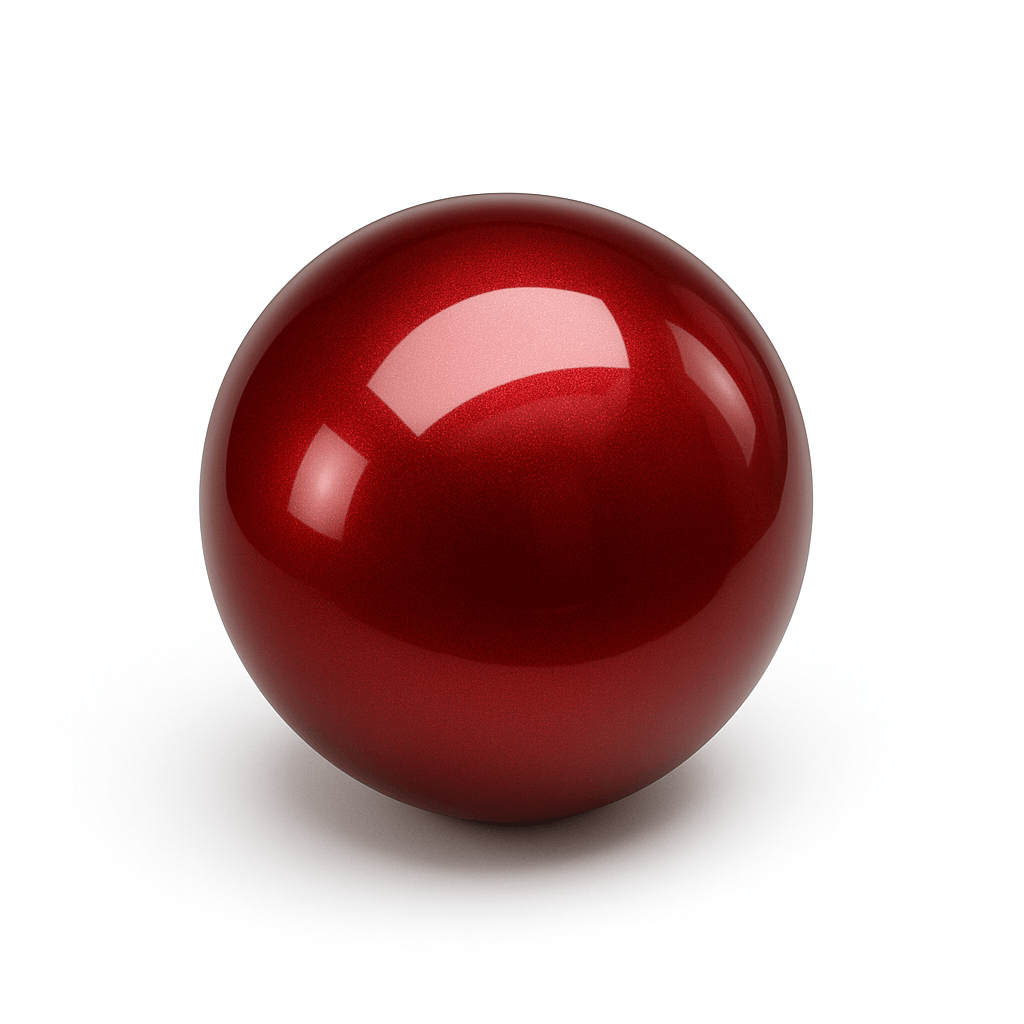
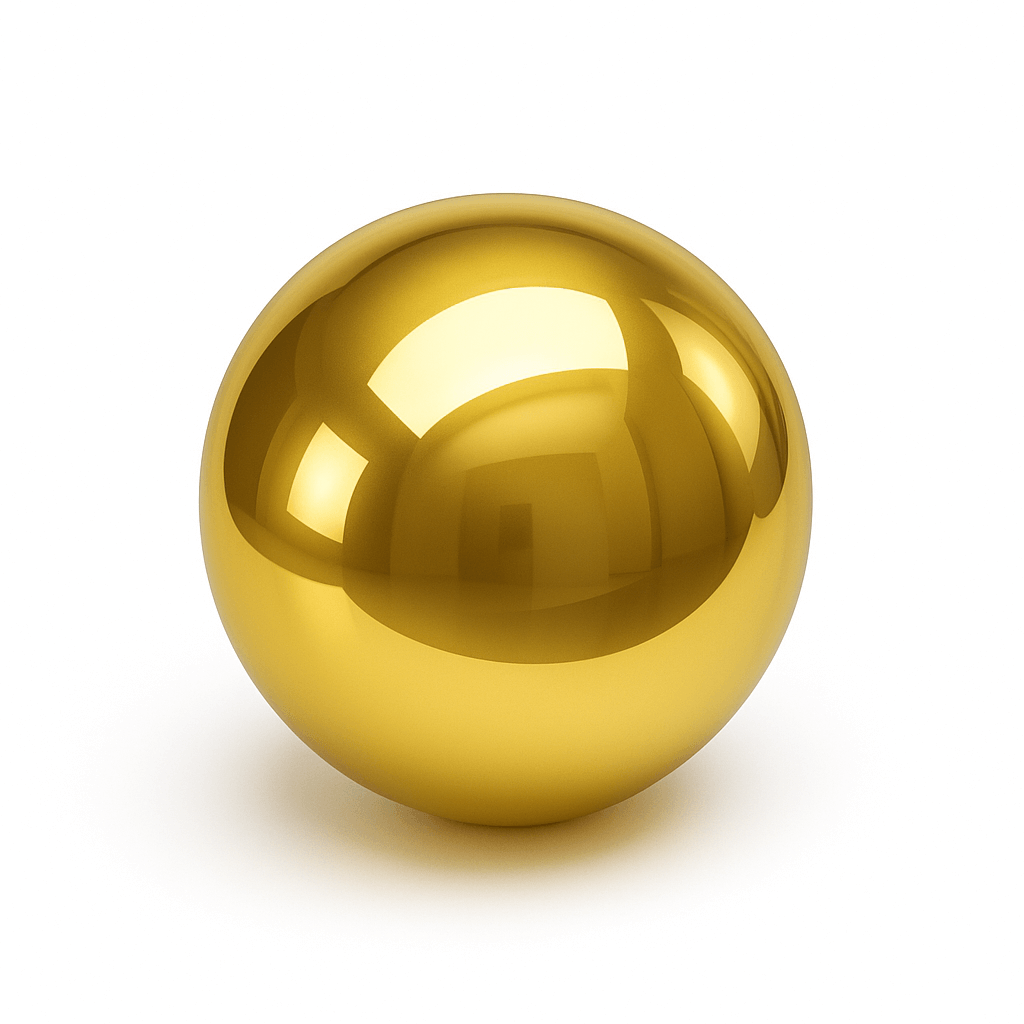
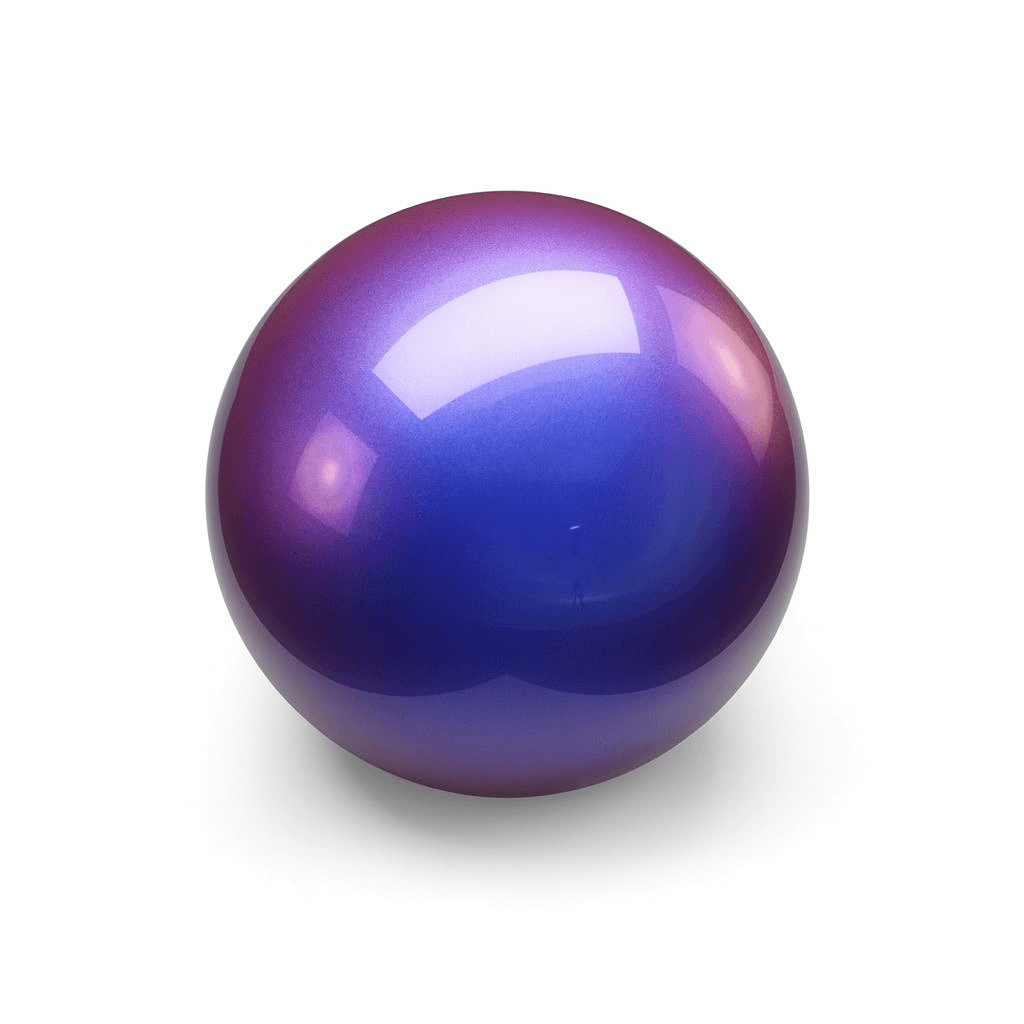
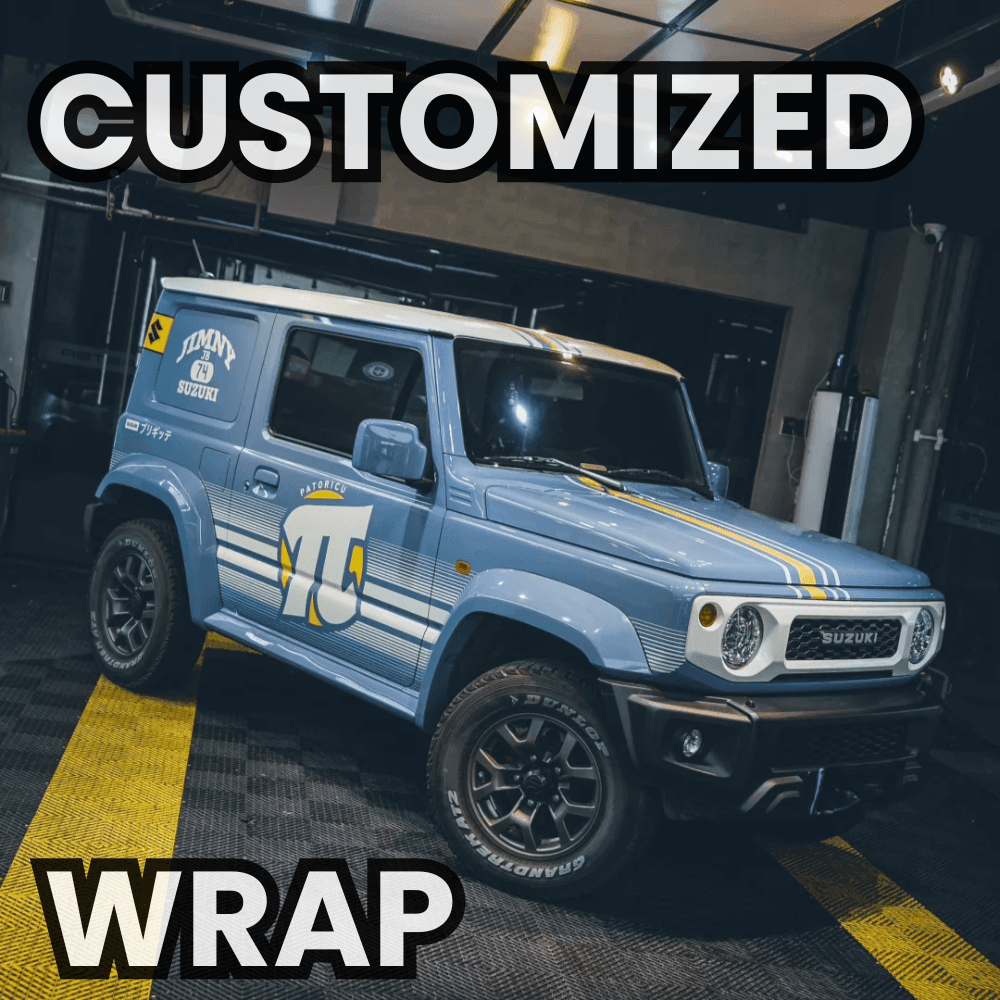
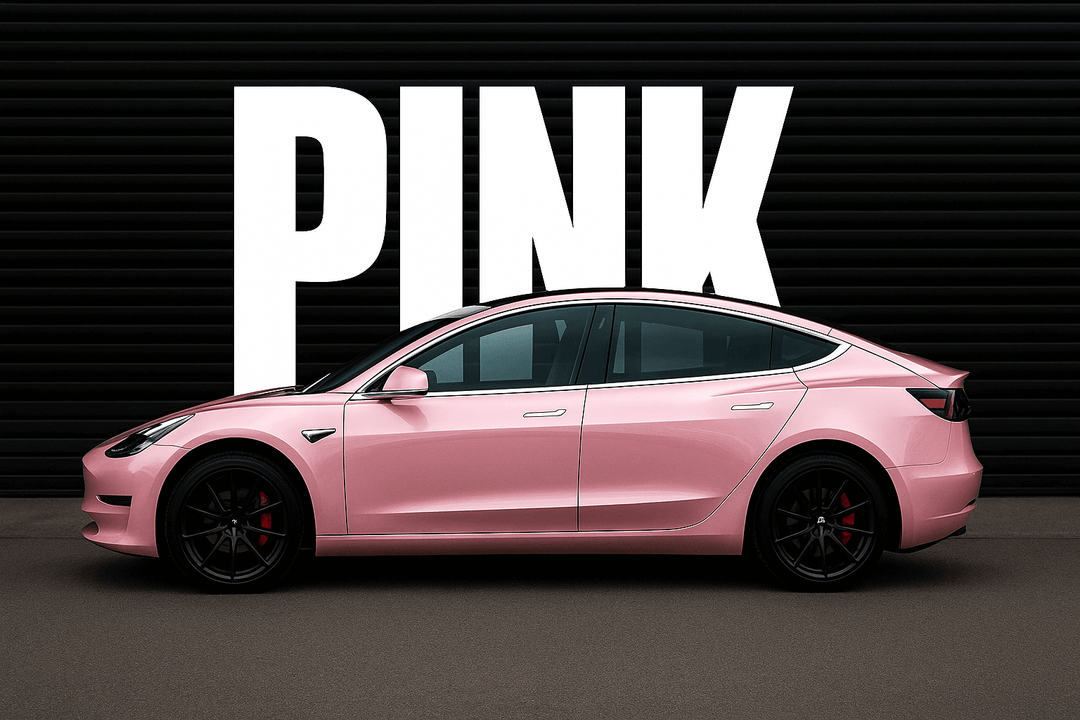
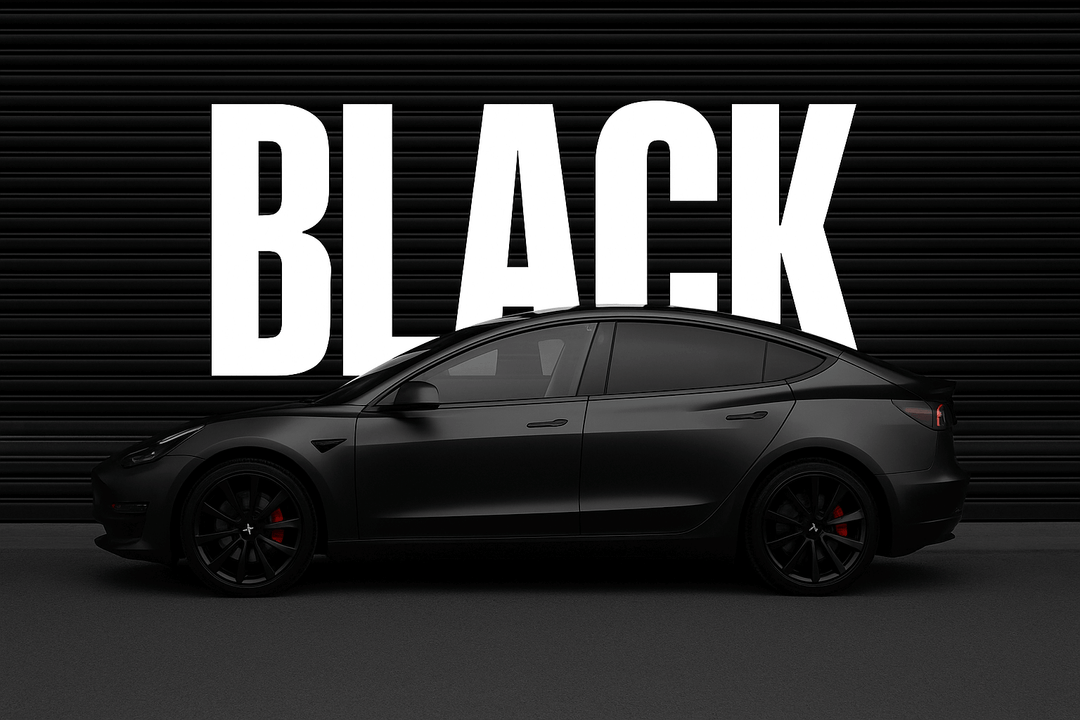
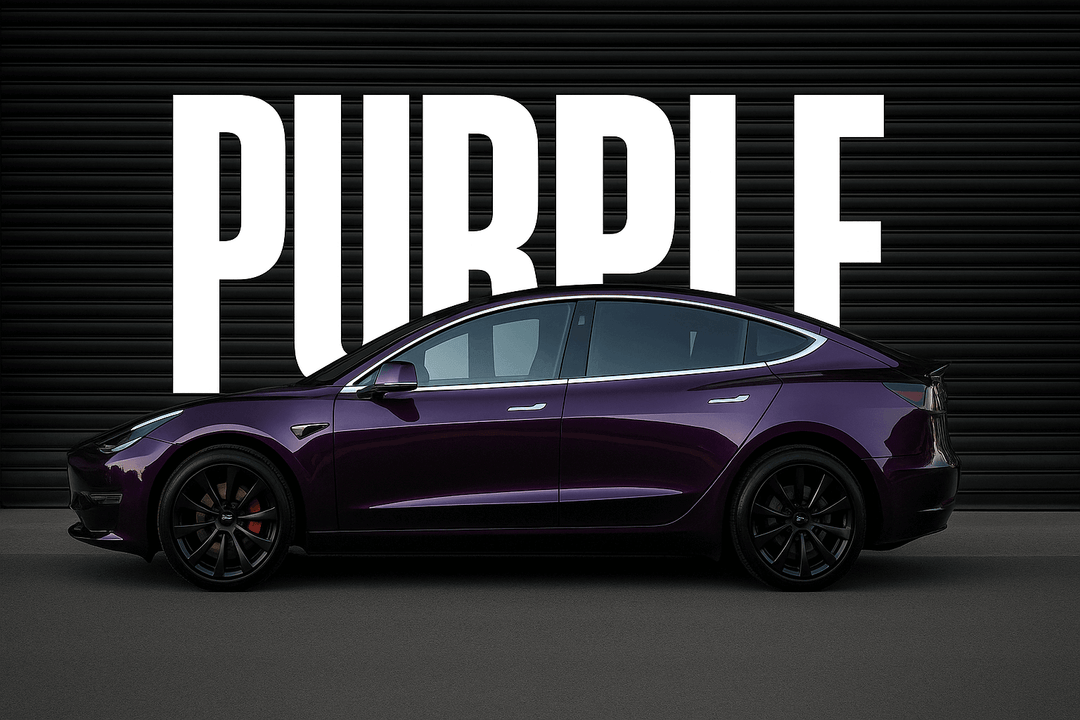
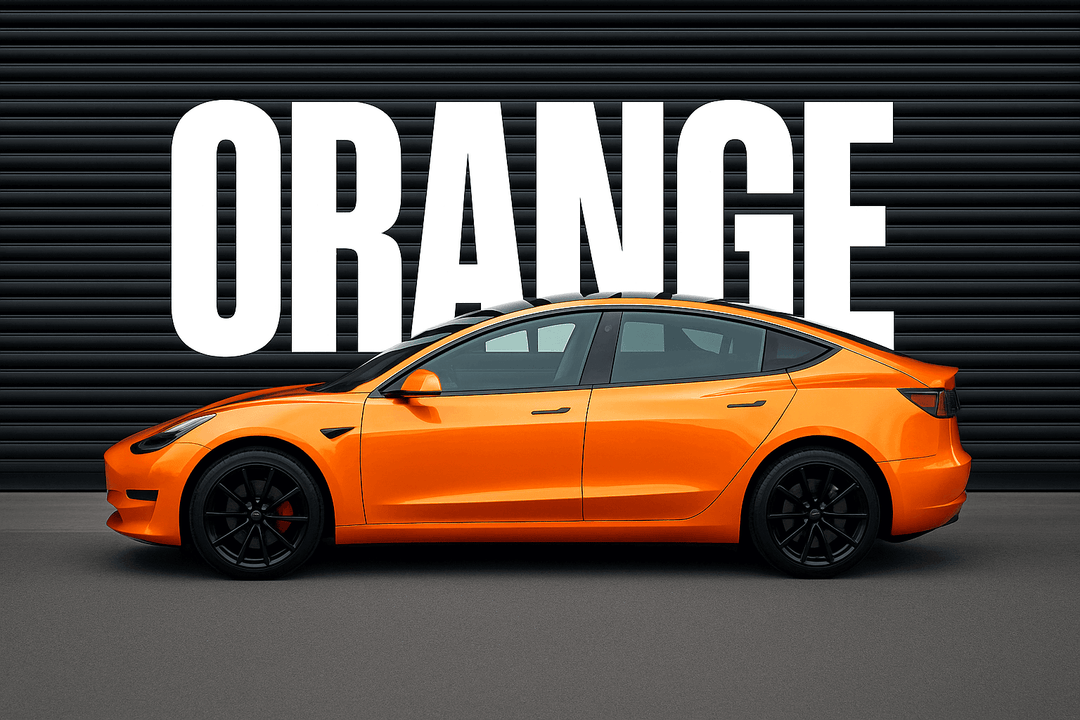
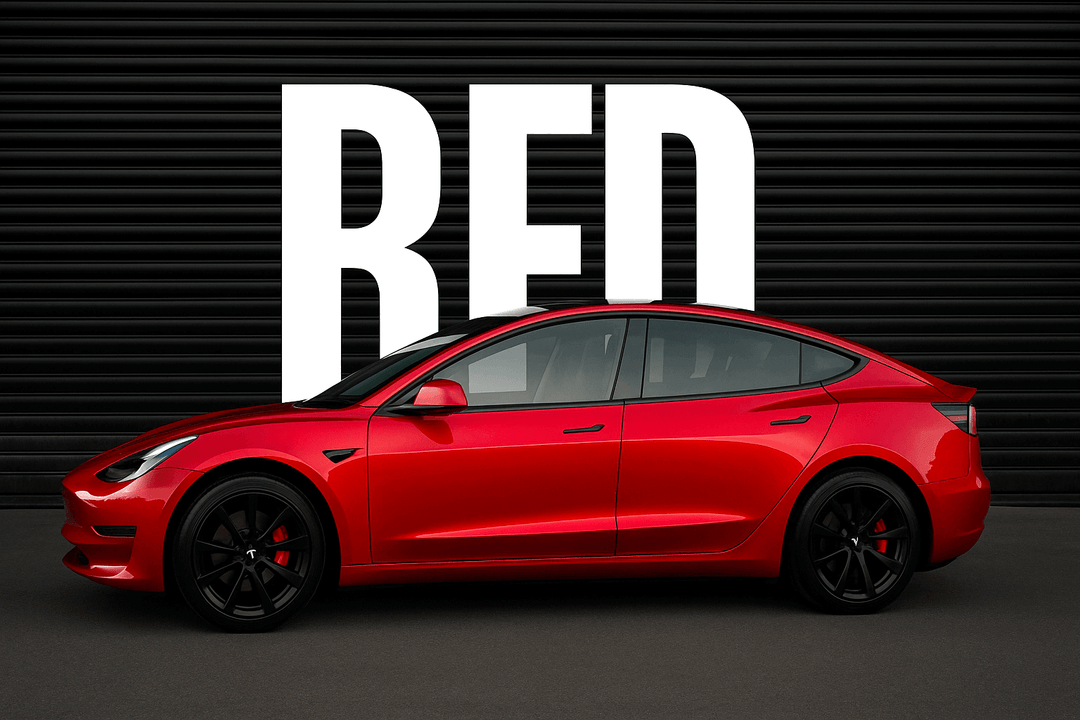
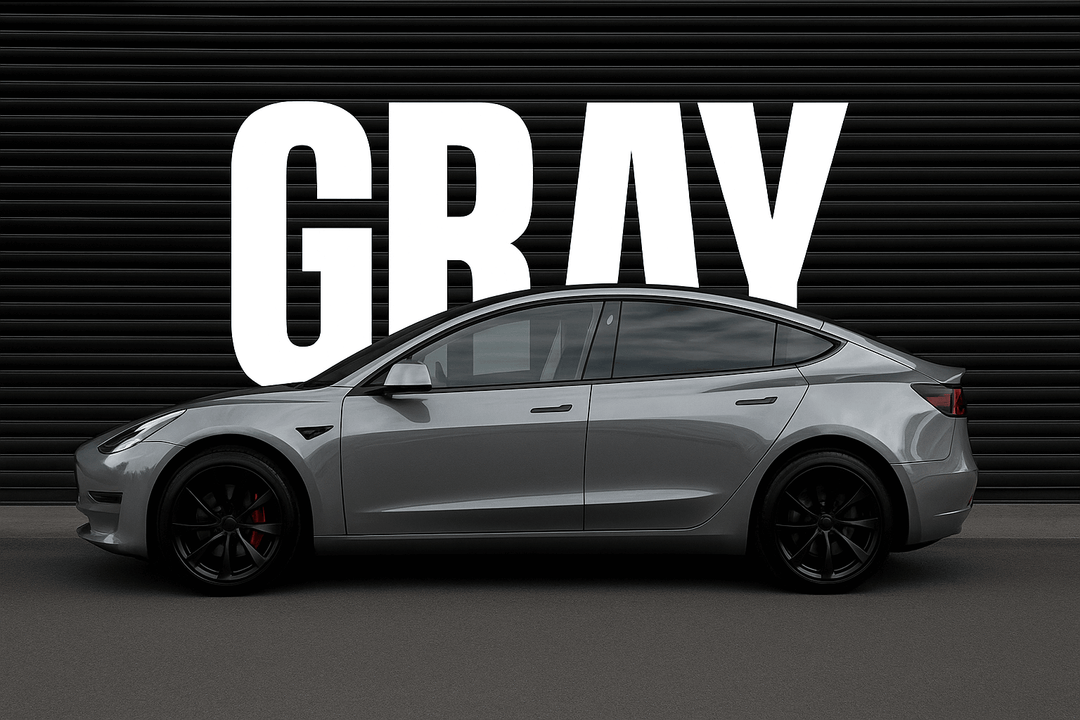
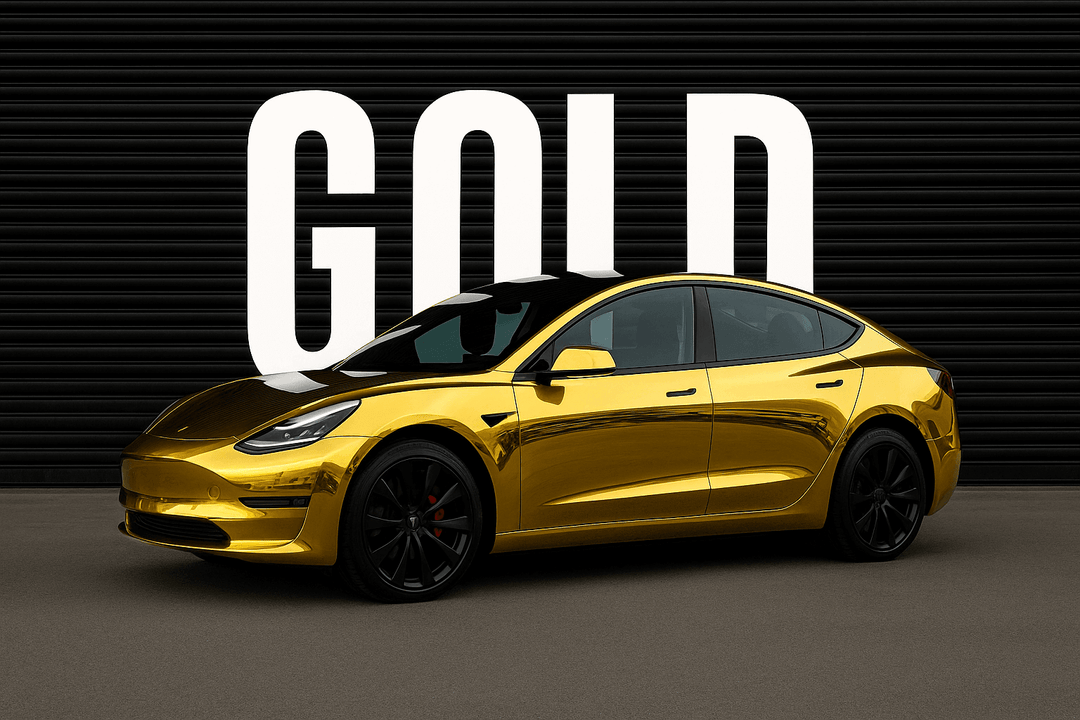
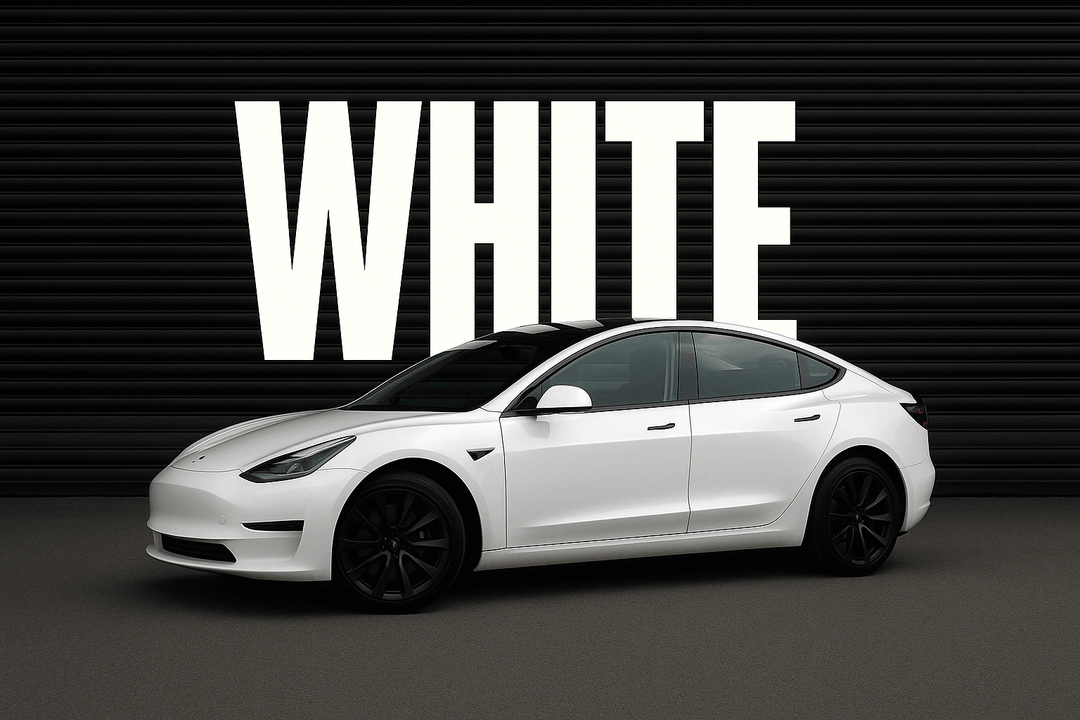
A vinyl wrap is a thin, flexible film that adheres directly to your vehicle’s painted surface. It serves two purposes: visual transformation and protection. Many car enthusiasts choose wraps to change color, finish, or style without the permanence or cost of a new paint job. Whether you go for a glossy red, matte black, chrome silver, or color-shifting design, vinyl film instantly gives your car a custom look. Beyond aesthetics, a wrap adds a protective layer that shields the original paint from UV rays, road debris, and light scratches. When properly installed and maintained, it can help preserve the factory finish underneath.
A ceramic coating is a liquid polymer designed to bond with the surface it’s applied to. Once cured, it forms a durable, transparent layer that enhances shine and adds hydrophobic properties. This means water, dirt, and grime have a harder time sticking to your car, making cleaning much easier. The coating also helps guard against UV damage, oxidation, and chemical stains that can dull the surface over time.
Traditionally, ceramic coatings were used on painted vehicles, but as wraps have grown in popularity, more car owners and detailers have started applying coatings on vinyl films as well. When used correctly, a ceramic coating can complement the protective qualities of a wrap, extending its lifespan and keeping it cleaner for longer. However, because wraps and paints have different surface textures and flexibility, not every ceramic coating is suitable for every type of film.
Can You Ceramic Coat Vinyl Wraps?
Absolutely. Ceramic coating can be safely applied to vinyl wraps, and when done correctly, it can make a noticeable difference in how your car looks and how well it holds up over time. Vinyl wraps have become incredibly popular because they’re an affordable and creative way to change your vehicle’s appearance while adding a layer of protection to the paint underneath. From matte finishes to vibrant metallics, wraps deliver versatility and style that traditional paint jobs can’t match.
Still, even the best vinyl wrap faces daily wear. Sunlight, rain, dirt, and road debris can gradually fade its color or dull its finish. This is where ceramic coating comes into play. It creates a thin, invisible barrier on top of the vinyl that repels water, grime, and contaminants. The result is a surface that stays cleaner for longer and requires less effort to maintain.
Think of ceramic coating as a protective shield that complements your wrap’s existing benefits. It helps preserve the film’s color, reduces the risk of staining, and keeps the texture looking newer for longer. For glossy wraps, ceramic coating enhances shine, giving them a deep, mirror-like finish. For matte or satin finishes, it can subtly enrich the tone without adding unwanted gloss—provided you use a formula made specifically for those textures.
Over time, UV rays and pollution can take a toll on the surface. By adding ceramic coating, you’re giving your wrap an extra layer of defense that helps it stay vibrant, smooth, and easy to clean.
Apply Ceramic Coating on Car Wrap
Applying a ceramic coating to a vinyl wrap is not something to rush through. It’s a precise process that requires patience, preparation, and the right products. If you want flawless results that last, professional installation is often the best route. However, if you’re confident with detailing and want to take the DIY approach, many ceramic coating kits are available for home use. The key is to follow each step carefully so that the coating bonds properly to the vinyl surface.

The first thing to understand is that the process of coating a vinyl wrap differs slightly from coating traditional paint. Vinyl has a softer and more porous surface, which means the preparation stage is critical. Before applying any product, the wrap must be in excellent condition. If there are scratches, peeling edges, or discoloration, those imperfections will be sealed under the coating and could even become more visible.
How to Ceramic Coat a Vinyl Wrap
1. Choose the Right Coating
Not every ceramic coating works for every finish. A product made for glossy paint may not perform well on matte or satin vinyl. Using the wrong formula can alter the surface texture, making a matte wrap appear patchy or shiny. To preserve the wrap’s look, select a coating that specifically states it’s safe for vinyl and matches your finish type. Gloss wraps can handle high-shine coatings, while matte or satin wraps require low-sheen or texture-preserving variants.
2. Inspect and Repair the Surface
Before applying the coating, closely inspect your wrap for dents, scratches, or small debris trapped under the film. Ceramic coating will not hide these flaws—it will seal them in. Address any imperfections beforehand so the surface is as smooth and consistent as possible.
3. Clean and Degrease Thoroughly
A spotless surface is essential. Start with a gentle wash using a pH-neutral soap to remove dirt and dust. After that, apply a vinyl-safe degreaser or surface prep solution to eliminate any residue from wax, oils, or cleaning agents. Even a trace of grease can interfere with the coating’s ability to bond correctly.
4. Apply the Ceramic Coating
Once the surface is fully clean and dry, apply a few drops of the coating onto an applicator pad. Work in small sections, spreading the product in straight lines and overlapping slightly for even coverage. Keep your movements smooth and consistent, ensuring the entire panel is coated without missed spots or heavy buildup. After applying, let the coating cure according to the manufacturer’s instructions. Depending on the product, this may take several hours. Avoid touching or exposing the car to water during this period.
The Cost of Professional Ceramic Coating
While DIY kits are widely available, applying a coating to a vinyl wrap requires precision and experience to achieve a flawless, even finish. Professionals have the right tools, lighting, and controlled environments to ensure the coating bonds properly without streaks, missed spots, or uneven gloss.
The cost of professional ceramic coating typically starts around $1,000 to $1,400, depending on your vehicle’s size, the type of wrap finish, and the overall condition of the surface. For a compact car with minimal prep work, the price usually stays on the lower end. Larger vehicles like SUVs, trucks, or vans often cost more simply because they require more product and time.
If you want full coverage that includes not only the wrapped body panels but also the glass, wheels, and trim surfaces, the total can reach up to $2,000 or more. Most professional packages also include surface preparation, such as deep cleaning, decontamination, and minor correction of light scratches or stains before the coating is applied.
Benefits of Ceramic Coating on Vinyl
Applying ceramic coating to your vinyl wrap does much more than enhance its shine. It transforms how your wrap performs against weather, pollution, and daily wear. If you’ve invested in a high-quality wrap, ceramic coating is like giving it protective armor that keeps it looking new for years.

1. Acts Like Sunscreen for Your Wrap
Constant exposure to sunlight can cause vinyl wraps to fade, crack, or lose their original color depth. Ceramic coating forms a protective barrier that shields the surface from harmful UV rays. Whether you live in a sunny region or frequently drive long distances, the coating helps prevent discoloration and preserves the vibrancy of your wrap.
2. Keeps Water Damage Away
Water may not seem harmful, but repeated exposure from rain, puddles, or car washes can gradually weaken the adhesive underneath a wrap. Ceramic coating solves this problem by creating a hydrophobic layer that repels water. Instead of soaking in, water beads up and slides off easily. This reduces the risk of moisture penetrating the vinyl’s edges and helps the wrap maintain its adhesion and smooth finish.
3. Guards Against Chemical Stains
Modern urban environments expose cars to airborne pollutants, acid rain, and other chemical contaminants. These can leave stains or dull spots on untreated vinyl. A ceramic coating provides a chemical-resistant shield that prevents pollutants and acidic particles from bonding to the surface. This extra layer of protection keeps your wrap looking spotless even in challenging city conditions.
4. Repels Dirt and Everyday Contaminants
A coated wrap doesn’t just look cleaner—it actually stays cleaner. The slick surface prevents dirt, dust, mud, tree sap, bird droppings, and bug splatters from sticking. These contaminants slide off easily during regular washing, which means less time spent cleaning and fewer chances of scratching the wrap during maintenance.
5. Makes Washing Easier
Because ceramic coating repels water and grime, washing your car becomes much simpler. There’s no need for heavy scrubbing or strong detergents that can damage the vinyl. A quick rinse with water and mild soap is often enough to restore that freshly wrapped look. The coating also minimizes swirl marks and micro-scratches caused by traditional cleaning methods.
6. Enhances the Overall Appearance
Ceramic coating doesn’t just protect—it also enhances the visual appeal of your wrap. On glossy wraps, it deepens the shine, making the surface appear smooth and reflective. For advertising vehicles or show cars, this means your graphics stand out and maintain their sharpness for years. For matte wraps, specialized matte-safe coatings preserve the understated finish without unwanted gloss.
7. Cost-Effective Long-Term Protection
While ceramic coating requires an initial investment, it saves you money in the long run. With its durable protection, you’ll spend less on waxing, polishing, or frequent reapplications of cleaning products. The coating reduces maintenance costs and extends the lifespan of your vinyl wrap, helping you get more value from your original installation.
Myths Regarding Ceramic Coating
Ceramic coating has earned a strong reputation in the automotive world, but with its popularity comes plenty of misunderstanding. Many car owners expect it to perform miracles, only to be disappointed when reality doesn’t match the hype. Let’s clear up a few of the most common myths so you know exactly what ceramic coating can—and can’t—do for your vinyl wrap.
1. You Never Have to Wash Your Car Again
One of the biggest misconceptions about ceramic coating is that it eliminates the need for washing altogether. In truth, while the coating does make cleaning much easier, it doesn’t make your vehicle maintenance-free. Dirt, dust, and pollutants can still settle on the surface over time. The difference is that they won’t bond as firmly to the coated wrap, meaning you can wash your car less frequently and with less effort. Regular gentle washing is still important to maintain that flawless finish.
2. It Completely Prevents Water Spots
Ceramic coating creates a hydrophobic surface, which means water beads up and rolls off instead of spreading. However, this doesn’t mean your car will be free from water spots. When water evaporates, it leaves behind minerals and impurities that can dry onto the surface, leaving faint marks. These spots are easy to remove, but they still require attention. Using filtered water or a quick-dry method after washing can help minimize spotting.
3. It Makes the Vehicle Scratch-Proof
Another widespread myth is that ceramic coating turns your car into a scratch-resistant fortress. While the coating adds a level of hardness and helps reduce micro-scratches from washing or dusting, it cannot make your vinyl wrap completely scratch-proof. Sharp objects, rock chips, or abrasive contact can still cause damage. The coating’s purpose is to provide an additional line of defense—not an impenetrable shield.
Frequently Asked Questions
Can I apply ceramic coating myself on a wrap?
Yes, you can apply ceramic coating on your own using a DIY kit, but it requires patience, precision, and a controlled environment. The surface must be perfectly clean, free of dust or contaminants, and the coating must be applied evenly. If this is your first time, professional application is highly recommended. Experts have the tools and experience to ensure even coverage and a smooth, long-lasting finish.
Will ceramic coating damage my wrap?
No, ceramic coating will not damage your vinyl wrap when the correct product is used. In fact, it enhances protection and durability. The key is to choose a coating that’s formulated for vinyl surfaces. Using a coating meant for painted finishes could alter the wrap’s texture or appearance, especially on matte or satin finishes. Always check compatibility before application.
Does ceramic coating make my wrap glossier?
It depends on your wrap’s finish. On glossy wraps, ceramic coating enhances depth and shine, giving the surface a mirror-like appearance. On matte or satin wraps, use a coating designed for low-sheen finishes to maintain the subtle texture. The right product will preserve your wrap’s original look while adding an extra layer of smoothness and protection.
How long does the ceramic coating last on a wrap?
When properly applied and maintained, ceramic coating can last anywhere from two to five years. The lifespan depends on factors like product quality, environmental exposure, and washing habits. Regular maintenance using pH-neutral soaps and soft cloths will help extend its effectiveness and keep your wrap looking fresh for longer.
Is ceramic coating a substitute for paint protection film?
No, ceramic coating and paint protection film (PPF) serve different purposes. Ceramic coating provides chemical, UV, and hydrophobic protection, making cleaning easier and preventing fading or staining. PPF, on the other hand, is a thicker material that physically shields the surface from rock chips, scratches, and impact damage. For maximum protection, many car owners use both a wrap and a paint layer beneath PPF, with ceramic coating on top.
Final Thoughts: Yay or Nay?
Ceramic coating adds a layer of invisible armor that helps your vehicle resist UV damage, repel dirt and water, and maintain its vibrant color for years. The coating also makes cleaning far easier, saving you time and effort in the long run while extending the lifespan of your wrap, making it one of the most practical upgrades you can choose.
However, if you’re on a budget, only plan to keep the wrap short-term, or don’t mind a bit more maintenance, it might be a nay—at least for now. Your wrap will still protect your paint and look great with regular care.
Related Articles:
Paint Protection Film vs Ceramic Coating


Leave a comment